What Thickens Chicken Curry? 7 Simple Methods for Perfect Texture
Curry Texture & Thickener Selector
Select your goal or the ingredient you have on hand to get instant instructions.
Choose a Method:
Fried Onions
The FoundationYogurt
Tangy & DenseCashew Paste
Velvety & RichCornstarch
Quick FixReduction
No IngredientsThere is nothing worse than serving a dinner where the chicken curry looks like soup. You spent an hour chopping onions, grinding spices, and simmering meat, only to end up with a watery mess that slides right off the rice. It happens to everyone, even experienced cooks. But getting that rich, clinging texture isn't magic. It is science, specifically the manipulation of starches, fats, and proteins.
If you have ever wondered what thickens chicken curry, the answer usually lies in one of three areas: how you cooked your aromatics, what dairy or legumes you added, or whether you used a specific starch slurry at the end. In this guide, we will break down exactly how each method works so you can fix a runny curry on the fly or prevent it from happening in the first place.
The Foundation: Onions and Tomatoes
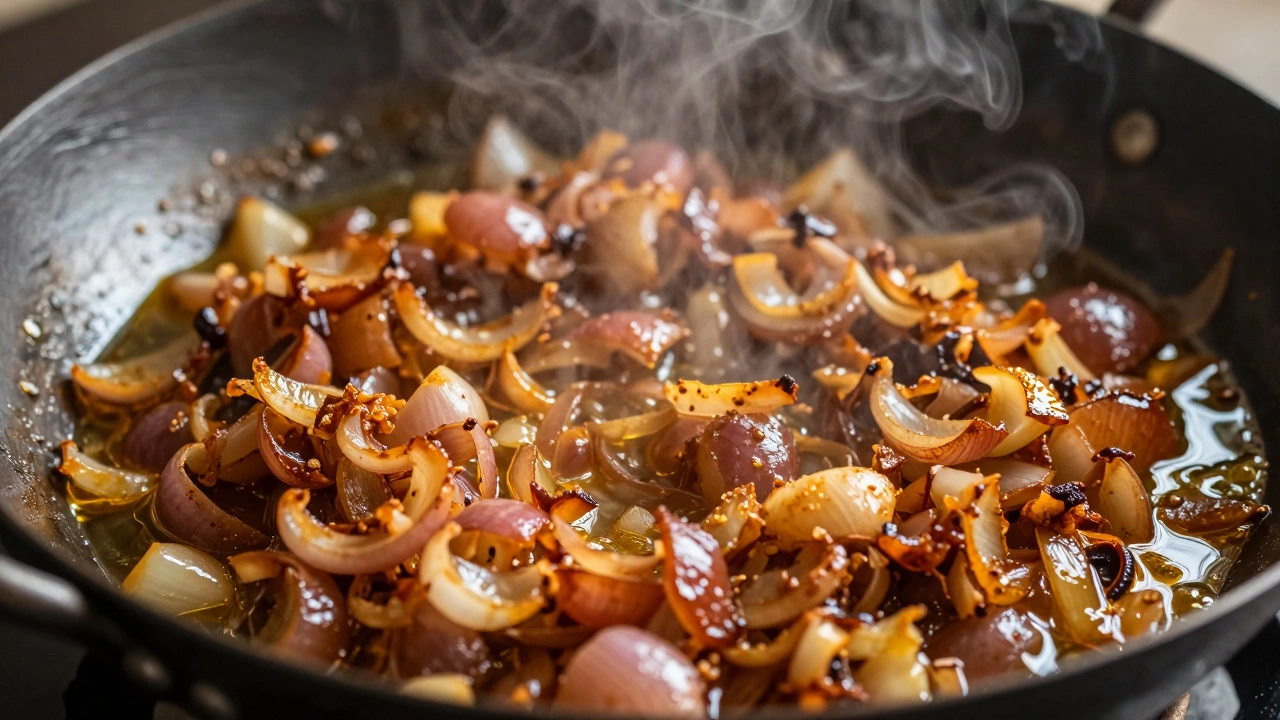
Most home cooks skip the most important thickening step because they are in a hurry. That step is frying the onions until they are deep brown. When you sauté onions, you are not just adding flavor; you are caramelizing their natural sugars and breaking down their cellular structure. This creates a sticky, jam-like base known as bhunji (in Hindi) or onion masala paste. This paste acts as the primary body for your curry.
If your onions are pale yellow or translucent, your curry will likely be thin. To get a thick gravy without any extra ingredients, cook your diced onions over medium heat for 15 to 20 minutes until they turn a dark mahogany color. Add your tomatoes next and cook them until the oil separates from the mixture. This separation indicates that the water content has evaporated and the solids have concentrated. This single technique can add enough viscosity to hold a light chicken curry together without needing flour or cornstarch.
Dairy Power: Cream and Yogurt
In North Indian cuisine, dairy is a standard thickening agent. Heavy cream (also called malai or fresh cream in India) adds fat and protein, which coats the tongue and gives the sauce a luxurious mouthfeel. However, cream alone does not "thicken" in the structural sense like starch does; it enriches. For actual thickening power, look to yogurt.
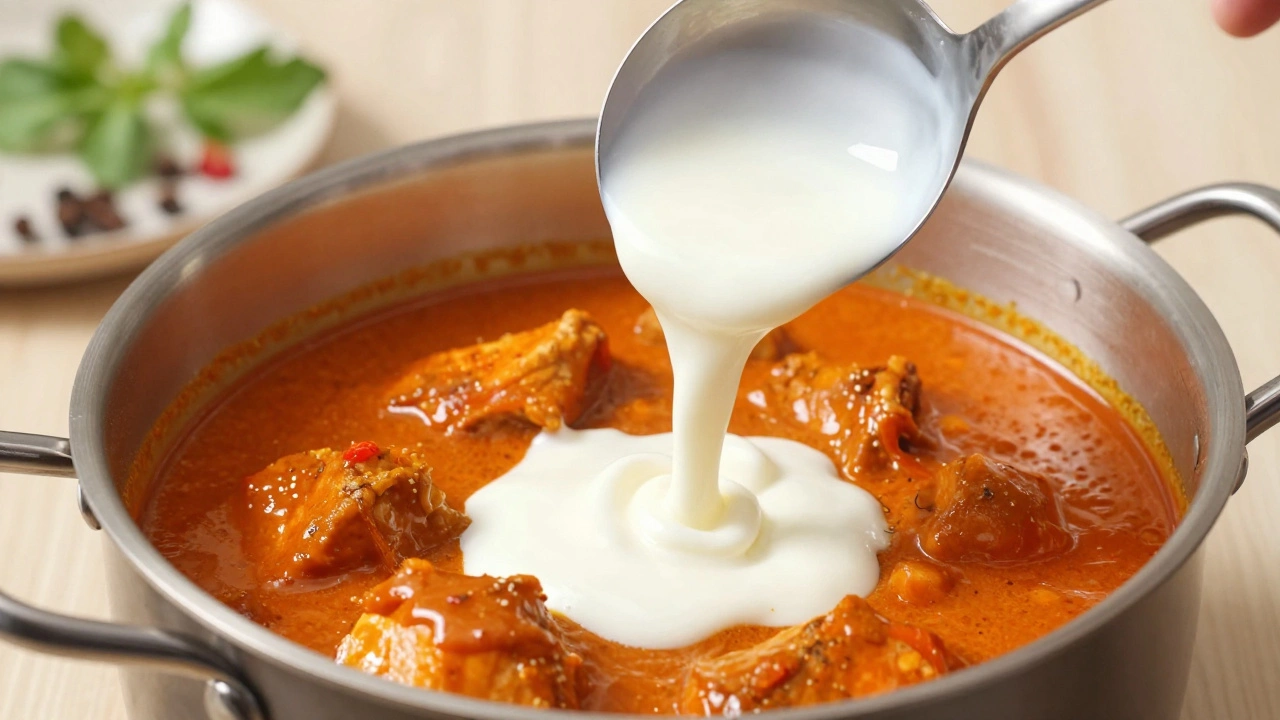
Plain yogurt contains casein proteins and lactic acid. When heated gently, these proteins coagulate slightly, adding body to the sauce. The trick is to whisk the yogurt thoroughly before adding it to hot liquid to prevent curdling. If you add cold yogurt directly to boiling curry, it will split into white chunks and watery liquid, ruining the texture. Instead, temper the yogurt by mixing it with a ladle of hot curry first, then stir it back into the pot. For an even thicker result, use Greek yogurt or drain regular yogurt through a cheesecloth for an hour to remove excess whey. This concentrated yogurt acts almost like a soft cheese, significantly increasing density.
Legume Paste: The Secret Weapon
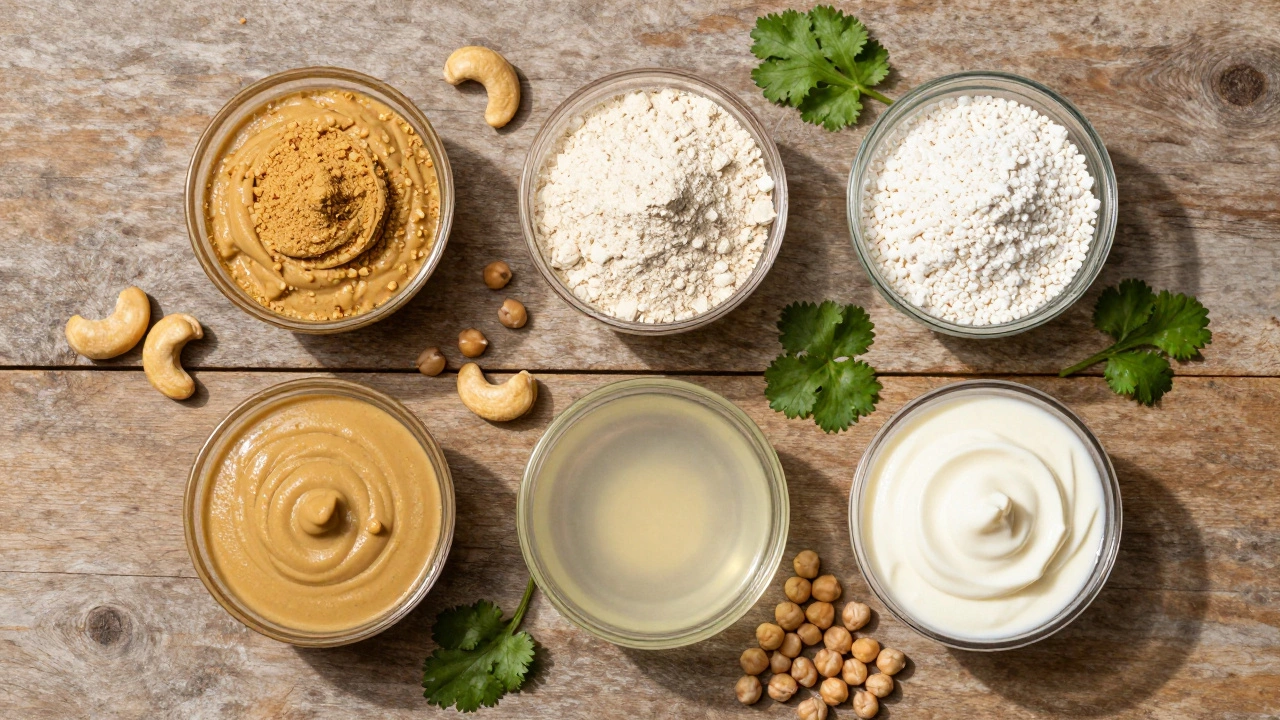
If you want a curry that feels hearty and traditional, try using ground legumes. This is a classic technique in South Indian and some North Indian recipes. Chickpea flour (besan) or ground cashews are excellent natural thickeners.
Here is how it works: soak two tablespoons of chickpeas or cashews in warm water for 30 minutes, then blend them into a smooth paste. Stir this paste into your simmering curry. As it cooks, the starches in the chickpeas or the oils and proteins in the cashews emulsify with the broth, creating a velvety, opaque gravy. Cashew paste is particularly popular in restaurant-style Butter Chicken or Korma because it adds sweetness and richness alongside thickness. Chickpea flour is more neutral and works well in spicier dishes like Chana Masala-style chicken curries. This method adds nutritional value while solving the texture problem.
Starch Slurries: Cornstarch and Flour
Sometimes you need a quick fix. If your curry is already cooked and still too watery, a starch slurry is your best bet. Cornstarch is the most common thickener in Western kitchens, but all-purpose flour works too.
To use cornstarch, mix one tablespoon of powder with two tablespoons of cold water until completely dissolved. Never add dry powder directly to hot liquid, or it will form lumps that are impossible to break apart. Pour the slurry into the simmering curry and stir constantly. The mixture will thicken within 60 seconds. Note that cornstarch creates a glossy, clear finish, which might look slightly different from traditional matte Indian gravies. Also, avoid boiling the curry vigorously after adding cornstarch, as high heat can break down the starch bonds and thin the sauce again.
If you prefer all-purpose flour, make a roux by frying the flour in a little butter or oil for a minute before adding it to the curry. This removes the raw flour taste and results in a more rustic, opaque texture. Flour requires longer cooking time to thicken fully compared to cornstarch.
Reduction: The Patience Method
The simplest way to thicken any sauce is to remove water. If you don't have extra ingredients, just turn up the heat and let the curry simmer uncovered. Water evaporates, leaving behind the concentrated flavors and solids. This method intensifies the saltiness and spice levels, so taste frequently. Reduction works best when you have built a good onion-tomato base. If your curry is mostly water and chicken stock, reduction will eventually leave you with dry chicken and very little sauce. Use this method in combination with other techniques for the best results.
Comparison of Thickening Methods
| Method | Texture Result | Flavor Impact | Best For |
|---|---|---|---|
| Fried Onions | Sticky, jammy | Sweet, savory depth | All curries, foundational |
| Cashew Paste | Velvety, creamy | Nutty, sweet | Korma, Butter Chicken |
| Yogurt | Tangy, dense | Sour, acidic | Butter Chicken, Tikka Masala |
| Cornstarch Slurry | Glossy, gel-like | Neutral | Quick fixes, vegetarian curries |
| Chickpea Flour | Matte, hearty | Earthy, nutty | Rustic, spicy curries |
Troubleshooting Your Curry
If your curry broke or separated, it is often due to temperature shock. Adding cold yogurt or cream to boiling liquid causes the proteins to curdle instantly. Always temper dairy products. If your curry is too thick, simply add hot water or stock a splash at a time. If it is too thin, choose a thickener based on the flavor profile you want. Want richness? Go with cashews or cream. Want tang? Use yogurt. Need speed? Use cornstarch. Understanding these options turns a kitchen disaster into a learning moment.
Can I use breadcrumbs to thicken chicken curry?
Yes, you can. Breadcrumbs act similarly to flour. Mix them with a little water to form a paste and stir into the curry. However, they may alter the texture to be slightly grainier and absorb a significant amount of liquid, so add them gradually. This is more common in British-Indian fusion dishes than traditional Indian cooking.
Why did my yogurt split in the curry?
Yogurt splits when exposed to high heat too quickly or when the pH balance is off. To prevent this, ensure your yogurt is at room temperature, whisk it until smooth, and temper it by mixing a small amount of hot curry into the yogurt before adding it back to the pot. Keep the curry at a gentle simmer, not a rolling boil, when adding dairy.
Does chicken release collagen that thickens curry?
Yes, if you use bone-in, skin-on chicken thighs or legs. Collagen breaks down into gelatin during slow cooking, which naturally thickens the broth. Boneless breast meat releases very little gelatin, resulting in a thinner sauce unless other thickeners are added.
How much cornstarch do I need for one cup of curry?
For one cup of liquid, start with one teaspoon of cornstarch mixed with two teaspoons of cold water. Stir it in and let it simmer for one minute. If it needs to be thicker, add another half-teaspoon incrementally. Too much cornstarch can make the curry gummy.
Can I thicken curry overnight?
Curries often taste better the next day as flavors meld, but they rarely thicken significantly overnight unless refrigerated. Cold temperatures cause fats to solidify, which might make the top layer look thick. Reheating will melt the fat. To truly thicken overnight, reduce the sauce more before storing or add a starch-based thickener before refrigerating.