What Is the Traditional Sweet of India? A Guide to India's Iconic Desserts
Find Your Perfect Indian Sweet
Sweet Name
RegionDescription goes here.
Ingredient
Texture
There is no single answer when you ask what the traditional sweet of India is. India is a land of staggering diversity, and its dessert landscape reflects that perfectly. From the snowy white Gulab Jamun, which is deep-fried milk solids soaked in rose-flavored sugar syrup found in every corner shop to the delicate, saffron-infused Kheer, which is a creamy rice pudding cooked with cardamom and nuts served at weddings, the options are endless. If you are looking for one definitive "national" sweet, you won't find it because taste varies wildly by region, season, and occasion.
However, if we look at popularity, cultural significance, and recognition both within India and globally, a few contenders rise to the top. This guide breaks down the most iconic traditional sweets, explaining why they matter, how they are made, and which ones you should try first.
The Undisputed King: Gulab Jamun
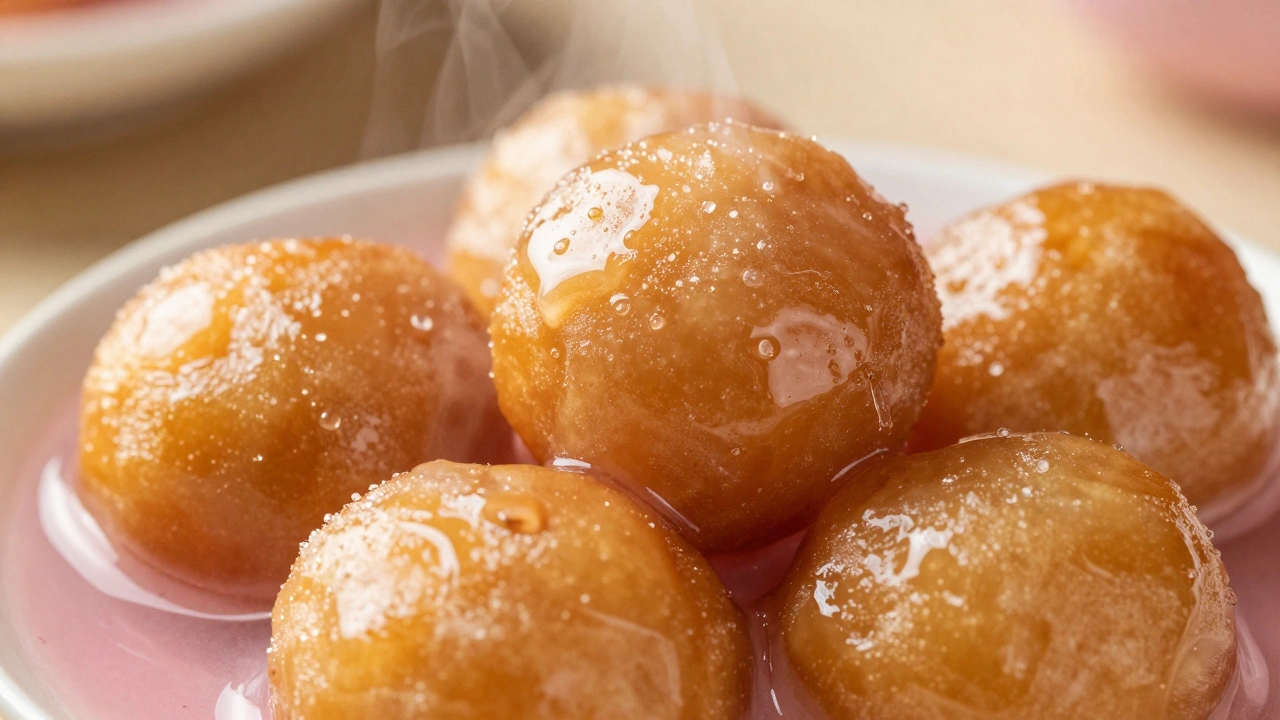
If there is one sweet that acts as a shorthand for Indian desserts worldwide, it is Gulab Jamun. You cannot walk into a restaurant or a household in India without encountering these golden-brown spheres. They are soft, spongy, and incredibly rich.
The magic lies in the preparation. The dough is made from Khoya, which is milk reduced to a thick, solid consistency (or sometimes dry milk powder for home cooks) mixed with flour and a pinch of baking soda. The mixture is kneaded gently to avoid lumps, shaped into small balls, and deep-fried on low heat until they turn a uniform golden color. The frying process is critical; if the heat is too high, the outside burns while the inside remains raw. Once fried, they are immediately plunged into warm sugar syrup flavored with rose water, cardamom, and sometimes saffron.
Gulab Jamun represents comfort food at its finest. It is the go-to treat for birthdays, festivals like Diwali, and even casual afternoon tea. Its universal appeal across North, South, East, and West India makes it the strongest candidate for the title of "most traditional sweet."
The Royal Favorite: Rasgulla
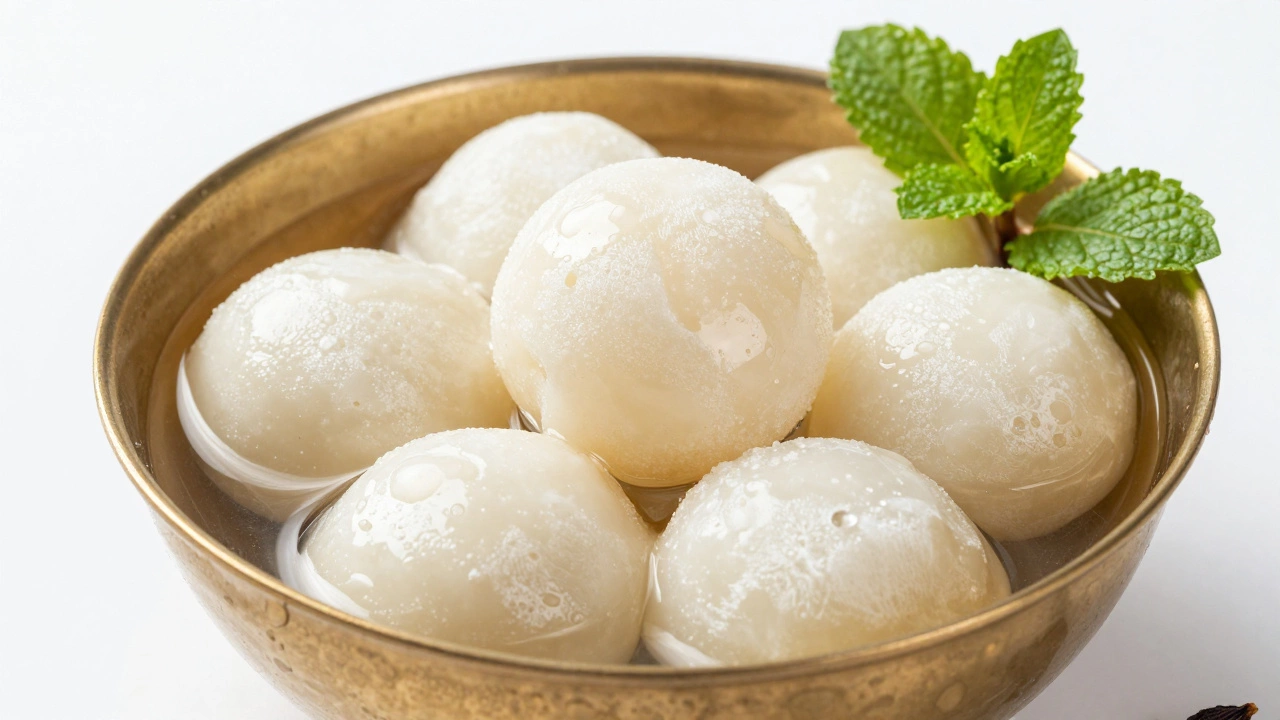
While Gulab Jamun dominates the global stage, Rasgulla, which is spongy cottage cheese balls soaked in light sugar syrup holds a special place in the hearts of Indians, particularly in Eastern states like West Bengal and Odisha. There is an ongoing debate about whether Rasgulla originated in Bengal or Odisha, but regardless of geography, it is a masterpiece of dairy craftsmanship.
Rasgulla starts with Chenna, which is freshly curdled cottage cheese. The chenna is washed repeatedly to remove all acidity, then kneaded until it becomes smooth and elastic. This kneading process is what gives Rasgulla its signature spongy texture that expands when boiled. Small balls are formed and gently simmered in sugar syrup. Unlike Gulab Jamun, Rasgulla is not fried. It is lighter, less caloric, and has a refreshing, melt-in-the-mouth quality.
In many parts of India, especially during summer, Rasgulla is preferred over heavier, fried sweets. It is often served chilled, making it a perfect palate cleanser after a spicy meal.
The Festival Essential: Ladoo (Laddu)
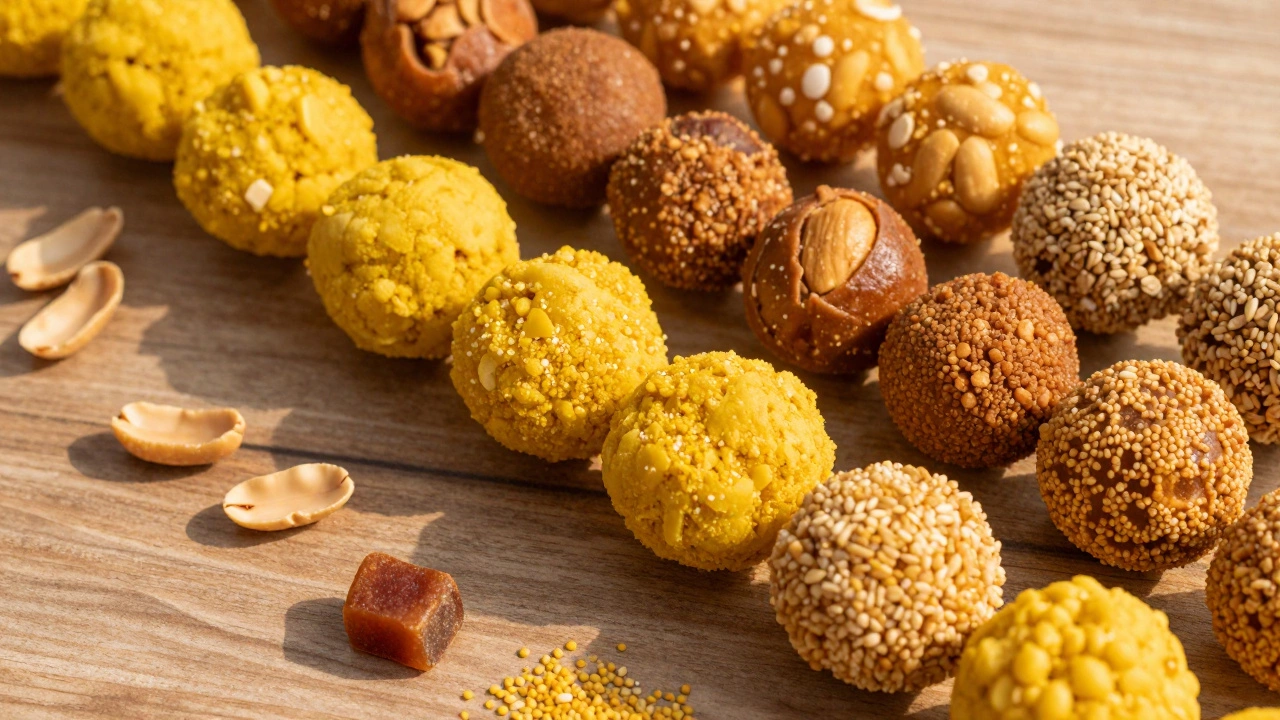
If you want a sweet that travels well, requires no refrigeration, and is central to religious rituals, you need to look at Ladoo. Ladoos come in dozens of varieties, each tied to specific ingredients available in different regions.
- Motichoor Ladoo: Made from tiny boondi (fried droplets of chickpea batter) bound together with sugar syrup and ghee. These are bright yellow, crumbly, and intensely sweet. They are the standard offering during Ganesh Chaturthi and Diwali.
- Peanut Ladoo: Popular in Maharashtra and Gujarat, this version uses crushed peanuts, jaggery (unrefined cane sugar), and cardamom. It is denser and nuttier.
- Sooji (Semolina) Ladoo: A quick-to-make favorite using roasted semolina, ghee, sugar, and dried fruits. It has a granular texture and a rich, buttery flavor.
Ladoos are more than just snacks; they are symbols of prosperity and sweetness in life. During Hindu weddings, guests are often fed ladoos by hand, signifying the sharing of joy. Their longevity and portability make them the traditional sweet of choice for long-distance travel and gift-giving.
The Dairy Delights: Barfi and Jalebi
No discussion of Indian sweets is complete without mentioning Barfi, which is a dense, fudge-like sweet made from condensed milk. Barfi is versatile. You can have plain milk barfi, pistachio barfi, almond barfi, or even dark chocolate barfi. The base involves reducing milk with sugar until it thickens enough to set into a square shape. It is often garnished with edible silver leaf (vark) and chopped nuts. Barfi is firm, rich, and melts slowly on the tongue, offering a concentrated burst of milky sweetness.
On the other end of the texture spectrum is Jalebi, which is crispy, spiral-shaped fried batter soaked in sugar syrup. Jalebi is made from fermented rice and gram flour batter. It is piped in circular patterns into hot oil, creating intricate spirals that become crispy upon frying. When dipped in warm sugar syrup, the outer layer stays crunchy while the center becomes slightly soft. Jalebi is best eaten hot, straight from the fryer. It is a staple breakfast item in many parts of North India, often paired with Dahi Vada, which is lentil dumplings soaked in yogurt.
Regional Variations: Beyond the Mainstream
India’s culinary map is vast, and each region contributes unique sweets that might not be famous globally but are deeply traditional locally.
| Sweet Name | Region | Main Ingredient | Texture/Taste Profile |
|---|---|---|---|
| Mysore Pak | Karnataka (South) | Ghee, Gram Flour, Sugar | Buttery, crumbly, extremely rich |
| Peda | Mathura/Rajasthan (North) | Khoya (Reduced Milk) | Soft, grainy, milky |
| Payasam | Tamil Nadu/Kerala (South) | Milk, Vermicelli/Lentils, Jaggery | Creamy, liquid, spiced |
| Sandesh | West Bengal (East) | Chenna (Cottage Cheese) | Soft, moist, delicate |
Mysore Pak, which is a legendary sweet from Karnataka known for its high ghee content, is often called the "King of Sweets" in South India. It looks like a brick but disintegrates instantly in your mouth due to the high ratio of ghee to flour. It is so rich that you can only eat one piece at a time.
In contrast, Peda, which is a simple round sweet made from khoya and sugar, hails from Mathura, the birthplace of Lord Krishna. Pedas are unadorned, focusing purely on the quality of the milk. They are often offered as prasad (blessed food) in temples.
Why Are Indian Sweets So Sweet?
If you are new to Indian desserts, the level of sweetness might shock you. There are historical and practical reasons for this. Traditionally, sugar was expensive, and sweets were reserved for special occasions. Making them intensely sweet ensured that even a small portion provided significant energy and satisfaction. Additionally, in Ayurveda, sweets are believed to balance the body's energies, and the use of spices like cardamom, saffron, and cloves helps digest the heavy dairy and sugar content.
Modern health trends are changing this landscape. Many households now use jaggery, honey, or stevia instead of refined white sugar. However, the traditional recipes remain largely unchanged in commercial settings and festive preparations.
How to Choose and Store Indian Sweets
Knowing which sweet to buy depends on the occasion and storage conditions.
- For Immediate Consumption: Go for Jalebi or fresh Gulab Jamun. These lose their texture quickly once they cool down or sit out.
- For Gifting: Ladoos and Barfi are ideal. They have a longer shelf life (up to a week at room temperature in winter, less in summer) and look elegant in boxes.
- For Travel: Avoid syrup-based sweets like Gulab Jamun or Rasgulla as they can leak or spoil. Stick to dry sweets like Ladoo, Burfi, or Kaju Katli (cashew fudge).
- Storage Tip: Most Indian sweets contain dairy. In hot weather (above 30°C/86°F), store them in the refrigerator. However, cold temperatures can harden some sweets like Gulab Jamun. Let them come to room temperature before eating for the best texture.
Mini-FAQ: Common Questions About Indian Sweets
Is Gulab Jamun vegetarian?
Yes, traditional Gulab Jamun is strictly vegetarian. It is made from milk solids (khoya or milk powder), flour, and sugar syrup. However, always check if any artificial colors or flavorings used contain non-vegetarian derivatives, though this is rare in authentic recipes.
What is the difference between Rasgulla and Rasmalai?
Both are made from chenna (cottage cheese). Rasgulla consists of small, spongy balls boiled in sugar syrup. Rasmalai consists of larger, softer discs soaked in thickened, sweetened milk (rabri) flavored with cardamom and saffron. Rasmalai is richer and creamier, while Rasgulla is lighter and syrupy.
Can I make Indian sweets without Khoya?
Yes. While khoya provides the authentic texture and flavor, you can substitute it with full-fat milk powder mixed with a little water or cream for sweets like Gulab Jamun and Peda. For Rasgulla and Sandesh, fresh paneer (cottage cheese) is the standard substitute.
Which Indian sweet is best for diabetics?
Traditional Indian sweets are high in sugar and carbohydrates, making them unsuitable for diabetics. However, you can make healthier versions using jaggery (which still has calories but offers minerals), stevia, or monk fruit sweeteners. Dark chocolate-covered nuts or fruit-based desserts like dry fruit laddoos with minimal sugar are better alternatives.
How long do Indian sweets last?
Shelf life varies by ingredient. Syrup-based sweets like Gulab Jamun last 2-3 days at room temperature and up to a week in the fridge. Dry sweets like Ladoo and Barfi can last 1-2 weeks in winter and 3-5 days in summer. Refrigeration extends life but may alter texture.