What is the Textile Capital of the US? A Guide to South Carolina's Hub
Textile Sourcing Decision Simulator
Select your project requirements below to see which global hub best fits your current manufacturing needs, based on historical and modern industry data.
US South (Spartanburg Hub)
Modern EraFocus: Technical Textiles & Speed
India Manufacturing
Volume EraFocus: Scale & Traditional Craft
Strategic Insight:
Select options above to generate a strategic insight regarding the complementary nature of these markets.
You might think New York City holds the crown for fashion, or maybe you picture the historic mills of Massachusetts. But if you ask anyone who actually works in the fabric business where the heart of American textile production beats, they won't point north. They'll point south. Specifically, they'll point to Spartanburg, a city in South Carolina widely recognized as the textile capital of the United States. It’s a title earned not through marketing campaigns, but through over a century of industrial grit, innovation, and sheer volume.
Why does this matter? Because understanding where textiles are made helps you understand supply chains, job markets, and even why your favorite t-shirt costs what it does. The story of the US textile industry isn't just about old factories; it's about how geography, labor laws, and global trade reshaped an entire region. Let’s break down why Spartanburg took the throne and what that means for the industry today.
The Rise of the Piedmont Region
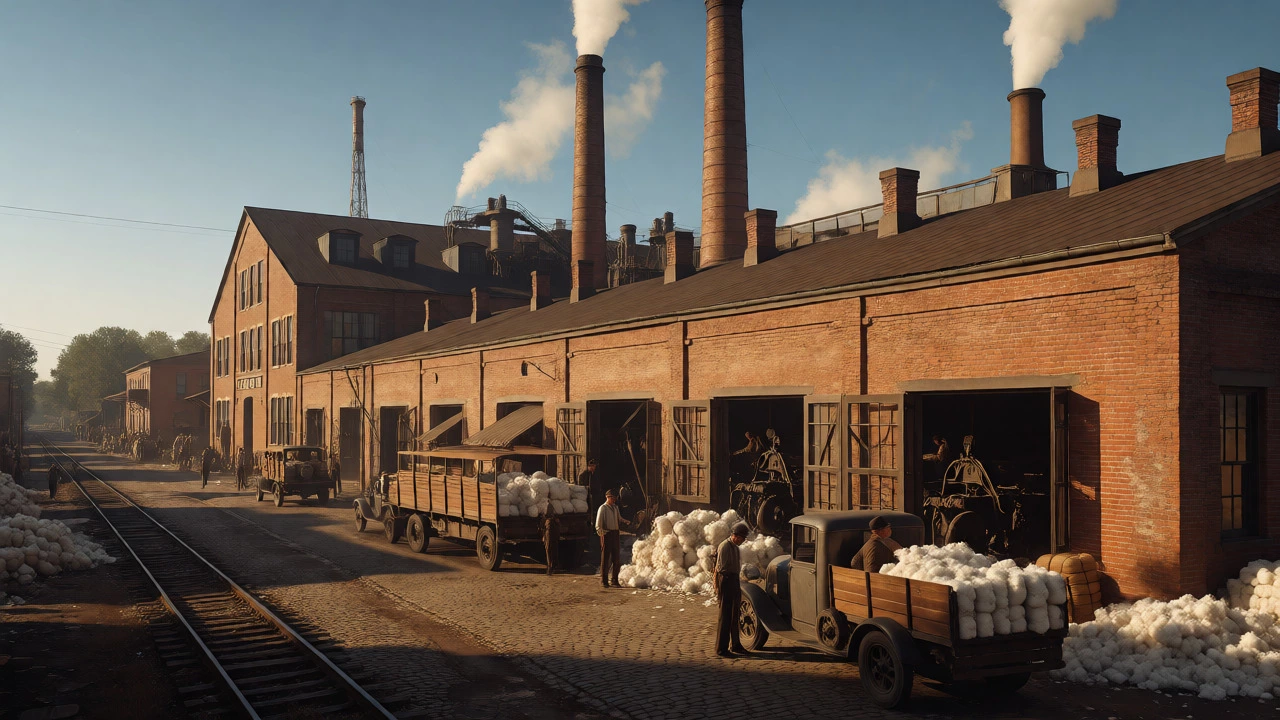
To get why Spartanburg became the hub, you have to look at the map. In the late 19th and early 20th centuries, the American South offered something the North couldn't: cheap labor, abundant raw materials, and a climate that didn't freeze pipes in winter. This area, known as the Piedmont region, sits right at the fall line where the coastal plain meets the Appalachian foothills. This location was perfect for water-powered mills initially, and later for rail access.
South Carolina, along with its neighbors North Carolina and Georgia, became the engine room of American cloth. While New England focused on high-end woolens and silk, the South dominated cotton. By the mid-20th century, the region produced the vast majority of the nation's cotton goods. Spartanburg wasn't just a participant; it was the center of gravity. It hosted the headquarters of major manufacturers and served as a critical logistics node for moving raw cotton from farms to finished garments.
Key Players That Built the Empire
No city becomes a capital without giants backing it up. In Spartanburg, several companies defined the era. You can't talk about this history without mentioning Milliken & Company. Founded in nearby Greenville but with deep roots across the state, Milliken revolutionized the industry by focusing on technical textiles rather than just basic cloth. They proved that textiles could be high-tech, producing everything from carpet fibers to automotive components.
Then there were the legacy names like Dunlap-Hathaway and various subsidiaries of Burlington Industries. These weren't just local shops; they were national powerhouses. Their presence attracted a skilled workforce, created support industries (like machine repair and chemical dyeing), and built infrastructure that still benefits the region today. If you drove through Spartanburg in 1950, the air would have smelled of steam and cotton dust, and the noise of looms would have been constant.
How Globalization Changed the Game
So, if Spartanburg was king, why don't we hear about it as much now? The answer is simple: globalization. Starting in the 1980s and accelerating after the end of the Multi-Fiber Agreement in 2005, textile manufacturing began migrating overseas. Countries like China, Vietnam, and India offered significantly lower labor costs. For a long time, it seemed like the US textile industry was dying.
| Era | Primary Focus | Key Location | Challenges |
|---|---|---|---|
| 1900-1970 | Mass production of cotton goods | Spartanburg, SC | Labor shortages, unionization |
| 1980-2010 | Offshoring and consolidation | Asia (China, India) | Rising import competition |
| 2010-Present | Technical textiles and automation | US South + Mexico | Supply chain volatility |
However, the story didn't end with closure signs. Instead, it evolved. The "capital" status shifted from volume to value. Today, the South Carolina region focuses on technical textiles. Think less about bedsheets and more about medical fabrics, automotive interiors, and protective gear for firefighters. These products require higher engineering standards and faster turnaround times, which gives domestic manufacturers an edge over overseas competitors who might take weeks to ship containers.

Modern Relevance of the Textile Capital
You might wonder, "Is Spartanburg still relevant?" Absolutely. The region remains a top exporter of textile machinery and high-performance fabrics. Companies here are leading the charge in sustainable manufacturing, using recycled polyester and biodegradable fibers. The proximity to major ports in Charleston and Savannah also makes it easier to import raw materials and export finished goods efficiently.
Moreover, the educational ecosystem supports this shift. Institutions like Clemson University and North Carolina State University have world-class textile programs. They research new materials and train the engineers who run modern automated looms. This talent pipeline ensures that even if low-wage sewing jobs move abroad, the high-value design and engineering work stays in the US South.
Connecting to Indian Textile Manufacturers
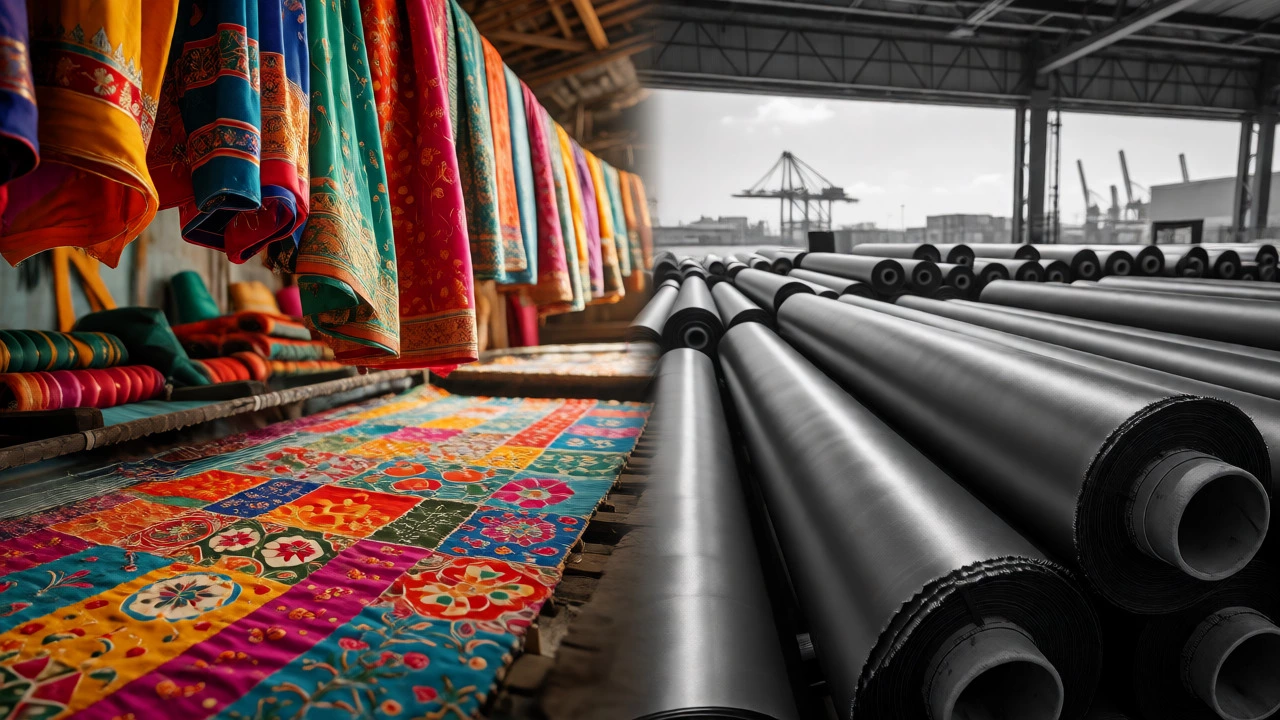
Since you're interested in textile manufacturers in India, it's worth noting the relationship between these two hubs. India is currently one of the largest exporters of cotton yarn and ready-made garments to the US. Many US brands source their basic apparel from India because of cost efficiency. However, when those brands need specialized technical fabrics-say, for military uniforms or advanced sportswear-they often turn back to US-based suppliers in places like Spartanburg.
This creates a complementary relationship rather than a purely competitive one. Indian manufacturers excel in scale and traditional craftsmanship, while US manufacturers excel in innovation, speed-to-market, and technical specification. Understanding this dynamic helps if you're sourcing materials. You don't choose one over the other; you choose based on what product you're making and how fast you need it.
Why Geography Still Matters
Some people argue that with digital communication, physical location doesn't matter anymore. In manufacturing, that's rarely true. Logistics, energy costs, and regulatory environments still dictate where things get made. The US South offers a stable regulatory environment compared to some emerging markets, and its infrastructure is robust. Plus, being close to the final consumer reduces carbon footprints associated with shipping, a growing concern for eco-conscious brands.
If you're looking to invest in textile stocks or start a clothing brand, knowing where the expertise lies gives you an advantage. The concentration of knowledge in the Carolinas means you can find suppliers, consultants, and partners within a short drive. That network effect is hard to replicate elsewhere.
Frequently Asked Questions
Why is Spartanburg considered the textile capital?
Spartanburg earned this title due to its historical dominance in cotton production, the presence of major textile corporations, and its role as a logistical hub for the southeastern US textile industry throughout the 20th century.
Are there still active textile factories in the US?
Yes, thousands remain active. While mass-market garment production has largely moved offshore, the US maintains a strong sector in technical textiles, non-wovens, and high-performance fabrics used in automotive, medical, and defense applications.
How does the US textile industry compare to India's?
India focuses heavily on volume, traditional crafts, and labor-intensive garment manufacturing. The US focuses on technology, automation, and specialized materials. They often serve different market segments but frequently collaborate in global supply chains.
What types of textiles are made in South Carolina today?
Modern production includes synthetic fibers, carpet tiles, automotive upholstery, medical gauze, and protective clothing. There is also a resurgence in small-batch artisanal weaving and denim production.
Did the textile industry decline in the US?
The industry transformed rather than disappeared. Employment in traditional garment sewing dropped significantly due to offshoring, but employment in technical textile manufacturing and R&D remained stable or grew in specific niches.
Next Steps for Industry Watchers
If you want to stay ahead of trends, keep an eye on automation investments in the Carolinas. Robots are increasingly handling tasks like quality inspection and fabric cutting, which keeps costs competitive against Asian imports. Also, watch for sustainability certifications. Brands are demanding transparent supply chains, and US manufacturers are well-positioned to provide that traceability.
For those comparing markets, consider visiting trade shows like Techtextil or attending events in Charlotte and Atlanta. Networking there reveals real-time shifts in capacity and capability. Whether you're sourcing from India or buying from Spartanburg, knowing the strengths of each region ensures you make smarter decisions.