What is the Oldest Known Dessert of India? A Journey Through Ancient Sweets
Ancient Indian Dessert Timeline & Identifier
Picture this: you’re walking through a bustling market in Varanasi, the air thick with the scent of cardamom and ghee. Someone hands you a warm, syrup-soaked treat that tastes like history itself. But what exactly is the oldest known dessert of India? It’s not just one sweet-it’s a legacy woven into rituals, festivals, and daily life for thousands of years.
The Roots of Sweetness in Ancient India
To understand the oldest desserts, we need to go back to the roots. In ancient India, sweetness wasn’t just about taste-it was sacred. The Vedas, some of the oldest texts in human history, mention offerings of jaggery (gur) and clarified butter (ghee) as part of religious ceremonies. These weren’t snacks; they were prayers made edible.
Sugar cane cultivation began in the Indus Valley Civilization around 1500 BCE. By 600 CE, Indian traders had spread sugarcane across Asia and Africa. This early mastery of sugar production laid the foundation for India’s rich dessert culture.
Why Date-Based Sweets Might Be the Oldest
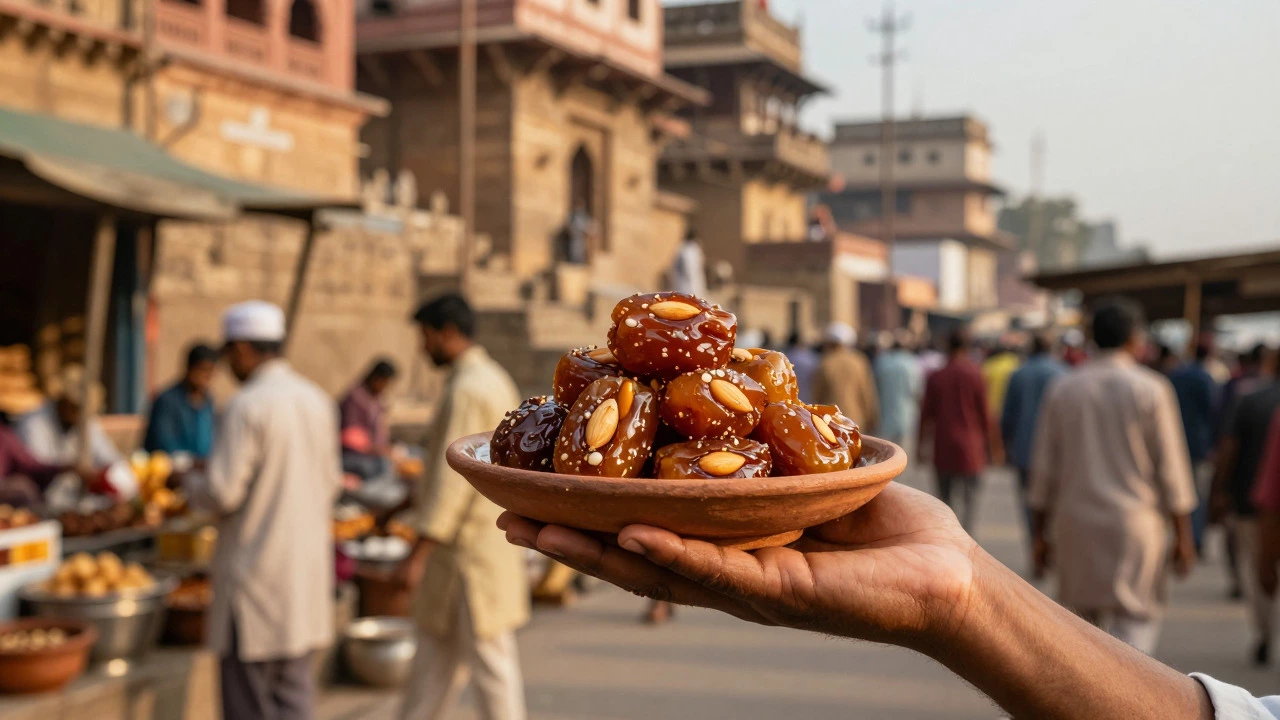
If we’re talking truly ancient, date-based sweets likely hold the title. Dates have been grown in India since at least 3000 BCE, particularly in regions like Gujarat and Rajasthan. Dried dates, often stuffed with nuts or coated in jaggery syrup, appear in archaeological records and ancient trade documents.
These simple treats required no complex cooking techniques-just sun-drying and natural preservation. They traveled well, stored easily, and provided quick energy. For nomadic tribes and early agricultural communities, dates were survival food that doubled as celebration fare.
The Role of Jaggery in Traditional Desserts
Jaggery (gur) is another contender for the oldest sweetener. Made by boiling down sugarcane or palm sap, jaggery has been used in India for over 4,000 years. Unlike refined sugar, it retains minerals and nutrients, making it both practical and healthy.
Traditional recipes using jaggery include:
- Gur chana: Roasted chickpeas mixed with jaggery pieces-a street food staple still popular today
- Peda: Milk-based sweets sweetened with jaggery instead of sugar
- Laddu: Round balls made from flour, jaggery, and ghee, offered during Hindu festivals
These recipes haven’t changed much because they work. Simple ingredients, minimal processing, maximum flavor.
Milk-Based Sweets: A Later but Significant Development
While dates and jaggery come first chronologically, milk-based sweets represent a major evolution in Indian dessert culture. The concept of reducing milk to create rich, creamy textures emerged around 500-800 CE, coinciding with advancements in dairy farming.
Kheer (rice pudding) appears in Sanskrit literature as early as the 7th century. Made by simmering rice in milk until thick, then sweetening with sugar or jaggery, kheer became a symbol of hospitality and celebration.
Other milk-based innovations followed:
| Dessert Type | Approximate Origin | Key Ingredients | Cultural Significance |
|---|---|---|---|
| Date-based sweets | 3000 BCE | Dates, nuts, jaggery | Survival food, travel provisions |
| Jaggery confections | 2000 BCE | Jaggery, grains, spices | Religious offerings, festival foods |
| Kheer/Rice pudding | 500-800 CE | Rice, milk, sugar/jaggery | Hospitality, celebrations |
| Gujiya/Karanji | 1000-1200 CE | Flour, khoya, dry fruits | Holi festival tradition |
Regional Variations Across Ancient India
India’s diversity means different regions developed their own ancient dessert traditions. In the south, coconut and jaggery formed the basis of many sweets. The famous payasam, similar to kheer but often made with vermicelli or semolina, dates back to Tamil Sangam literature around 300 BCE.
In Bengal, the use of chhana (fresh cottage cheese) created unique sweets like roshogolla and sandesh. While these specific forms may be more recent, the technique of curdling milk with lemon juice or vinegar goes back centuries.
The northwest region, particularly Punjab and Kashmir, favored nut-heavy desserts. Almonds, pistachios, and walnuts were combined with rose water and saffron to create luxurious treats reserved for special occasions.
Religious and Cultural Connections
Understanding Indian desserts requires understanding their role in religion and culture. Every major Hindu festival features specific sweets:
- Diwali: Laddu and barfi symbolize prosperity
- Holi: Gujiya represents joy and renewal
- Navratri: Fasting-friendly sweets made without grains
- Weddings: Multiple varieties showcasing family wealth and generosity
Buddhist monasteries in the Himalayas preserved ancient sweet-making techniques. Monks would prepare simple date and honey concoctions during meditation retreats, believing sweetness helped calm the mind.
How to Identify Authentic Ancient Recipes
Not every old recipe qualifies as “ancient.” Here’s how to spot genuinely traditional desserts:
- Minimal ingredients: Ancient recipes typically used 3-5 components maximum
- No refined sugar: Look for jaggery, honey, or date syrup instead
- Local sourcing: Ingredients should reflect regional availability
- Festival connection: Most ancient sweets tie directly to religious or seasonal events
- Simple preparation: No elaborate techniques requiring modern equipment
If a recipe calls for condensed milk, vanilla extract, or gelatin, it’s probably a colonial-era innovation rather than an authentic ancient dish.
Modern Revival of Ancient Sweets
Today, there’s growing interest in returning to these ancient recipes. Health-conscious consumers appreciate that traditional sweets often contain fewer additives and more natural ingredients. Chefs are rediscovering forgotten techniques, while historians document oral traditions passed down through generations.
In cities like Mumbai and Delhi, artisanal sweet shops now offer “heritage” lines featuring recipes reconstructed from ancient texts. These establishments charge premium prices but attract customers seeking authenticity over mass-produced alternatives.
Common Misconceptions About Ancient Indian Desserts
Several myths surround India’s oldest sweets:
- Myth 1: All Indian sweets are extremely high in calories. Reality: Many ancient versions used modest portions and balanced sweetness with spices like cinnamon and cardamom.
- Myth 2: Vegetarianism limited ingredient variety. Reality: Animal products like ghee and milk were central to ancient desserts, creating rich flavors without meat.
- Myth 3: Ancient sweets tasted bland compared to modern versions. Reality: Natural sweeteners provide deeper, more complex flavors than refined sugar.
Where to Find Authentic Ancient Recipes Today
Looking for genuine ancient Indian desserts? Try these approaches:
- Visit temple kitchens: Many temples still prepare traditional sweets according to ancient methods
- Explore rural markets: Small towns often preserve older recipes better than urban centers
- Read classical texts: Works like the Yogaratnakara (13th century) document hundreds of historical recipes
- Attend cultural festivals: Regional celebrations showcase authentic preparations
For home cooks, start with basic date-jaggery combinations before attempting complex milk reductions. Master the fundamentals first.
The Future of Ancient Indian Desserts
As global interest in traditional foods grows, ancient Indian desserts face both opportunities and challenges. Climate change threatens date and sugarcane crops, while industrialization pushes toward faster, cheaper production methods.
Yet demand for authentic experiences keeps these traditions alive. Young chefs blend ancient techniques with contemporary presentation, creating fusion dishes that honor heritage while appealing to modern palates.
The oldest known dessert of India isn’t just a single recipe-it’s a living tradition connecting us to ancestors who understood that sweetness could nourish body, soul, and community simultaneously.
Is kheer really one of the oldest Indian desserts?
Yes, kheer appears in Sanskrit literature dating back to the 7th century CE. However, simpler date-based sweets predate it by thousands of years. Kheer represents an important evolution in milk-based dessert techniques rather than the absolute oldest form.
What makes jaggery different from regular sugar in ancient recipes?
Jaggery contains iron, magnesium, and other minerals absent in refined sugar. Ancient Indians valued it not just for sweetness but for its nutritional benefits. The caramel-like flavor also adds depth missing in white sugar.
Can I make ancient Indian desserts at home easily?
Absolutely! Start with simple combinations like roasted gram with jaggery or soaked dates with almonds. These require no special equipment and capture the essence of ancient sweetness. Gradually experiment with milk reduction techniques as you gain confidence.
Are all traditional Indian sweets vegetarian?
Most traditional Indian sweets are vegetarian, relying on plant-based sweeteners and dairy products. Some regional variations might include clarified butter (ghee), which is technically animal-derived but considered vegetarian in Hindu dietary practices.
How did Islamic influence change Indian desserts?
Islamic rule introduced new ingredients like rose water, saffron, and dried fruits, plus techniques such as deep-frying dough. This led to creations like gulab jamun and jalebi, blending Persian influences with existing Indian traditions. However, these post-date the truly ancient sweets by several centuries.