What is the National Sweet Dish of India? Top Sweets Explained
Find Your Perfect Indian Sweet
Not sure which sweet represents India best for your occasion? Answer three simple questions to get a personalized recommendation.
Why this fits:
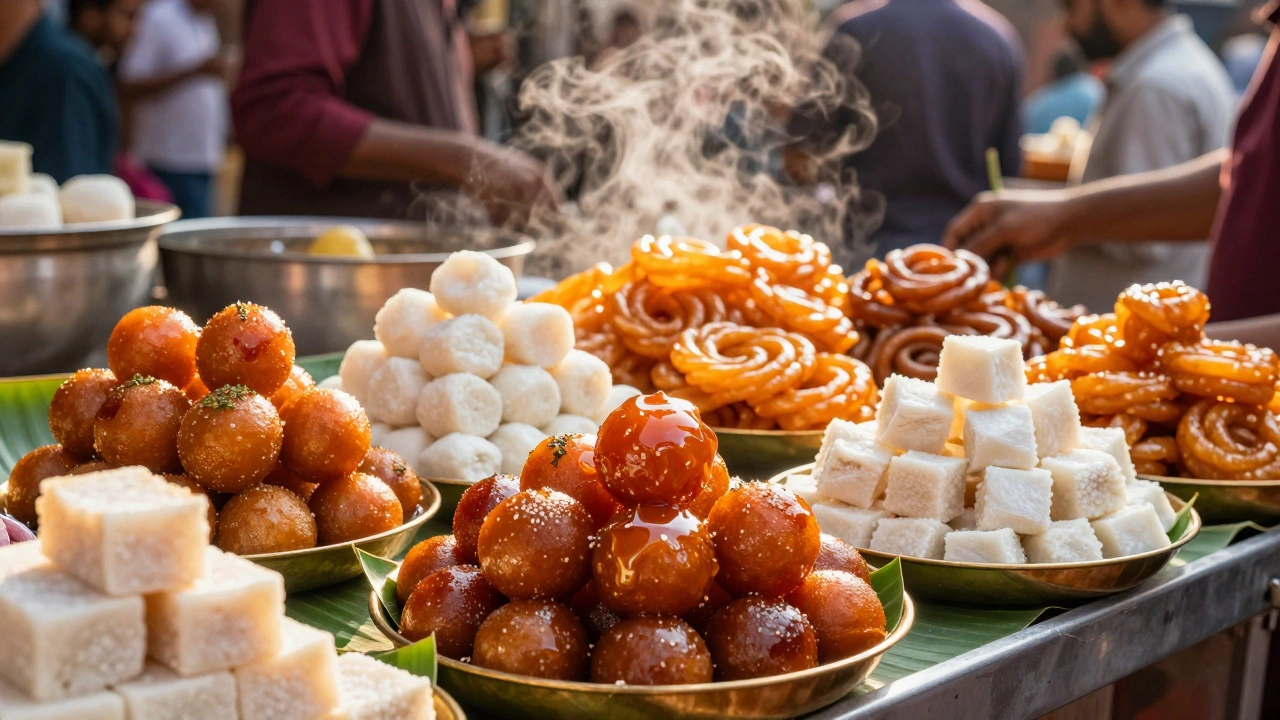
Imagine walking through a bustling market in Delhi or Mumbai. The air smells like cardamom, ghee, and caramelized sugar. You see mountains of golden discs, white squares, and vibrant orange balls. This is the world of Indian sweets, also known as mithai. But if you ask someone what the single "national" sweet of India is, you won't get one simple answer. Instead, you'll get a debate that could last for hours.
India does not have an official government-declared national sweet. Unlike the national animal (the Bengal tiger) or the national flower (the lotus), there is no legal document naming a specific dessert as the representative of the country. However, culturally, a few contenders rise to the top. If you are looking for the most iconic symbol of Indian hospitality and celebration, it is likely Gulab Jamun or Jalebi. These treats appear at weddings, festivals, and family gatherings across every state, from Kashmir to Kerala.
The Contenders for India's Favorite Sweet
To understand why there is no single winner, you have to look at the diversity of the cuisine. India is huge, and its geography dictates its ingredients. In the north, where wheat and dairy dominate, you find rich, milk-based sweets. In the south, coconut and jaggery take center stage. Here are the heavyweights in the race for the title of India's most representative sweet.
Gulab Jamun: The Universal Crowd-Pleaser
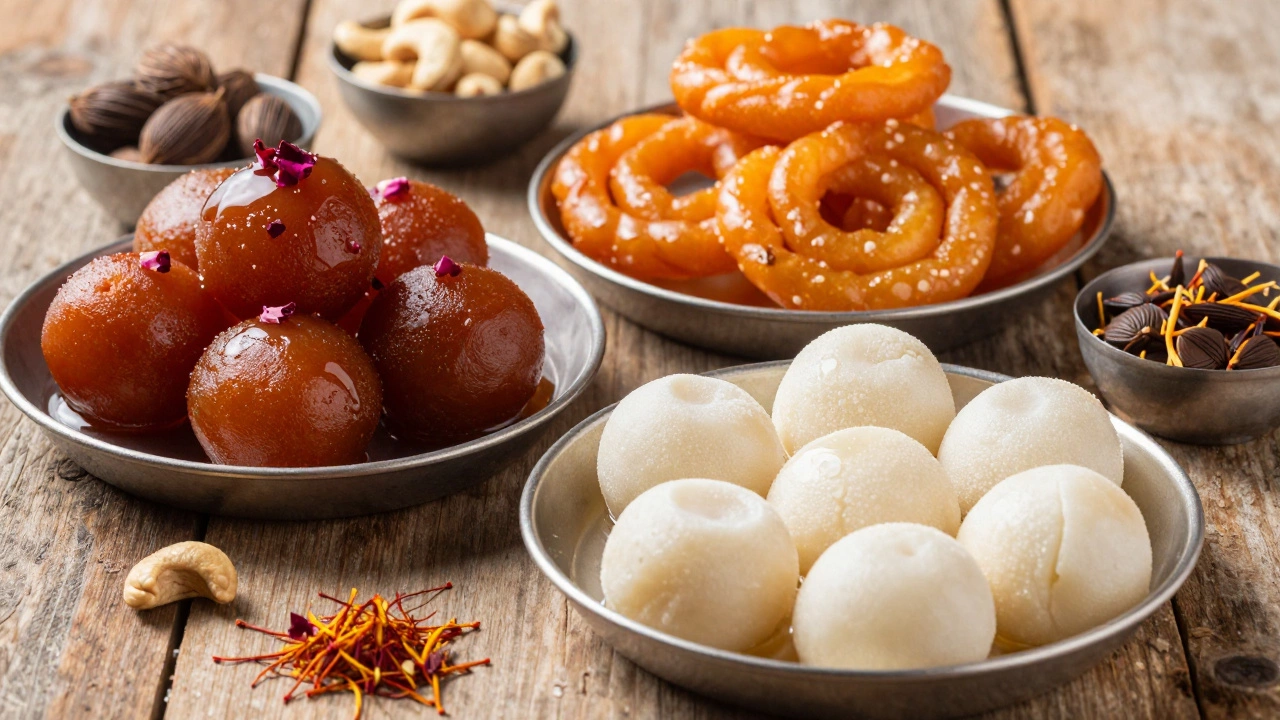
If you had to pick one sweet that travels best and is recognized globally, it is Gulab Jamun. These deep-fried dough balls, soaked in rose-scented sugar syrup, are soft, spongy, and intensely sweet. They are made from khoya (reduced milk solids) or milk powder, mixed with flour and leavening agents. When fried, they turn a deep mahogany color. Soaking them in syrup makes them tender.
Gulab Jamun is served at almost every Hindu wedding and festival like Diwali and Eid. Its ubiquity makes it a strong candidate for the unofficial title. It represents the shared love for rich, indulgent textures that cuts across regional lines.
Jalebi: The Crunchy Spiral Icon
Next to Gulab Jamun stands Jalebi. You cannot walk into an Indian breakfast stall without seeing these bright orange, spiral-shaped rings. Made from a fermented batter of rice and wheat flour, Jalebis are deep-fried until crisp and then immediately dipped in sugar syrup. The result is a crunchy exterior with a slightly chewy center.
Jalebi is often paired with savory snacks like samosas or pakoras, creating a perfect balance of sweet and salty. It is especially popular in North and West India but has fans everywhere. For many Indians, the sight of hot Jalebis coming out of the fryer is the definition of comfort food.
Rasgulla: The Spongy White Pearl
In Eastern India, particularly in West Bengal and Odisha, Rasgulla reigns supreme. Unlike the fried Gulab Jamun, Rasgullas are boiled. They are made from chhena (fresh cottage cheese curds) kneaded until smooth, rolled into balls, and gently simmered in light sugar syrup. This process causes them to puff up, becoming spongy and juicy.
Rasgulla is lighter than most other Indian sweets. It is less oily and relies on the delicate flavor of fresh milk and sugar. While it may not be as universally present in North India as Gulab Jamun, its cultural significance in the East is immense, leading to long-standing debates about its origin between Bengal and Odisha.
Kaju Katli: The Elegant Diamond
If you want something that looks sophisticated, Kaju Katli is the choice. These diamond-shaped slices are made from ground cashew nuts, sugar, and sometimes edible gum. The mixture is cooked slowly to achieve a fudge-like consistency, then flattened and cut. The result is a melt-in-the-mouth treat that is less sticky than others.
Kaju Katli is a staple during Diwali and other major festivals. Because it uses cashews, it is often considered a premium gift item. It represents the wealth and abundance associated with Indian celebrations.
Why Geography Matters in Indian Sweets
The reason there is no single national sweet lies in India's agricultural diversity. Different regions use different primary ingredients based on what grows locally.
| Region | Primary Ingredients | Iconic Sweets |
|---|---|---|
| North India | Milk, Ghee, Nuts | Gulab Jamun, Barfi, Ladoo |
| South India | Coconut, Jaggery, Rice Flour | Payasam, Mysore Pak, Modak |
| East India | Fresh Curd Cheese (Chhena), Sugar | Rasgulla, Sandesh, Rosogolla |
| West India | Semolina, Coconut, Nuts | Sooji Halwa, Anarsa, Shrikhand |
For example, in South India, you will rarely find milk-heavy sweets as the default. Instead, Payasam (or Payasa in some states) is king. This is a pudding-like dessert made by cooking rice, vermicelli, or lentils in milk, flavored with cardamom, saffron, and topped with nuts and raisins. It is essential for temple offerings and festivals. To a South Indian, Payasam might feel more "national" than Gulab Jamun.
In Maharashtra, Modak holds a special place. These steamed dumplings filled with coconut and jaggery are dedicated to Lord Ganesha. During the Ganesh Chaturthi festival, millions of Modaks are made and distributed. For devotees, this is the ultimate sacred sweet.
The Role of Festivals and Hospitality
In India, sweets are not just food; they are a language. Offering a sweet is a gesture of welcome, respect, and goodwill. When guests arrive, you do not just say hello; you offer them a plate of mithai. This practice unites the country under a common cultural thread, even if the specific sweet varies.
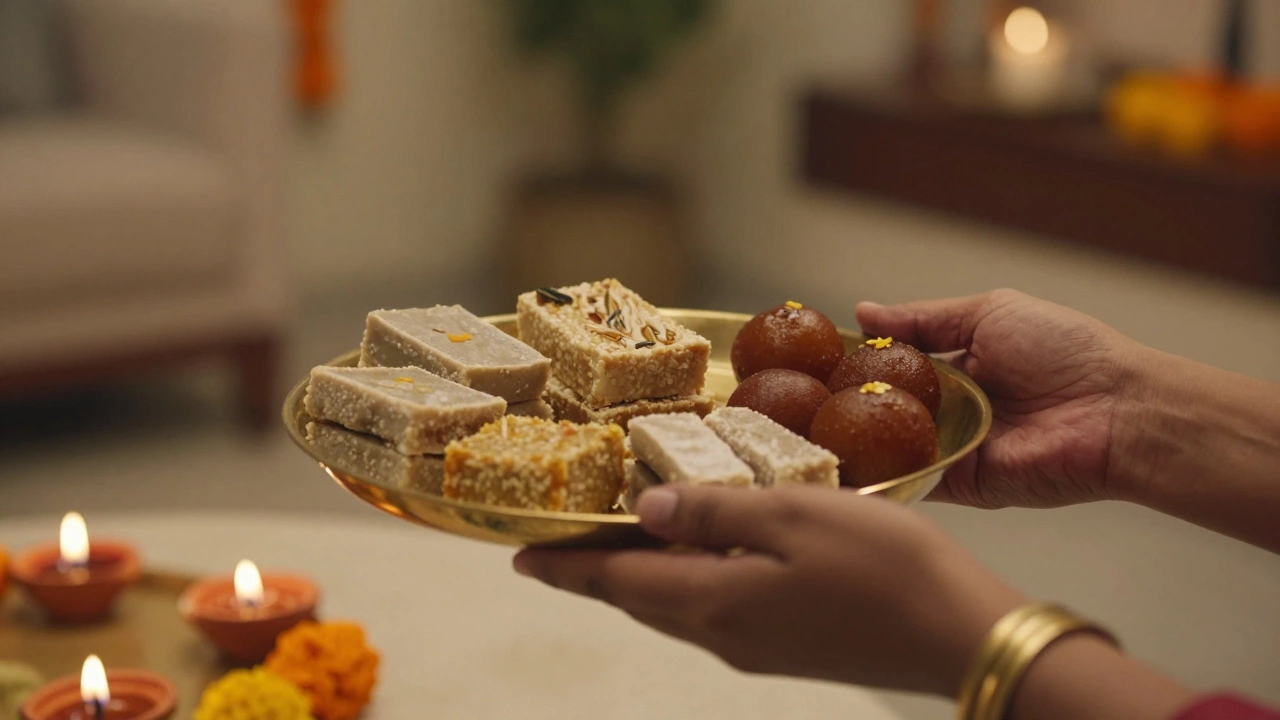
During Diwali, the Festival of Lights, families prepare large batches of sweets to share with neighbors and relatives. This tradition reinforces the social fabric. Whether it is homemade Barfi or store-bought Kaju Katli, the act of sharing sweetness is universal. This shared behavior might be the closest thing to a "national" identity for Indian desserts.
Health Considerations and Modern Trends
Traditional Indian sweets are notoriously high in sugar and fat. Gulab Jamun and Jalebi are essentially concentrated calories. With rising health awareness, especially among younger generations in urban areas like Mumbai and Bangalore, there is a shift towards healthier alternatives.
Chefs and home cooks are now experimenting with:
- Stevia and Monk Fruit: Using natural zero-calorie sweeteners instead of refined sugar.
- Oats and Almond Flour: Replacing wheat flour in Gulab Jamun for a gluten-free, lower-carb option.
- Dark Chocolate: Infusing traditional sweets like Ladoo with dark chocolate for antioxidants.
Despite these trends, the demand for authentic, full-sugar versions remains strong. For most people, these sweets are occasional indulgences, enjoyed in small portions during special occasions.
How to Choose the Right Sweet for Your Event
If you are planning an event and want to serve a sweet that feels authentically Indian, consider your audience and the context.
- For Weddings: Go for variety. A box containing Gulab Jamun, Kaju Katli, and maybe a piece of dry fruit Burfi covers all bases.
- For Casual Gatherings: Jalebi and Samosa pairs are easy to eat and crowd-pleasing.
- For Religious Ceremonies: Respect local customs. In Bengal, serve Rasgulla. In Maharashtra, serve Modak. In Tamil Nadu, serve Payasam.
- For International Guests: Gulab Jamun is often the easiest introduction because its texture is familiar (like a donut hole) and its flavor profile (rose/cardamom) is approachable.
Final Thoughts on India's Sweet Identity
So, what is the national sweet dish of India? There is no single answer, and that is part of the charm. The diversity of Indian desserts reflects the diversity of the people. From the spongy Rasgulla of the east to the crispy Jalebi of the north, each region contributes its own masterpiece to the table.
If you must pick one to represent the country to the world, Gulab Jamun is the safest bet due to its global recognition. But if you want to honor the depth of Indian culture, you should explore beyond the obvious. Try making Mysore Pak for its buttery richness or Shrikhand for its yogurt-based coolness. Each bite tells a story of history, geography, and community.
Is Gulab Jamun the national sweet of India?
No, India does not have an officially declared national sweet. However, Gulab Jamun is widely considered the most iconic and recognizable Indian sweet globally, making it a strong unofficial contender.
What is the difference between Rasgulla and Gulab Jamun?
Rasgulla is made from fresh chhena (cottage cheese) and is boiled in sugar syrup, resulting in a spongy, white, and juicy texture. Gulab Jamun is made from khoya (reduced milk) or milk powder, deep-fried until dark brown, and then soaked in syrup, giving it a dense, soft, and rich texture.
Which Indian sweet is healthy?
Most traditional Indian sweets are high in sugar and fat. However, some options like Fruits-based Laddoos (made with dates, figs, and nuts) or low-sugar versions of Payasam can be healthier choices. Dark chocolate-infused sweets also offer some antioxidant benefits.
What sweet is served during Diwali?
Diwali sweets vary by region but commonly include Kaju Katli, Gulab Jamun, Barfi, Ladoo, and Jalebi. Families often prepare multiple types to share with neighbors and relatives as a symbol of prosperity and joy.
Where did Rasgulla originate?
The origin of Rasgulla is a subject of debate between West Bengal and Odisha. Both regions claim to have invented it, and variations exist in both places. It is a staple of Bengali cuisine and deeply rooted in the culinary traditions of Eastern India.