What is the Best Selling Candy in India? Top Sweets & Confectionery Brands Ranked
Indian Sweet Tooth Calculator
Answer these questions to find out if you are a fan of the "King of Biscuits," the "Chocolate Giant," or the "Traditionalist."
Select your preferences
Adjust the controls to see which Indian sweet giant wins.
Walk into any small shop in Mumbai, a roadside stall in Delhi, or a convenience store in Bangalore, and you will see the same colorful wrappers. The Indian sweet tooth is legendary, but when we talk about "candy" or "sweets," the definition shifts dramatically compared to the West. Here, the best-selling items aren't just hard candies or gummies; they are biscuits that taste like cake, chocolate bars that define festivals, and traditional mithai that powers every celebration.
If you are looking for the single best-selling sweet item in India, the answer might surprise you. It isn't a chocolate bar or a lollipop. It is a biscuit. But if we look at pure confectionery (chocolates and gums), the giants are different. Let's break down who really owns the Indian palate, why these brands dominate, and what makes them sell millions of units every day.
The Undisputed King: Parle-G Glucose Biscuits
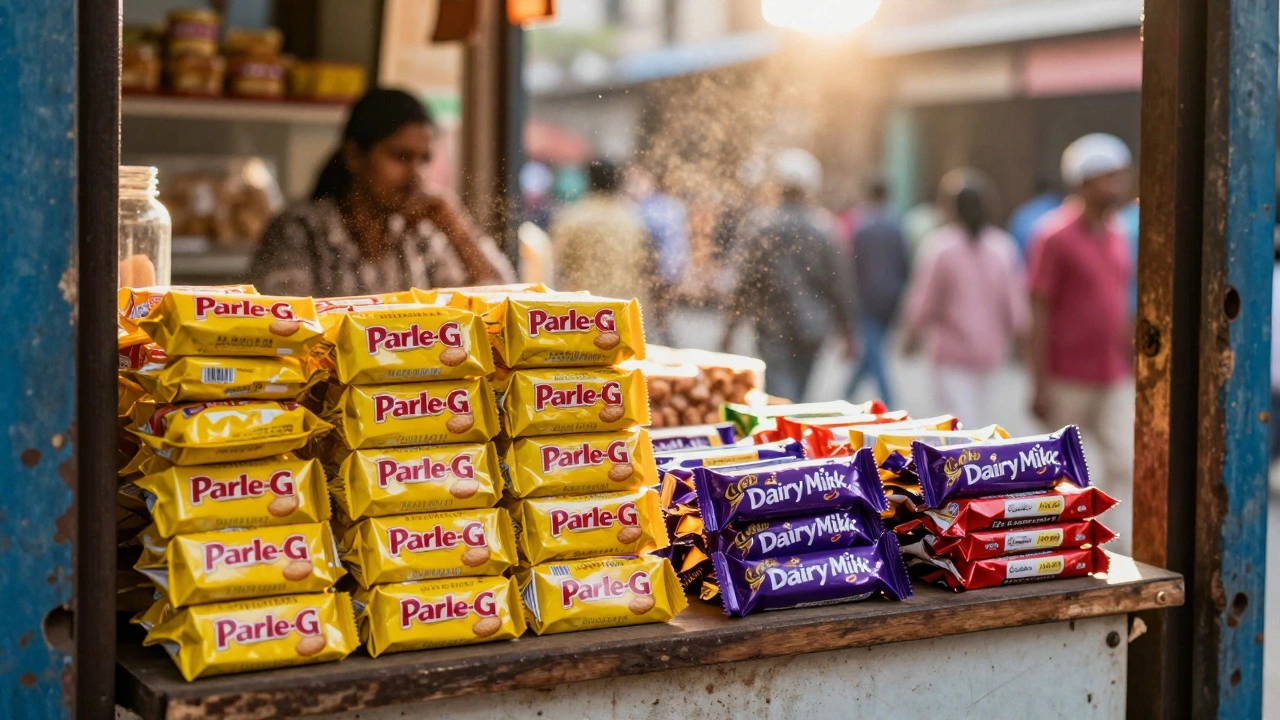
When discussing the best-selling sweet product in India, you cannot ignore Parle-G, which is a glucose-based biscuit manufactured by Parle Products that has been the country's favorite snack since 1939. While technically a biscuit, it occupies the "sweet treat" category for most Indians. It is cheap, widely available, and often eaten with milk as a breakfast staple or an evening snack.
Parle-G sells over 1 billion packs annually. That is not a typo. The brand generates roughly ₹5,000 crore ($600 million) in revenue yearly from this single SKU. Why does it win? Price and penetration. You can find a pack of Parle-G in a remote village in Bihar just as easily as in a high-end mall in Hyderabad. For many families, it is the default comfort food. It is soft, sweet, and incredibly affordable, usually costing less than ₹10 per pack.
- Key Attribute: High glucose content provides quick energy.
- Price Point: Extremely low, making it accessible to all income groups.
- Cultural Role: Often used in home remedies for stomach upset or low blood sugar.
If your metric for "best selling" is total volume, Parle-G is the champion. No other sweet product comes close to its distribution network.
The Chocolate Giant: Cadbury Dairy Milk
Move away from biscuits, and the conversation shifts to chocolate. In the premium confectionery segment, Cadbury Dairy Milk is the leading chocolate brand in India, owned by Mondelez International, known for its creamy texture and iconic purple packaging. Introduced in India in 1948, it has become synonymous with indulgence.
Cadbury Dairy Milk holds a massive market share, estimated at over 50% of the organized chocolate market in India. During festive seasons like Diwali and Christmas, sales spike dramatically. The brand has mastered the art of segmentation. They offer everything from the tiny ₹5 bar to the large family-sized slabs. This strategy ensures that whether you have loose change or a gift budget, there is a Cadbury for you.
Unlike Western markets where Snickers or KitKat might compete fiercely, Cadbury dominates here due to early entry and aggressive marketing. Their "5 Star" bar is also a close second, particularly popular among younger demographics for its caramel center.
| Brand/Product | Category | Estimated Annual Sales Volume | Primary Audience | Key Selling Point |
|---|---|---|---|---|
| Parle-G | Biscuit/Sweet Snack | >1 Billion Packs | All Ages, Mass Market | Affordability & Availability |
| Cadbury Dairy Milk | Chocolate | High Market Share (>50%) | Families, Gift Givers | Creamy Taste & Brand Trust |
| Kurkure | Savory Snack (Context) | High Volume | Youth, Students | Spicy Flavor Profile |
| Haldiram's Namkeen/Mithai | Traditional Sweets | Significant Regional Dominance | Festive Buyers, Elderly | Authentic Traditional Taste |
The Rise of Traditional Mithai: Haldiram's and Local Brands
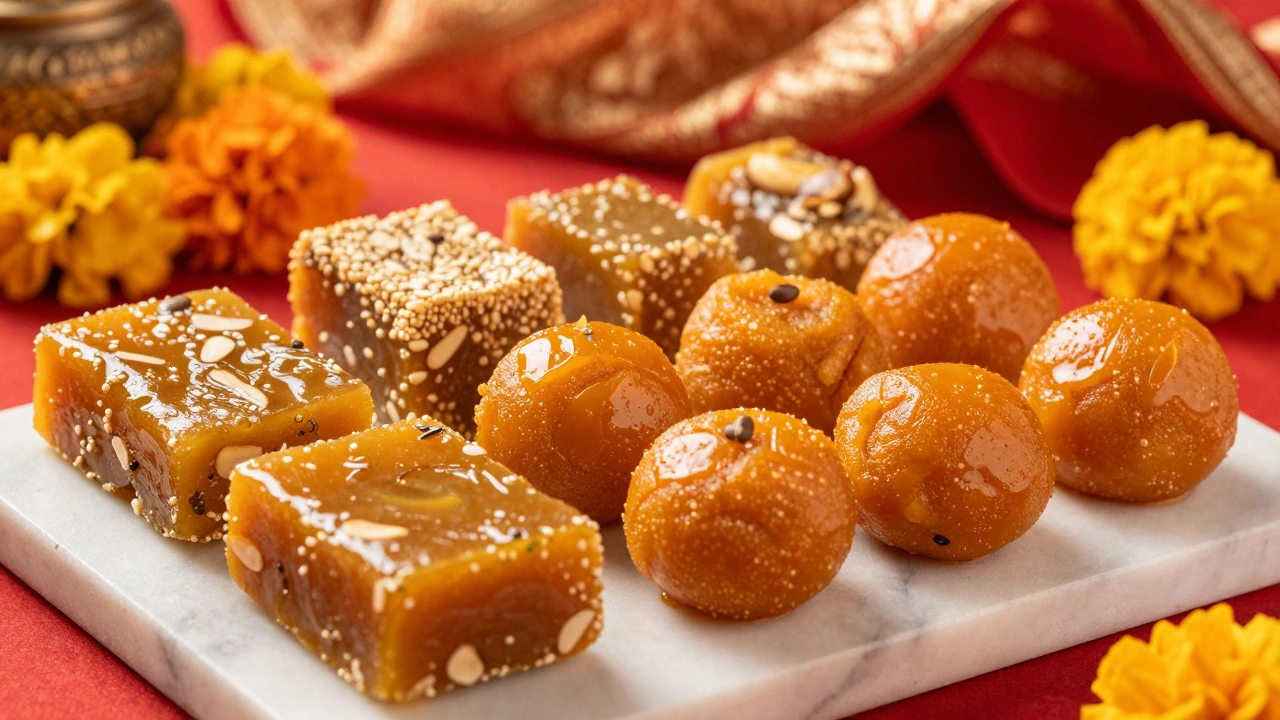
In India, "candy" often includes traditional sweets made from milk solids, sugar, and nuts. These are called Mithai. While local sweet shops dominate neighborhood sales, packaged traditional sweets have exploded in popularity. Haldiram's is one of India's largest food manufacturing companies, specializing in traditional Indian snacks and sweets like Rasgulla, Gulab Jamun, and Ladoo.
Haldiram's has successfully standardized traditional recipes for mass production. Their boxed sweets are best-sellers during weddings and festivals. A box of Kaju Katli (cashew fudge) or Motichoor Ladoo (fried gram flour balls) from Haldiram's is a safe, trusted choice for gifting. Unlike chocolates, which are seen as personal treats, traditional sweets are social currency. You don't eat them alone; you share them.
Other major players in this space include Balaji Wafers (for savory-sweet mixes) and regional giants like MTR in the South or Bikanervala in the North. The key driver here is trust in hygiene and consistency, which local street vendors sometimes struggle to guarantee at scale.
Chewing Gum and Mint Lozenges: The Everyday Habit
If we define candy strictly as non-chocolate confectionery, chewing gum and mints play a huge role. Extra Chewing Gum and Orbit are popular sugar-free gum brands in India, primarily marketed for oral freshness and breath control. Wrigley (now part of Mars) has dominated this niche for decades.
Indians chew gum not just for flavor but for social confidence. After meals, especially those involving strong spices like garlic or onion, a piece of Extra gum is a common habit. Similarly, mint lozenges from brands like Vicks or Strepsils (though medicinal) blur the line between candy and health products. However, in terms of pure "fun" candy, fruit chews and jellies from brands like Haribo (growing fast) and local brands like Bikano are gaining traction among urban youth.
Why Do These Brands Win? Understanding the Indian Consumer
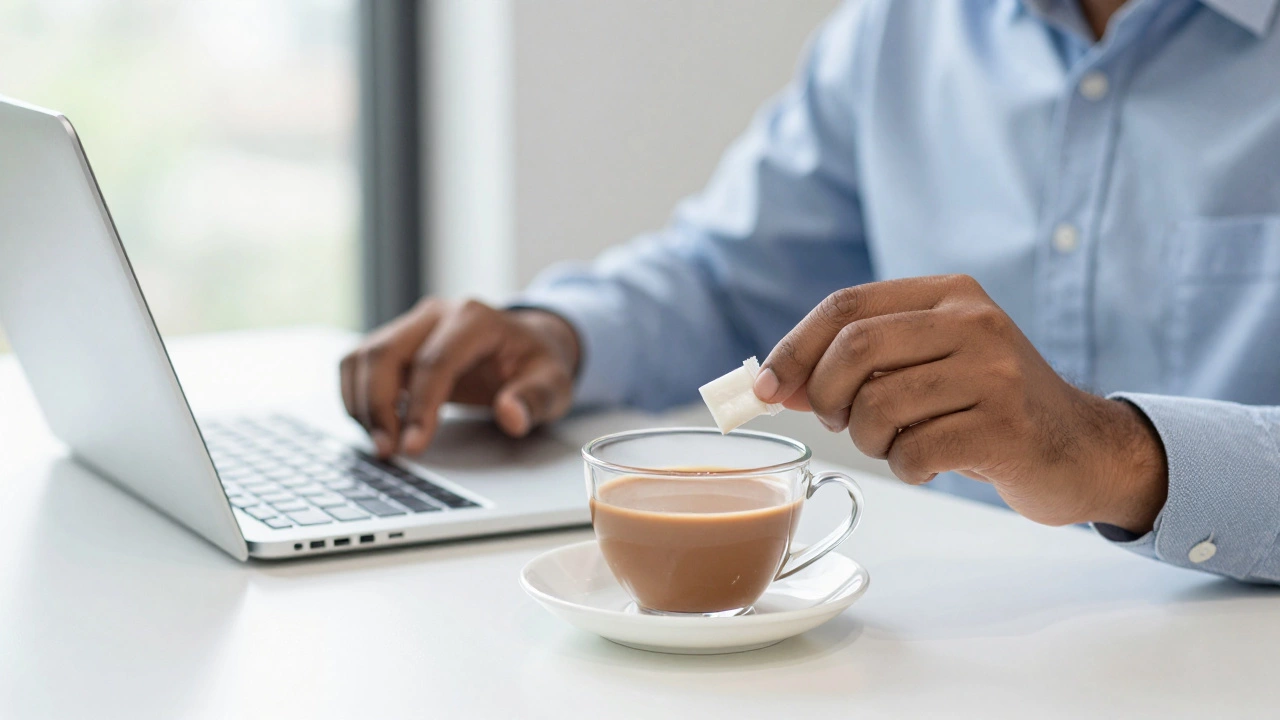
To understand why Parle-G and Cadbury rule, you must look at three factors: Price, Packaging, and Penetration.
- Small Pack Sizes: Indians prefer buying small quantities frequently. A ₹5 Cadbury bar or a ₹10 Parle-G pack fits the daily pocket money of students and workers. Large family packs exist, but the impulse buy drives volume.
- Distribution Depth: These brands reach over 6 million retail outlets, including tiny kirana stores. If a shop sells sweets, it sells Parle-G and Cadbury. Shelf space is won through relationships with distributors, not just advertising.
- Emotional Connection: Marketing in India is deeply emotional. Cadbury ads focus on friendship and love. Parle-G ads often feature children studying or playing. They sell feelings, not just sugar.
Emerging Trends: Health-Conscious Sweets
The landscape is changing. With rising awareness about diabetes and obesity, consumers are looking for alternatives. We are seeing a surge in "guilt-free" candies. Brands are launching chocolates with stevia, biscuits with oats, and traditional sweets made with jaggery instead of refined sugar.
Startups like Wow! Momo (yes, they make sweets too) and established players like Nestle are introducing reduced-sugar variants. While these haven't surpassed the giants in volume yet, they represent the growth rate is impressive. The future of Indian candy lies in balancing tradition with health.
Is Parle-G considered a candy?
Technically, Parle-G is a glucose biscuit, not a candy. However, in the context of Indian sweet consumption, it is often grouped with candies because it is a sugary, impulse-buy snack consumed similarly to chocolate bars or gummies.
What is the most popular chocolate in India?
Cadbury Dairy Milk is the most popular chocolate brand in India. It has held the top spot for decades due to its creamy taste, wide availability, and strong brand loyalty across all age groups.
Are traditional Indian sweets (Mithai) better sellers than chocolates?
It depends on the occasion. For daily consumption, chocolates and biscuits like Parle-G sell more volume. However, during festivals and weddings, traditional sweets like Kaju Katli and Ladoo outsell chocolates significantly in value and weight.
Which company owns Cadbury in India?
Cadbury in India is owned by Mondelez International, an American multinational confectionery, food, and beverage company. Mondelez acquired Cadbury in 2010, but the brand remains deeply rooted in Indian culture.
What are some healthy candy alternatives in India?
Healthy alternatives include fruits chews made with real fruit juice, dark chocolate with higher cocoa content, and traditional sweets made with jaggery or date syrup instead of white sugar. Brands like Forest Essentials and various organic startups offer these options.