What is the Best Indian Dish to Order? A Guide for Beginners
Indian Dish Finder
Not sure what to order? Answer these three questions to find your perfect match.
1. What is your main craving right now?
We Recommend:
Why it's perfect for you:
Dish Details
- Main Ingredient:
- Spice Level:
- Best Paired With:
Pro Tip
Walk into any Indian restaurant, and you are immediately hit with a wall of choices. The menu is thick, the names are unfamiliar, and the descriptions often sound like poetry rather than food instructions. You want something delicious, but you also want to avoid ordering a mistake that ends up too spicy, too heavy, or just not what you expected. It is a common dilemma. You do not need to be an expert in South Asian cuisine to pick a winner. You just need to know which dishes serve as the perfect bridge between your current taste preferences and the rich flavors of India.
The "best" dish depends entirely on what you are craving right now. Are you looking for comfort food that feels like a hug? Do you want something crispy and fun to share? Or are you ready to dive into deep, complex spices? There is no single answer, but there are clear favorites that consistently satisfy first-timers and veterans alike. Let’s break down the top contenders so you can order with confidence.
The Safe Bet: Chicken Tikka Masala
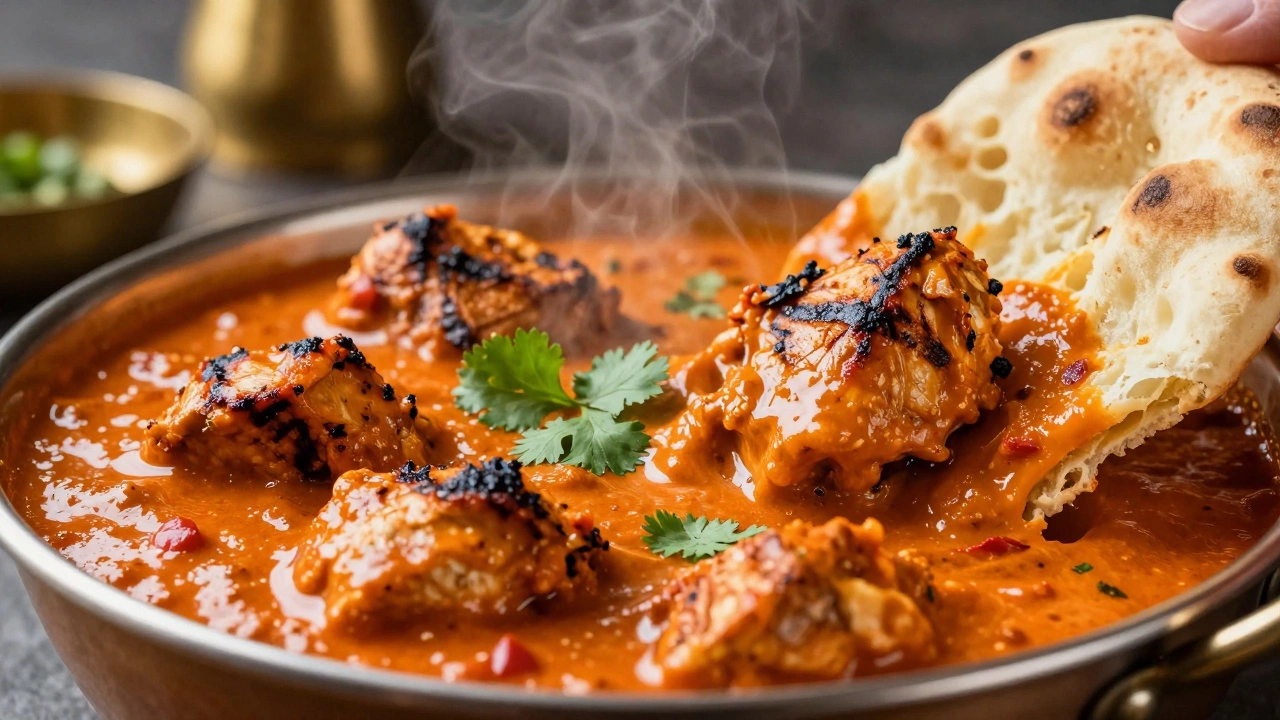
If you have never had Indian food before, Chicken Tikka Masala is a creamy tomato-based curry with tender chunks of grilled chicken. It is widely considered the gateway drug to Indian cuisine. Why? Because it balances heat, sweetness, and creaminess in a way that almost everyone enjoys. The chicken is marinated in yogurt and spices, then roasted in a tandoor (clay oven) until it has a slight char. It is then simmered in a sauce made from tomatoes, cream, garlic, ginger, and mild spices like cumin and coriander.
This dish is forgiving. If you are sensitive to spice, this will likely not burn your tongue. If you love rich sauces, this delivers. It pairs perfectly with naan bread or basmati rice. Many people argue that Chicken Tikka Masala is not even authentically Indian since it was popularized in the UK, but that debate does not matter when you are hungry. It is a global favorite for a reason. It tastes good, it looks beautiful, and it is rarely disappointing.
The Comfort Food King: Butter Chicken
Butter Chicken, also known as Murgh Makhani, is a mildly spiced curry featuring chicken in a smooth, buttery tomato sauce. While it sounds similar to Chicken Tikka Masala, there are key differences. Butter Chicken tends to be sweeter, richer, and less tangy. The sauce is thinner and glossier, thanks to the addition of butter and sometimes a touch of sugar or cashew paste. It originated in Delhi in the 1950s as a way to use leftover tandoori chicken by soaking it in a gravy to keep it moist.
This is the ultimate comfort food. On a cold day, or when you just want something soothing, Butter Chicken hits the spot. It is incredibly versatile. You can eat it with jeera rice (cumin rice), which absorbs the sauce beautifully, or with garlic naan. If you are feeding a group that includes kids or people who dislike heat, this is your safest bet. It is indulgent, yes, but that is part of its charm. Just remember to balance it with a side of raita (yogurt sauce) to cut through the richness.
The Vegetarian Hero: Dal Makhani
Do not let the word "dal" scare you off if you think lentils are boring. Dal Makhani is a slow-cooked dish made from black lentils and kidney beans, finished with butter and cream. This dish is legendary in North India. It is traditionally cooked overnight in large pots, allowing the lentils to break down and create a thick, velvety texture. The flavor profile is earthy, savory, and deeply aromatic, with notes of garlic, ginger, and warm spices like cardamom and cloves.
Dal Makhani is proof that vegetarian food can be hearty and satisfying. It is not a side dish; it is a main event. The contrast between the soft, melting lentils and the occasional firm bite of a kidney bean adds interesting texture. It is best served hot, straight from the pot, with plenty of fresh cilantro on top. Pair it with roti or paratha (stuffed flatbread) for a meal that feels substantial. If you are skeptical about lentils, give this one a chance. It changes minds.
The Crispy Crowd-Pleaser: Samosas
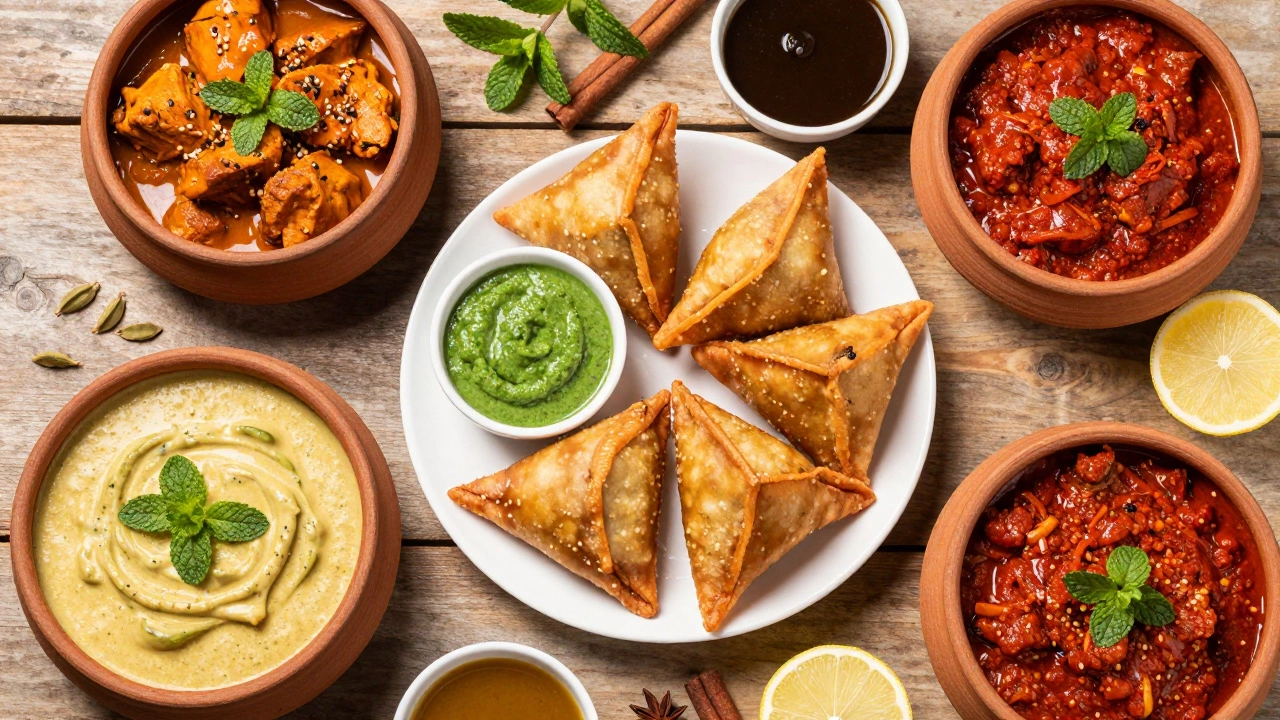
Sometimes you do not want a bowl of sauce. You want something you can hold in your hand. Samosas are deep-fried pastries filled with spiced potatoes, peas, and sometimes meat. They are triangular, golden-brown, and impossibly crispy. The filling is usually a mixture of mashed potatoes, green peas, onions, and a blend of spices including chaat masala, which adds a tangy kick. Samosas are ubiquitous across India, found in street stalls and high-end restaurants alike.
Samosas are perfect for sharing. Order a plate of four or six and pass them around. They are best eaten while still hot, so ask for them fresh if possible. Dip them in mint chutney or tamarind sauce for extra flavor. If you are looking for an appetizer to start your meal, or a snack to take home, samosas are hard to beat. They are cheap, delicious, and universally loved. Just be careful not to get too much filling on your fingers!
The Bold Choice: Rogan Josh
If you are feeling adventurous and want to experience the depth of Kashmiri cuisine, try Rogan Josh, which is a aromatic lamb curry colored red with Kashmiri chilies and flavored with fennel and dry ginger. This dish comes from the Kashmir region in northern India. Unlike many other curries that rely heavily on tomatoes, Rogan Josh gets its color and heat from Kashmiri chilies, which provide a vibrant red hue without overwhelming heat. The star ingredients are lamb, fennel powder, and asafoetida (hing), which gives it a distinct, savory aroma.
Rogan Josh is for people who appreciate complexity. The meat should be tender enough to fall apart, and the sauce should be rich but not creamy. It is a slower-cooked dish that rewards patience. The flavors are warm and inviting, with a subtle sweetness from the fennel balancing the savory lamb. Serve it with saffron rice to enhance the luxurious feel. This is not a quick fix; it is a culinary experience. If you love lamb, this might become your new favorite.
Comparison of Top Dishes
| Dish | Main Ingredient | Spice Level | Best Paired With | Ideal For |
|---|---|---|---|---|
| Chicken Tikka Masala | Chicken | Mild | Naan, Basmati Rice | First-timers, Cream lovers |
| Butter Chicken | Chicken | Mild | Jeera Rice, Garlic Naan | Comfort seekers, Kids |
| Dal Makhani | Lentils/Beans | Mild-Medium | Roti, Paratha | Vegetarians, Hearty meals |
| Samosas | Potato/Peas | Medium | Mint Chutney | Sharing, Appetizers |
| Rogan Josh | Lamb | Medium | Saffron Rice | Adventurous eaters, Lamb lovers |
Essential Sides and Drinks
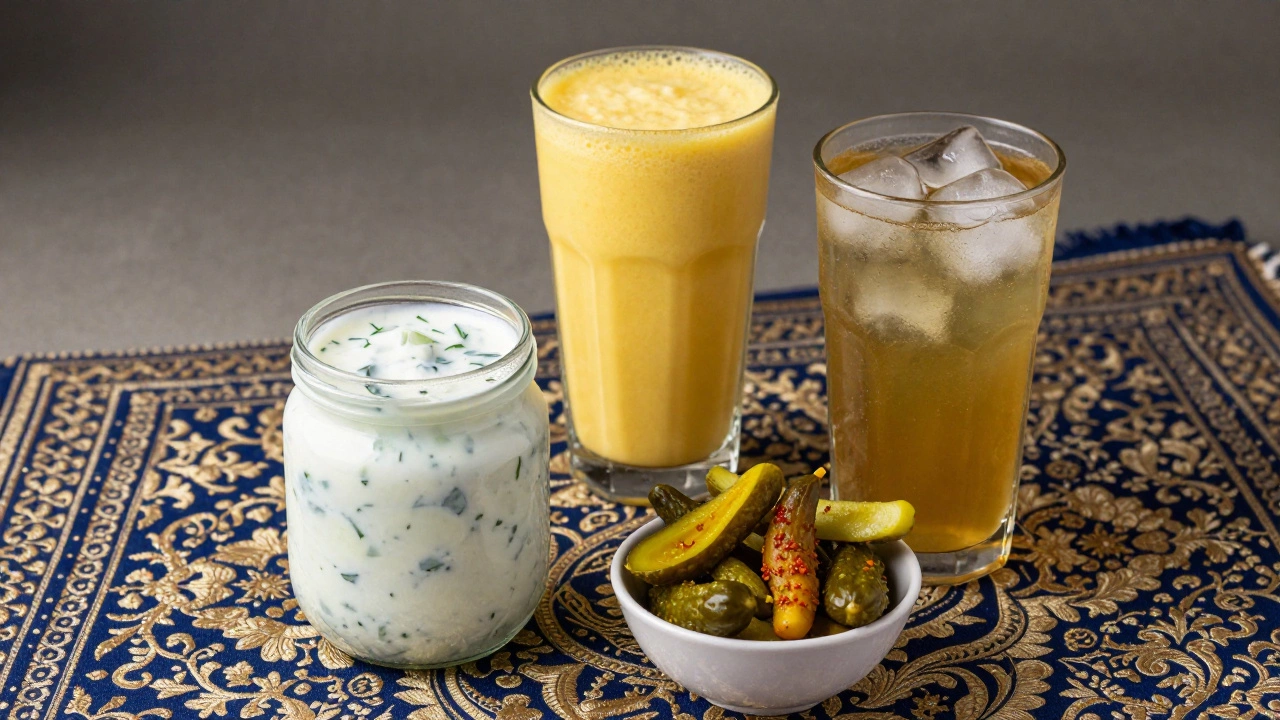
Your main dish is only half the story. The sides and drinks you choose can make or break the experience. Do not skip the Raita, which is a cooling yogurt sauce mixed with cucumber, mint, or boondi. It acts as a palate cleanser, soothing any heat from the curry. Another essential side is Pickle (achar), which adds a sharp, acidic crunch that cuts through the richness of the main course.
For drinks, stick to traditional options. Mango Lassi is a sweet yogurt-based drink blended with mango pulp. It is refreshing and complements spicy food well. If you prefer something non-dairy, try Jaljeera, a cumin-flavored soda that aids digestion. Avoid heavy alcoholic beverages if you are eating very spicy food, as they can intensify the heat. Beer or light wine works better.
Common Mistakes to Avoid
One common mistake is ordering too many heavy dishes. Indian food is rich, and your stomach will thank you if you balance creamy curries with lighter sides like salad or raita. Another error is ignoring spice levels. Most menus indicate spice levels, but if you are unsure, ask. You can always add chili oil later, but you cannot remove it once it is in. Finally, do not underestimate the power of bread. Naan and roti are not just fillers; they are tools for eating. Use them to scoop up sauce and balance every bite.
Is Indian food generally spicy?
Not necessarily. While Indian cuisine uses many spices, "spicy" refers to heat from chilies, which varies greatly by dish and region. Dishes like Butter Chicken and Chicken Tikka Masala are typically mild. You can also request "mild" or "medium" heat when ordering to suit your preference.
What is the difference between naan and roti?
Naan is a leavened flatbread baked in a tandoor, making it softer and slightly chewy. Roti is an unleavened whole wheat flatbread, usually cooked on a griddle. Roti is simpler and healthier, while naan is richer and often brushed with butter or garlic.
Can I get vegetarian Indian food?
Absolutely. Indian cuisine has a vast array of vegetarian dishes due to cultural and religious practices. Options include Dal Makhani, Palak Paneer (spinach with cheese), Chana Masala (chickpea curry), and various vegetable biryanis. Most Indian restaurants cater extensively to vegetarians.
How should I eat Indian food?
Traditionally, Indian food is eaten with the right hand, using pieces of naan or roti to scoop up curries and rice. Using utensils is also perfectly acceptable and common in many settings. The key is to mix the components together for each bite to balance flavors.
What does "tandoori" mean?
Tandoori refers to food cooked in a tandoor, a cylindrical clay oven that reaches extremely high temperatures. This method imparts a smoky flavor and charred exterior to meats and breads. Tandoori Chicken is a classic example, where chicken is marinated and roasted in the tandoor.