What is Chutney Called in English? A Guide to Indian Condiments
Indian Condiment Identifier
Confused by the small bowls on your plate? Answer these three questions to identify what you are eating.
Fill out the form on the left and click "Identify Condiment" to see the result.
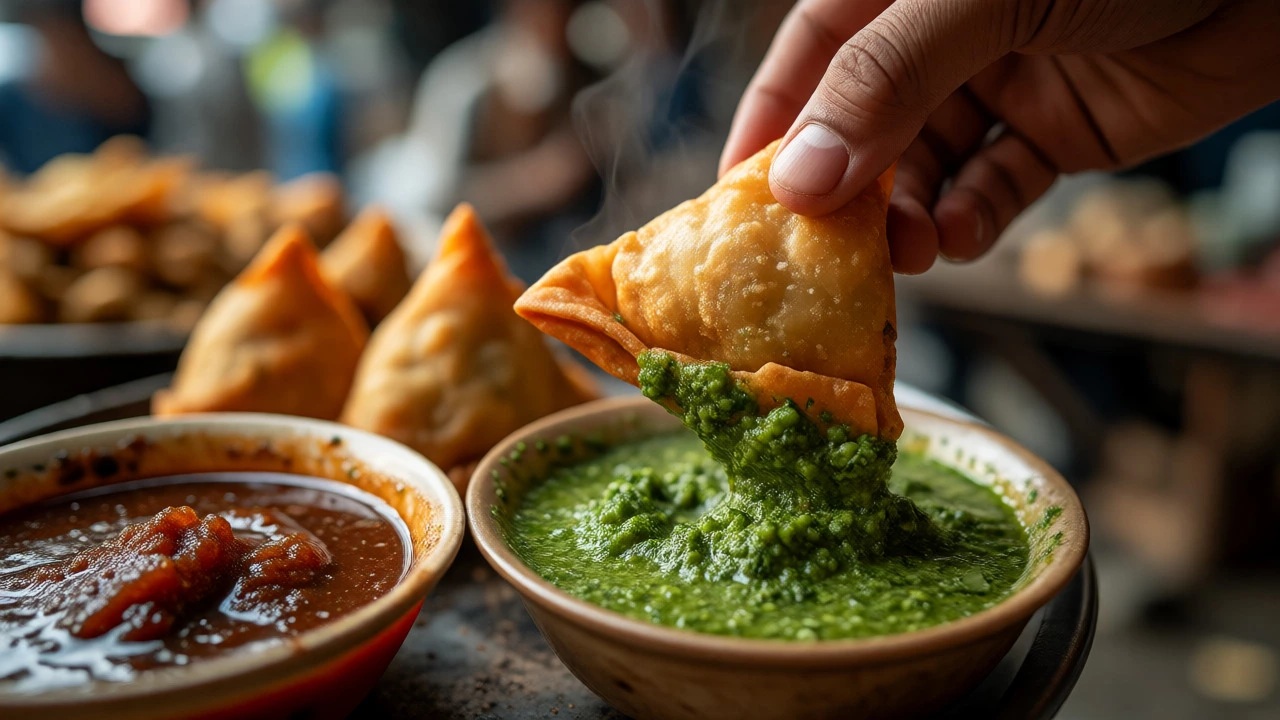
You are sitting at a dinner table, staring at a small bowl of vibrant green paste next to your samosa. You dip the crispy pastry into it, and suddenly, your taste buds wake up. It’s tangy, spicy, and fresh. But if you try to describe this to someone who has never eaten Indian food before, you might hit a wall. "It's like... ketchup?" you say, but they look confused. "Like salsa?" No, not quite. The word chutney is a broad category of sweet, sour, or spicy condiments originating from the Indian subcontinent, typically made from fruits, vegetables, herbs, and spices. So, what is chutney called in English? The honest answer is: it doesn’t have one single equivalent. It’s a family of sauces that ranges from smooth purees to chunky relishes.
This confusion isn't just about vocabulary; it's about culinary culture. In the West, we categorize sauces by texture or base-tomato-based, cream-based, oil-based. In India, the categorization is often based on the balance of six tastes (sweet, sour, salty, bitter, pungent, astringent) and whether the condiment is meant to cool you down or heat you up. If you want to understand Indian food properly, you need to decode these little bowls. Let’s break down exactly what chutney is, why English struggles to name it, and how to tell the difference between the major types you’ll encounter.
The Linguistic Gap: Why English Fails Here
Language shapes how we eat. English has words for specific textures and bases: jam, jelly, marmalade, salsa, relish, pickles, gravy. But none of these fully capture the essence of chutney. When the British colonized India, they encountered these complex condiments and simply borrowed the Hindi word chatni, which means "to lick." They anglicized it to chutney. For centuries, in the UK, "chutney" referred almost exclusively to fruit preserves cooked with vinegar and sugar, similar to a thick jam. Think of the jar of apple chutney you might put on a cheese board.
But in India, chutney is rarely a long-cooked preserve. Most everyday chutneys are raw, freshly ground pastes served immediately. This distinction is crucial. If you order "mango chutney" in London, you might get a sweet, cooked jam. Order it in Delhi, and you’ll likely get a sharp, uncooked paste of raw mangoes, salt, and chili. The English language lacks a precise term for "freshly ground savory herb paste," so we use the loanword. Until we invent a new word, we have to explain the context.
Fresh vs. Cooked: The Two Main Families
To navigate the menu, you first need to identify if the chutney is fresh or cooked. This changes everything about its flavor profile and shelf life.
Fresh Chutneys are the heart of daily Indian meals. These are made by grinding ingredients in a mortar and pestle or blender just before serving. They are perishable and must be eaten within a day or two. The most common examples include:
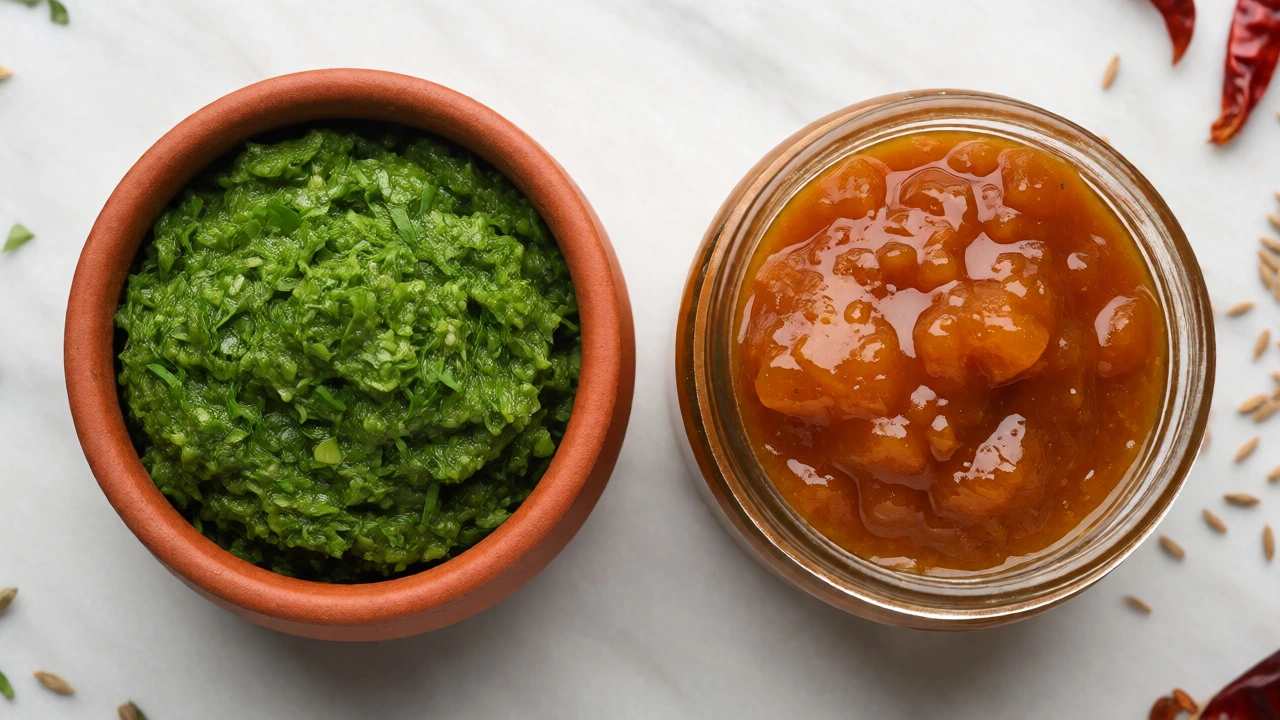
- Green Chutney (Hari Chutney): Made from coriander, mint, green chilies, and lemon juice. It is cooling, zesty, and cuts through the grease of fried foods like pakoras.
- Tamarind Chutney (Imli Chutney): While often cooked, many street vendors make a quick version using tamarind pulp, jaggery, and dates. It provides a deep, umami-rich sweetness.
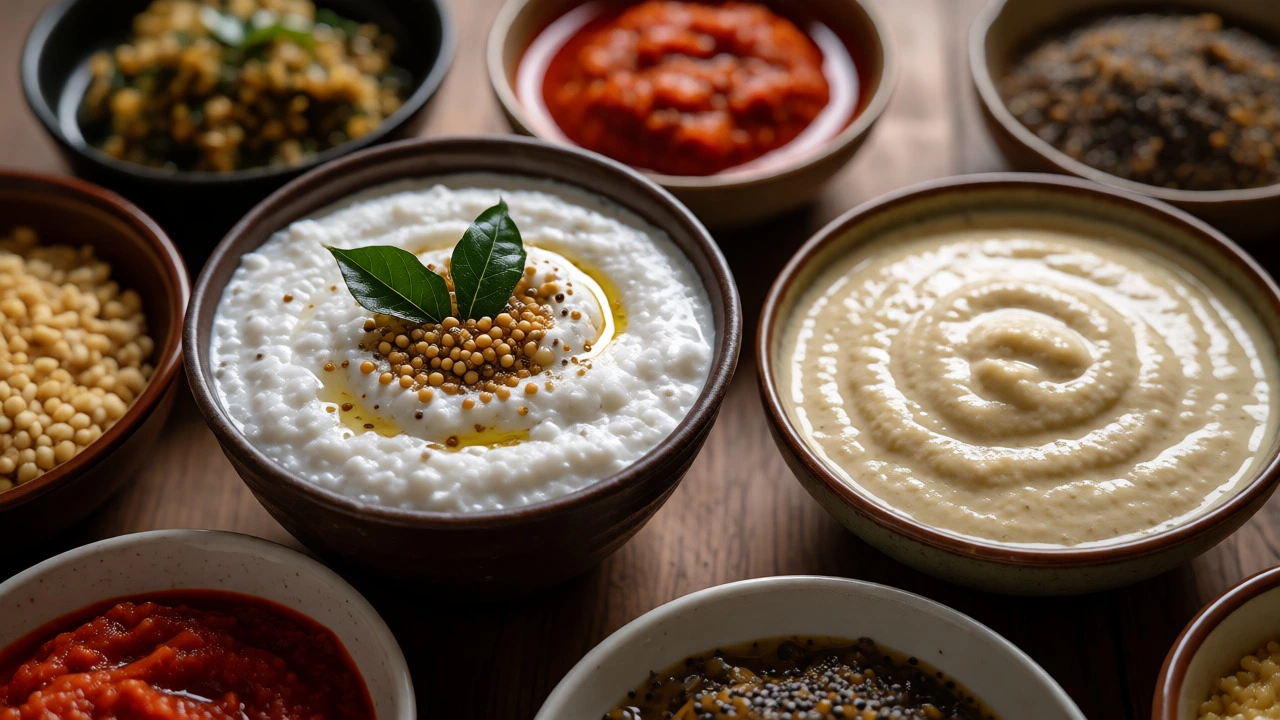
- Coconut Chutney: A staple in South India, paired with dosa and idli. It relies on fresh grated coconut, tempered with mustard seeds and curry leaves.
Cooked Chutneys are preserved condiments. These are closer to the Western concept of jam or relish. Ingredients are simmered for hours with vinegar, sugar, and spices until they thicken. These can last for months in a jar. Examples include:
- Mango Chutney (Aam Ki Chutney): Often made with ripe mangoes, sugar, and vinegar.
- Pickle-like Chutneys: Sometimes indistinguishable from achar (pickles), though pickles usually rely more heavily on oil and fermentation.
| Feature | Fresh Chutney | Cooked Chutney |
|---|---|---|
| Preparation Time | 10-15 minutes | 1-3 hours |
| Texture | Smooth paste or coarse grind | Thick, jam-like consistency |
| Flavor Profile | Bright, herbal, acidic, spicy | Sweet, tangy, complex, deep |
| Shelf Life | 2-3 days (refrigerated) | Months (pantry stable) |
| Best Pairing | Fried snacks, dosas, rice | Cheese, meats, breads |
Chutney vs. Raita vs. Pickle: Clearing the Confusion
Even after understanding fresh versus cooked, people still mix up chutney with other Indian condiments. Let’s draw clear lines.
Raita is a yogurt-based side dish, often mixed with cucumber, onions, or boondi (fried chickpea droplets). It is creamy, mild, and designed specifically to neutralize the heat of spicy curries. If you see a white, liquidy bowl, it’s raita. If it’s green, red, or brown, it’s chutney. Never confuse them; putting raita on a dry snack like a samosa feels wrong, just as pouring green chutney over a heavy dal feels overwhelming.
Achar (Pickle) is a fermented condiment made with vegetables or fruits, salt, oil, and spices, cured for weeks or months. Pickles are intense, oily, and salty. Chutneys are generally less oily and fresher. However, there is overlap. Some "pickle-chutneys" exist, particularly in regional cuisines where fruits are preserved in oil and spices but ground into a paste. The rule of thumb: if it’s floating in a lot of oil and tastes fermented, it’s likely achar. If it’s a wet paste without excess oil, it’s chutney.
Regional Variations: One Word, Many Meanings
India is vast, and "chutney" means different things in Mumbai than it does in Chennai or Kolkata. Recognizing these regional nuances helps you order with confidence.
In North India, chutney is almost always associated with street food. You will find green chutney (mint/coriander) and tamarind-date chutney served together on plates of gol gappa, chaat, and samosas. The focus here is on contrast: the cooling green against the hot fried dough, balanced by the sweet-sour tamarind.
In South India, coconut chutney reigns supreme. It accompanies breakfast items like idli (steamed rice cakes) and dosa (fermented crepes). Here, chutney is not just a condiment; it’s a primary source of fat and flavor for a meal that might otherwise be bland. There are also tomato-onion chutneys (Kara Chutney) that are spicier and coarser.
In East India (Bengal), chutneys often feature poppy seeds (posto) or fish-based elements. Bengali cuisine loves subtle sweetness, so their chutneys might use date palm syrup (gur) rather than refined sugar. They are often smoother and less fiery than their northern counterparts.
In West India (Maharashtra/Gujarat), you’ll encounter garlic chutney (Lasun Chutney), which is incredibly spicy and used in sandwiches like Vada Pav. Gujarati cuisine also features sweet chutneys made from kokum or tamarind to accompany dhokla, a steamed lentil cake.
How to Use Chutney Like a Pro
So, you’ve identified the chutney. Now, how do you eat it? Don’t drown your food. Chutney is an accent, not the main course. Its job is to highlight the flavors of the dish, not mask them.
- Balance Heat: If your curry is extremely spicy, reach for a cooling chutney like coconut or mint. Avoid adding more spicy chutney unless you enjoy masochism.
- Cut Grease: Fried foods need acid. Green chutney with its lime juice content is perfect for cutting through the oil of pakoras or samosas.
- Add Depth to Bland Foods: Steamed rice or plain rotis can feel empty. A dollop of tamarind chutney adds complexity and sweetness that transforms the bite.
- Experiment with Fusion: Try green chutney on a burger instead of ketchup. Or use mango chutney as a glaze for roasted chicken. The principles of balancing sweet, sour, and spicy work universally.
If you are cooking at home, remember that fresh chutneys lose their brightness quickly. Make them right before serving. If you must prep ahead, store the herbs separately from the liquids and combine them just before eating. Oxidation turns green chutney brown and dulls the flavor.
Common Misconceptions About Chutney
There are a few myths that trip up newcomers. First, "chutney is always spicy." Not true. Coconut chutney is often mild, relying on tempering spices for aroma rather than heat. Tamarind chutney is sweet and tangy, not necessarily hot. Always ask or taste a tiny bit first.
Second, "all chutneys are vegetarian." While most are, some regional variations use fish or shrimp. In coastal areas, you might find prawn chutney. If you are vegan, check for dairy products like yogurt or milk solids in certain rich chutneys.
Third, "chutney is unhealthy." Because it’s often served with fried food, people assume the condiment itself is the problem. Actually, most fresh chutneys are low-calorie, high in vitamins, and packed with antioxidants from herbs and spices. The calories come from the samosa, not the mint paste.
Frequently Asked Questions
Is chutney the same as salsa?
No, although they share similarities as fresh, chopped condiments. Salsa is typically tomato-based with cilantro, onion, and lime, originating from Mexico. Chutney is broader, often including fruits, nuts, or dairy, and uses spices like cumin, coriander, and mustard seeds common in Indian cuisine. Texture-wise, salsas are usually chunkier, while many chutneys are smooth purees.
Can I buy chutney in regular supermarkets?
Yes, but with caution. Most mainstream supermarkets sell "Mango Chutney," which is usually the sweet, cooked, jam-like variety found in the UK. This is very different from the fresh green or tamarind chutneys served with street food. For authentic fresh options, visit an Indian grocery store or look for refrigerated jars labeled "ready-to-eat" rather than pantry staples.
What is the difference between raita and chutney?
The base ingredient is the key difference. Raita is made from yogurt (curd) and is creamy, white, and cooling. Chutney is made from fruits, vegetables, or herbs and comes in various colors (green, red, brown). Raita is designed to soothe the palate from spice, while chutney adds specific flavor profiles like tanginess, sweetness, or heat.
Why is my homemade green chutney turning black?
This is due to oxidation. When the cell walls of mint and coriander are broken during blending, enzymes react with oxygen, causing browning. To prevent this, add lemon juice immediately after blending, as the acid slows oxidation. Alternatively, blanch the herbs briefly in boiling water and shock them in ice water before blending to deactivate the enzymes.
Is chutney healthy?
Generally, yes. Fresh chutneys are low in calories and high in nutrients from herbs and vegetables. However, watch out for added sugars in cooked varieties or high sodium levels in commercial brands. Homemade versions allow you to control sugar and salt content, making them a nutritious addition to any meal.