What Happens If You Don't Soak Dal? Texture, Digestion & Quick Fixes
Dal Soak Skipper: Impact Calculator & Quick Fix Guide
Select your dal type and cooking method to see what happens when you skip soaking, plus get instant fixes.
Masoor Dal
Red LentilToor Dal
Pigeon PeaChana Dal
Split ChickpeaMoong Dal
Yellow Split Mung📊 Impact Analysis for
Cook Time Increase
longer than soaked dal
Digestive Impact Level
risk of gas & bloating
🚀 Emergency Quick Fixes
💡 Pro Tips for This Dal
You’re rushing to get dinner on the table. The clock is ticking, and you realize you forgot to soak the dal (lentils or pulses used in Indian cuisine). Do you toss them in the pot anyway, or does skipping this step ruin the meal? The short answer is: it depends on which dal you are using, but for most varieties, skipping the soak means a longer cook time, a tougher texture, and potentially significant digestive discomfort.
Soaking isn’t just an old-fashioned ritual; it’s a chemical process that changes how your body processes the food. When you skip it, you aren’t just dealing with hard beans-you are inviting bloating and gas into your evening. Let’s break down exactly what happens inside the pot and inside your stomach when you skip the soak, and how to fix it if you’ve already made the mistake.
The Texture Problem: Why Unsoaked Dal Stays Hard
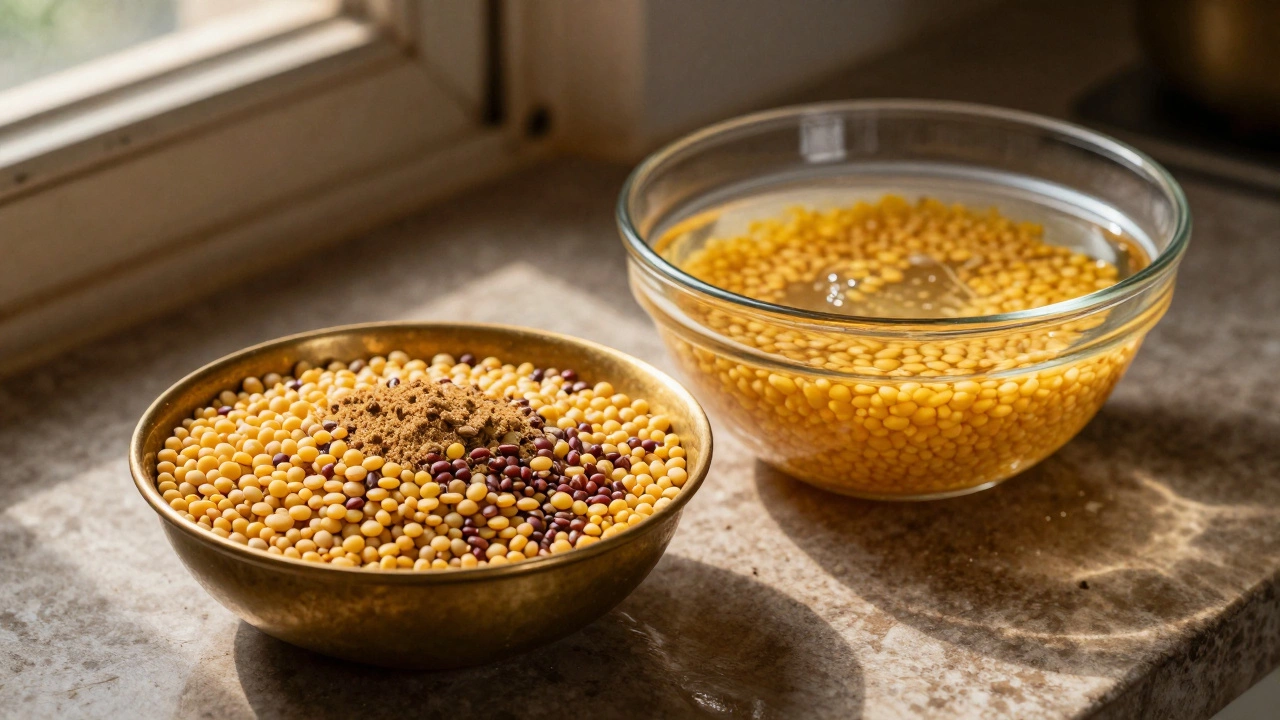
When you dry soak lentils, water penetrates the seed coat and softens the starches inside. This process, called rehydration, prepares the grain to expand evenly during cooking. Without this head start, the outer layer of the dal cooks much faster than the center. This creates a phenomenon known as "mealy" or "chalky" texture.
Imagine biting into a piece of chicken that is burnt on the outside but raw in the middle. That is essentially what happens with unsoaked dal, especially thicker varieties like toor dal (pigeon pea) or chana dal (split chickpea). The exterior disintegrates into a mush while the core remains a hard, gritty lump. In a creamy dal tadka, this ruins the consistency. You end up with a soup that has strange, hard bits floating in it rather than a smooth, velvety curry.
For thinner lentils like masoor dal (red lentil), the impact is less severe because they naturally break down quickly. However, even red lentils benefit from a brief rinse and soak to ensure they cook uniformly. If you skip soaking masoor dal, you might find the cooking time extends by 10-15 minutes, and the final dish may lack that signature melt-in-your-mouth quality.
The Digestive Toll: Gas, Bloating, and Antinutrients
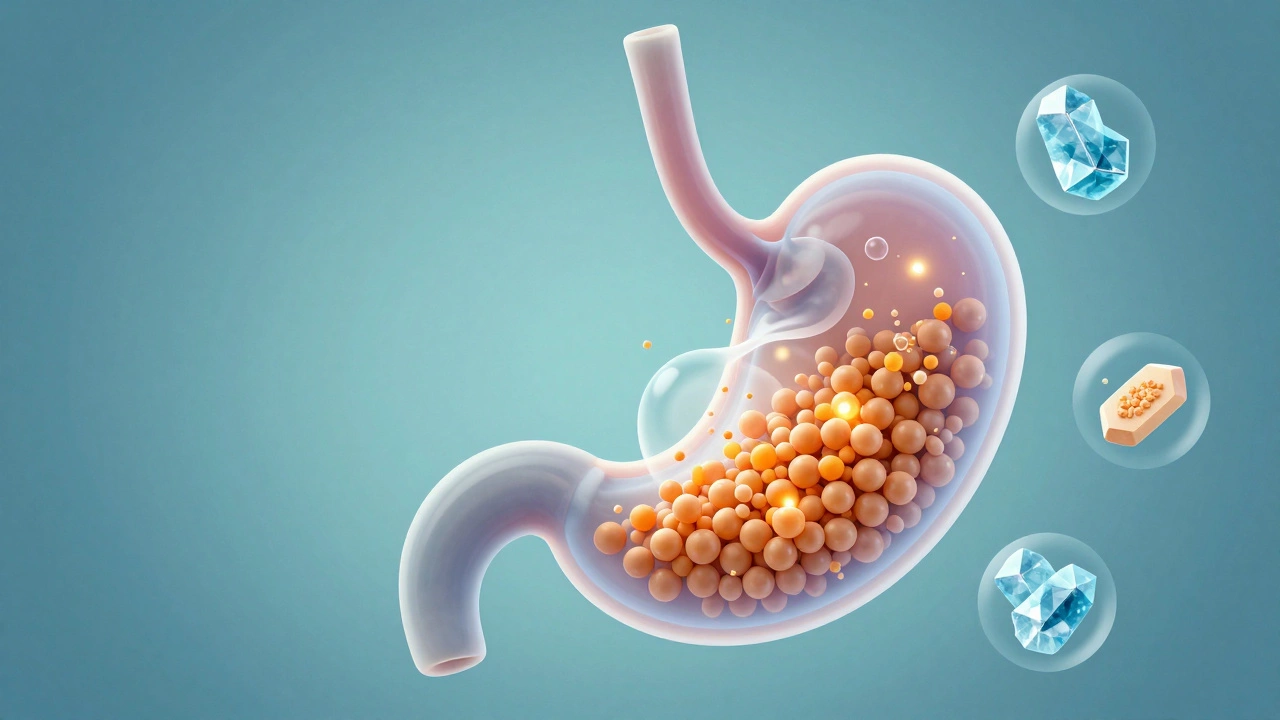
This is where skipping the soak matters most. Lentils contain two main culprits that cause digestive distress: oligosaccharides and phytic acid. Oligosaccharides are complex sugars that human enzymes cannot break down in the small intestine. They travel to the large intestine intact, where gut bacteria ferment them. This fermentation produces gas-hydrogen, methane, and carbon dioxide.
Soaking activates natural enzymes within the lentil that begin breaking down these complex sugars before you even turn on the stove. It also leaches out some of the phytic acid, an antinutrient that binds to minerals like iron, zinc, and calcium, preventing your body from absorbing them. By not soaking, you are consuming higher levels of both the gas-producing sugars and the mineral-blocking acids.
If you have a sensitive stomach or conditions like IBS (Irritable Bowel Syndrome), eating unsoaked dal can lead to noticeable bloating, cramping, and excessive flatulence within hours of eating. For those with robust digestion, it might just feel like mild heaviness, but over time, regularly consuming unsoaked legumes can contribute to chronic nutrient deficiencies due to the high phytic acid content.
| Dal Variety | Cook Time Increase | Texture Change | Digestive Impact |
|---|---|---|---|
| Masoor Dal (Red Lentil) | +5-10 mins | Slightly grainier | Low |
| Toor Dal (Pigeon Pea) | +20-30 mins | Hard centers, mealy | High |
| Chana Dal (Split Chickpea) | +30-45 mins | Very hard, uneven | Very High |
| Moong Dal (Yellow Split Mung) | +10-15 mins | Less creamy | Medium |
Nutrient Loss vs. Retention: What You Miss Out On
There is a common myth that soaking leaches all the nutrients out of the dal. While it is true that some water-soluble vitamins (like Vitamin B1 and C) and minerals wash away into the soaking water, the trade-off is worth it. The reduction in antinutrients (phytic acid and tannins) actually makes the remaining minerals more bioavailable. Your body absorbs more iron and zinc from soaked dal than from unsoaked dal, even if the total amount of iron is slightly lower.
Furthermore, soaking reduces the overall caloric density required for digestion. Because your body doesn’t have to work as hard to break down the complex structures, you may experience less post-meal fatigue. Skipping the soak forces your digestive system to expend more energy, which can leave you feeling sluggish after a heavy dal-based meal.
Emergency Fixes: How to Cook Unsoaked Dal Fast
So, you forgot to soak. Panic mode off. You can still make a decent meal, but you need to adjust your technique. Here are three practical methods to mitigate the damage:
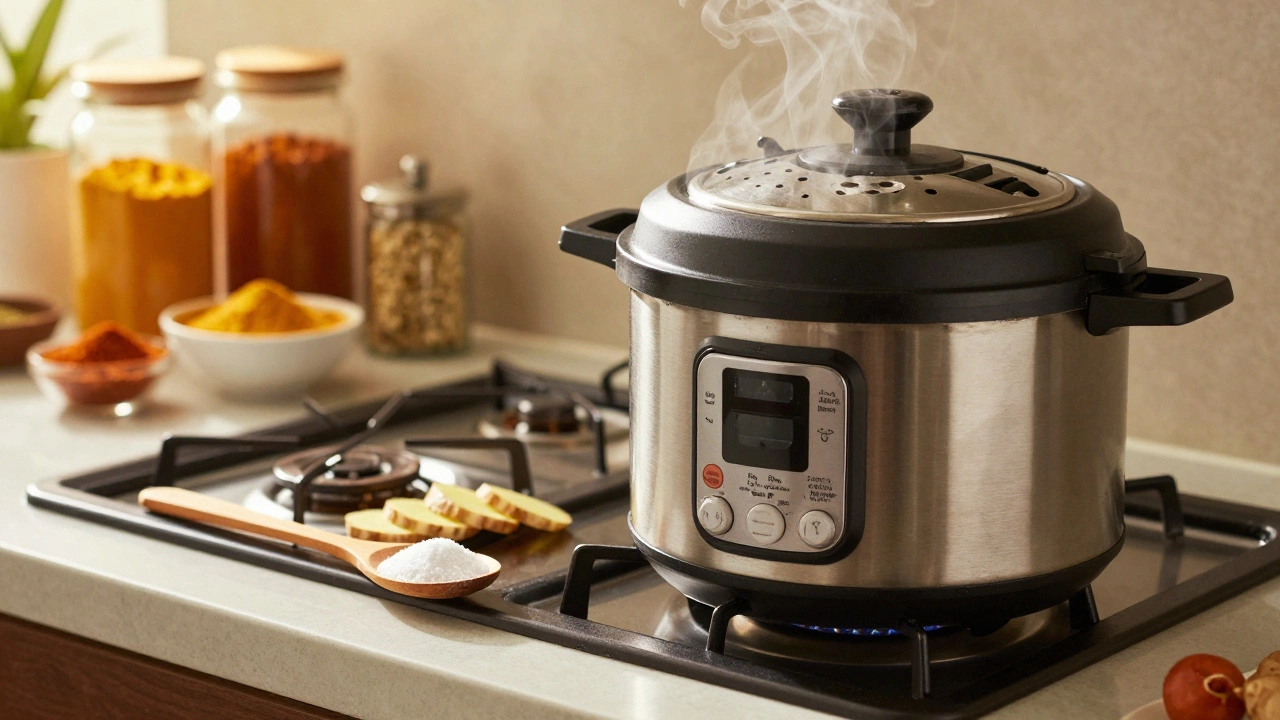
- The Pressure Cooker Hack: If you have a pressure cooker, use it. Add an extra cup of water compared to your usual recipe. Cook on high heat for 3-4 whistles (or 15-20 minutes depending on the dal type). The high pressure forces water into the seeds rapidly, softening them faster than boiling ever could.
- The Baking Soda Trick: Add a tiny pinch (just a tip of the knife) of baking soda to the cooking water. Baking soda raises the pH level of the water, which helps break down the pectin in the lentil skins, softening them significantly. Warning: Use too much, and your dal will taste soapy and lose its vibrant color. A little goes a long way.
- The Blender Method: If the texture is still uneven after cooking, blend the dal thoroughly. This masks the hard centers and creates a smooth consistency. This works best for soups or creamy curries like dal makhani or moong dal khichdi.
Which Dals Can Skip the Soak?
Not all lentils are created equal. Some are thin enough that soaking is optional, though still recommended for best results.
- Red Masoor Dal: These are split and skinless. They cook in 15-20 minutes without soaking. A quick rinse is sufficient.
- Yellow Moong Dal (Split): Similar to masoor, these cook relatively fast. Soaking for 30 minutes improves texture, but it’s not mandatory.
- Whole Green Moong: These require soaking. They are dense and will remain hard and difficult to digest if cooked dry.
For any dal that is whole (with skin) or thick (like chana or kabuli chana), soaking is non-negotiable for a good culinary and digestive experience.
Pro Tips for Better Dal Every Time
To avoid the rush next time, try these strategies:
- Overnight Soak: Keep a jar of washed dal in the fridge overnight. In the morning, drain and store the soaked dal in a container. You’ll have pre-soaked dal ready for lunch or dinner.
- Quick Soak Method: Boil the dal for 5 minutes, then turn off the heat and let it sit covered for 30 minutes. This mimics the effects of an overnight soak in a fraction of the time.
- Add Ginger and Asafoetida: Whether you soak or not, adding ginger and asafoetida (hing) during cooking helps neutralize gas-producing compounds and aids digestion.
Skipping the soak saves you 30 minutes of prep time but costs you in texture, nutrition, and comfort. For a simple, delicious dal recipe, taking the time to soak is one of the easiest upgrades you can make to your cooking routine.
Can I eat dal without soaking if I have a pressure cooker?
Yes, you can cook unsoaked dal in a pressure cooker, but it will take longer and may still result in a harder texture. Expect to add 20-30 minutes to the cooking time for thicker dals like toor or chana. The pressure helps soften them, but it doesn't remove the antinutrients that cause gas.
Does soaking dal reduce its nutritional value?
Soaking causes a minor loss of water-soluble vitamins like B1 and C, but it significantly increases the bioavailability of minerals like iron and zinc by reducing phytic acid. Overall, soaked dal is more nutritious because your body can absorb more of the nutrients it contains.
Why does unsoaked dal cause more gas?
Unsoaked dal contains higher levels of oligosaccharides, complex sugars that humans cannot digest. These sugars ferment in the gut, producing gas. Soaking breaks down some of these sugars before cooking, reducing the potential for bloating and flatulence.
How long should I soak different types of dal?
Thin dals like masoor and yellow moong need 30 minutes to 1 hour. Thicker dals like toor, chana, and urad benefit from 2-4 hours. Whole green moong and kidney beans (rajma) should be soaked overnight (8+ hours) for best results.
Can I use baking soda to soften unsoaked dal?
Yes, a tiny pinch of baking soda can help soften unsoaked dal by breaking down the pectin in the skins. However, use it sparingly as too much will give the dal a soapy taste and destroy some B vitamins. It's a last-resort fix, not a regular practice.