What Do Indians Eat for Breakfast? A Regional Guide to Morning Meals
Indian Breakfast Regional Guide
Recommended Meals
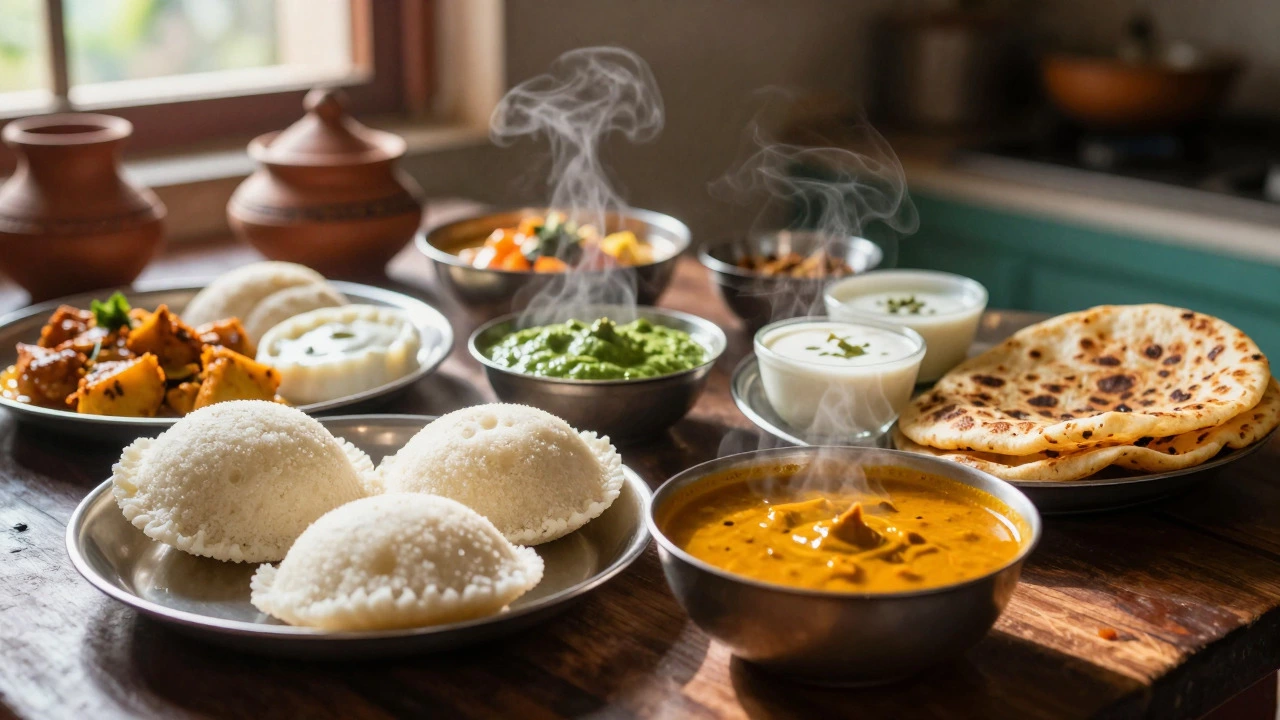
Forget the idea that everyone in India eats the same thing at 8 AM. If you think an Indian breakfast is just a plate of idli and sambar, you are missing out on half the country’s culinary history. The reality is far more colorful, spicy, and diverse. In the north, people might be slurping hot, spiced milk with flaky parathas. In the south, they are steaming rice cakes served with coconut chutney. On the west coast, it’s all about savory pancakes made from rice flour. And in the east? It’s likely a bowl of soft, comforting rice mixed with vegetables or lentils.
Breakfast in India isn't just fuel; it's a cultural ritual that varies wildly depending on where you wake up. This diversity comes from centuries of different agricultural practices, religious influences, and climate conditions. Some regions rely heavily on wheat because it grows well in the cooler northern plains. Others depend on rice, which thrives in the humid south. Even within a single state, your neighborhood can change what ends up on your plate.
Is Indian breakfast healthy?
Yes, traditional Indian breakfasts are often quite nutritious. Dishes like poha (flattened rice) and idli are fermented or lightly cooked, making them easy to digest. They are typically paired with protein-rich lentil curries (sambar) or yogurt (curd), creating a balanced meal. However, modern habits have introduced more fried foods like vada pav, so balance is key.
The Northern Plate: Wheat, Dairy, and Heat
In the northern states like Punjab, Haryana, and Uttar Pradesh, breakfast is hearty and warm. Winter mornings here can be biting cold, so the food reflects that need for warmth. You will see a lot of whole wheat flour, known as atta, being used to make flatbreads. These aren't the thin, crispy tortillas you might find elsewhere; they are thick, soft, and often cooked on a heavy iron griddle called a tawa.
A classic combination is Paratha with Aloo Sabzi. Paratha is a layered flatbread stuffed with mashed potatoes, spices, and sometimes herbs. It is pan-fried with ghee (clarified butter) until golden brown. You eat this with a side of spiced potato curry and a generous dollop of white, creamy dahi (yogurt). The yogurt cuts through the richness of the ghee and balances the heat from the chili peppers in the potato mix.
Another staple is Puri Bhaji. Puri is a deep-fried bread that puffs up into a perfect sphere when dropped into hot oil. It is light and airy inside but crisp on the outside. It is almost always served with bhaji, which is a dry stir-fry of chickpeas or potatoes seasoned with turmeric, cumin, and mustard seeds. This meal is heavier than paratha, so it’s often reserved for weekends or special occasions rather than every weekday.
Dairy plays a huge role here too. Many families start their day with a glass of hot milk sweetened with sugar or jaggery (unrefined cane sugar). Sometimes, this milk is boiled with cardamom, saffron, and nuts to make a richer version similar to chai, but without the tea leaves. This provides immediate energy and comfort before tackling the rest of the day.
The Southern Steamer: Rice, Fermentation, and Coconut
Cross the Vindhya mountains into the south-Tamil Nadu, Kerala, Karnataka, and Andhra Pradesh-and the menu changes completely. Here, rice is king. But it’s not just plain boiled rice. It’s processed, fermented, and transformed into delicate textures that melt in your mouth.
The most famous duo is Idli and Sambar. Idli is a steamed cake made from a batter of rice and black gram lentils (urad dal). The magic happens during fermentation. The batter sits overnight, allowing natural bacteria to break down the starches and proteins. This makes the idli incredibly light, spongy, and easy to digest. It has no strong flavor of its own, which is why it needs partners. Enter sambar, a tangy, spicy vegetable stew made with tamarind pulp and a specific spice powder called sambar podi. The contrast between the bland, fluffy idli and the sharp, complex sambar is addictive.
Then there is Dosa. Think of it as a crepe, but thinner, crispier, and savory. The same fermented rice-lentil batter is spread thinly on a hot griddle and drizzled with oil. As it cooks, it turns golden brown and develops a satisfying crunch. You roll it up and fill it with potato masala (spiced potatoes), or dip it into coconut chutney and sambar. In Kerala, they take this further with Appam, a bowl-shaped pancake with lacy edges and a soft center, usually served with stew made from coconut milk and chicken or vegetables.
Fermentation is a theme across the south. It’s not just about taste; it’s about nutrition. The process increases the bioavailability of nutrients and adds beneficial probiotics to the diet. This ancient technique keeps the gut healthy and ensures that the simple carbohydrates in rice provide sustained energy.
The Western Crunch: Spices, Seafood, and Street Food
Maharashtra and Goa bring a different energy to the table. This region is a melting pot of cultures, including Portuguese influence in Goa and Maratha traditions in Maharashtra. The result is bold flavors, liberal use of garlic, ginger, and red chilies, and a love for street food.
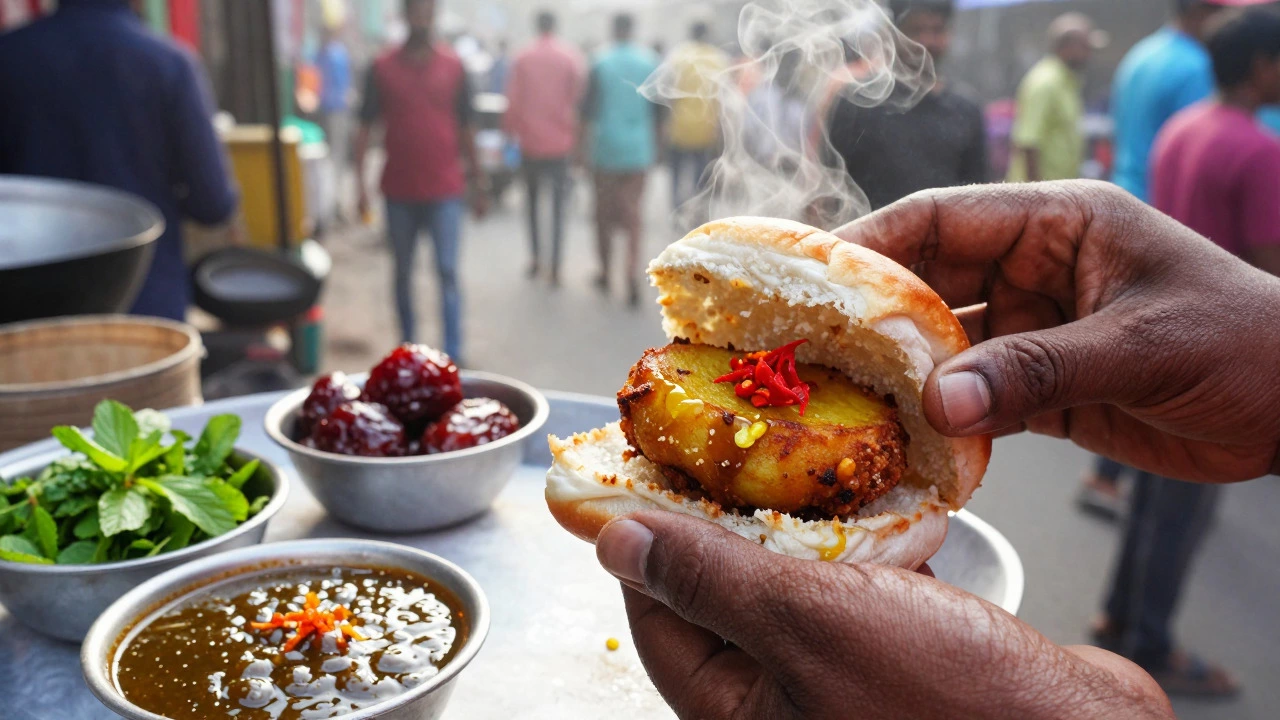
If you walk down any street in Mumbai early in the morning, you will smell Vada Pav. It is essentially an Indian burger. A round fritter made from mashed potatoes and spices (vada) is placed inside a soft bread bun (pav). It is slathered with three types of chutneys: green coriander-mint chutney, tamarind-date chutney (sweet and sour), and a spicy red chili garlic chutney. It’s messy, it’s spicy, and it’s delicious. For many working-class Indians, this is the go-to quick breakfast.
In Goa, the Portuguese legacy shines through in Bebinca, a layered dessert-like cake made from coconut milk, eggs, and sugar. While technically a sweet, it’s often enjoyed in the morning with coffee. More commonly, Goans enjoy Pork Cutlets or fish-based snacks with bread. The use of vinegar and kokum (a sour fruit) gives these dishes a distinct tang that sets them apart from other regions.
Konkan cuisine, found along the coastal strip of Maharashtra and Goa, also features Ambot Tikar, a spicy and sour dish made with raw mangoes, peanuts, and coconut. It’s served with rice or bread and provides a kickstart to the senses with its intense flavor profile.
The Eastern Comfort: Rice, Fish, and Lentils
In West Bengal, Odisha, and Assam, breakfast is gentle and soothing. The focus is on rice and lentils, prepared in ways that are easy on the stomach. The weather here is humid, so heavy, oily foods are less common in the morning.
A typical Bengali breakfast might include Chira, which is flattened rice flakes. These can be eaten dry as a snack, soaked in water and milk with sugar for a sweet porridge, or cooked with vegetables and spices for a savory meal. Another favorite is Luchi, a deep-fried white flour bread that is softer and puffier than puri. It is served with Aloo Dum, a rich potato curry cooked in yogurt and spices.
Fish is a daily staple in Bengal. While fresh fish is more common for lunch or dinner, dried fish or pickled fish (shorshe ilish) might appear in smaller quantities during breakfast, especially if paired with steamed rice. In Assam, Xaak Bhat (vegetable and rice) is a common sight, often accompanied by smoked meat or fish if available.
Sweet elements are also present. Rosogolla or other local sweets might be shared among family members after the main meal, but in moderation. The emphasis remains on balance and digestion.
Quick & Easy Options Across India
Not everyone has time to ferment batter overnight or fry puris every morning. That’s why certain dishes have become national favorites due to their speed and simplicity. These are the "emergency" breakfasts that work anywhere.
- Poha: Flattened rice that is sautéed with onions, peanuts, turmeric, and lemon juice. It takes 10 minutes to make and is popular in Maharashtra and Madhya Pradesh.
- Upma: Semolina (suji) cooked with vegetables, mustard seeds, and curry leaves. It’s a quick, one-pot meal that’s filling and flavorful.
- Chilla: Savory pancakes made from besan (gram flour) or spinach. They are gluten-free, high in protein, and can be stuffed with paneer (cottage cheese) or vegetables.
- Pancakes: Yes, even in India, western-style pancakes are gaining popularity, especially among younger generations who blend global tastes with local ingredients like banana or chocolate chips.
Drinks That Start the Day
You can’t talk about Indian breakfast without mentioning drinks. Water is essential, but flavored beverages are part of the culture.
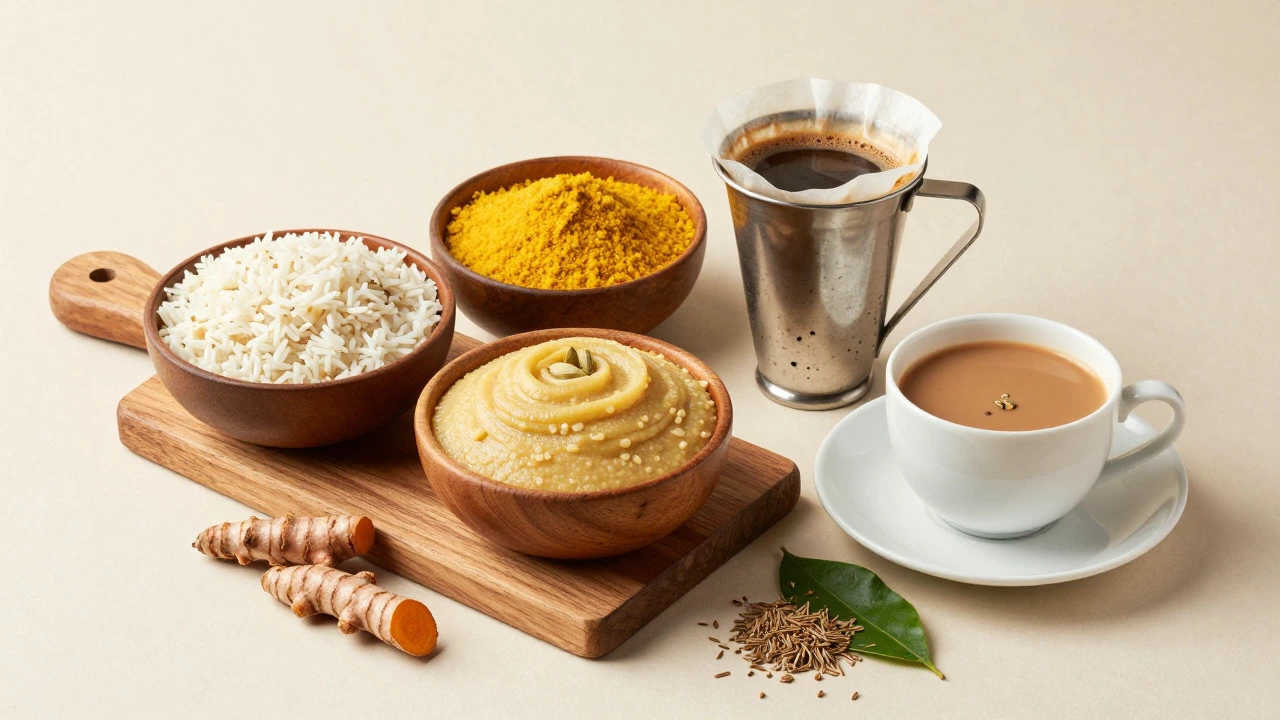
Masala Chai is non-negotiable for millions. It’s black tea brewed with milk, sugar, and a blend of spices like cardamom, cinnamon, cloves, and ginger. It’s strong, sweet, and aromatic. You sip it slowly while chatting with family or reading the news.
In the south, Filter Coffee is the pride of the home. Made using a metal filter press, it’s strong, frothy, and sweet. It’s served in small steel tumblers and is considered superior to instant coffee by purists.
For those avoiding caffeine, fresh fruit juices are common. Orange, carrot, beetroot, and watermelon juices are widely available. Homemade buttermilk (chaas) is another refreshing option, especially in hotter months. It’s salty, spiced with cumin and mint, and aids digestion.
Modern Shifts and Global Influences
Like everywhere else, urbanization is changing breakfast habits in India. In cities like Bangalore, Delhi, and Mumbai, you’ll find cafes serving avocado toast, smoothie bowls, and bagels alongside traditional idlis. Young professionals often opt for protein shakes or oatmeal due to busy schedules and health consciousness.
However, tradition persists. Even in metropolitan areas, many households maintain the practice of eating homemade food. The rise of cloud kitchens and delivery apps has made it easier to order authentic regional breakfasts without leaving home. You can get Kerala appam delivered to your door in New York or London, thanks to this connectivity.
This blend of old and new creates a unique dining landscape. You might have a dosa for breakfast, a salad for lunch, and biryani for dinner. The flexibility allows people to enjoy both heritage and convenience.
How to Cook Simple Indian Breakfast at Home
If you want to try making some of these dishes yourself, start with something simple. Here’s a basic guide to making Besan Chilla, a quick and nutritious option.
- Mix 1 cup of besan (gram flour) with 1 cup of water to form a smooth batter. Add salt, turmeric, chopped onions, green chilies, and cilantro.
- Heat a non-stick pan over medium heat. Pour a ladleful of batter and spread it into a circle.
- Drizzle a little oil around the edges. Cook until the bottom is golden brown, then flip and cook the other side.
- Serve hot with mint chutney or ketchup.
This recipe requires no fermentation and takes less than 15 minutes. It’s a great way to introduce yourself to Indian breakfast flavors without complexity.
Are Indian breakfasts vegetarian?
Most traditional Indian breakfasts are vegetarian, especially in the south and east. However, in coastal regions like Kerala and Goa, fish or seafood may be included. In the north, egg-based dishes like omelets with paratha are also common. Non-vegetarian options exist but are less dominant in morning meals compared to lunch or dinner.
What is the most popular Indian breakfast nationwide?
While preferences vary by region, Idli-Sambar and Dosa are arguably the most recognized and consumed across India. Their mild flavors and adaptability make them appealing to diverse palates. Poha and Upma are also extremely popular due to their ease of preparation.
Can I eat Indian breakfast every day?
Absolutely. Traditional Indian breakfasts are designed to be daily meals. They offer a good balance of carbohydrates, proteins, and fats. Just ensure variety to avoid monotony and monitor portion sizes if consuming fried items like puri or vada regularly.
Why is fermentation important in Indian breakfast?
Fermentation enhances nutritional value by increasing vitamin content and improving digestibility. It breaks down anti-nutrients found in grains and legumes, making minerals like iron and zinc more accessible to the body. It also adds probiotics, supporting gut health.
Where can I buy authentic Indian breakfast ingredients?
You can find ingredients like urad dal, rice flour, besan, and spices at Indian grocery stores, Middle Eastern markets, or online retailers specializing in international foods. Major supermarkets in large cities often carry a selection of these items in their ethnic food aisles.