What Chemicals Are Manufactured in India? Key Industries & Products
Indian Chemical Industry Explorer
Explore the diverse landscape of India's chemical manufacturing sector. Filter by industry segment or search for specific products to discover their uses and primary production regions.
Inorganic Chemicals
Bulk commodities essential for other industries like agriculture and metal finishing.
Sulphuric Acid
Used in battery electrolytes, phosphate fertilizers, and metal finishing.
Gujarat MaharashtraCaustic Soda
Critical for soap making, paper pulp processing, and textile dyeing.
GujaratAmmonia
Primarily used for urea production, supporting agricultural demand.
Gujarat RajasthanChlorine
Used in water treatment and PVC production.
GujaratPetrochemicals
Derived from crude oil and natural gas; basis for plastics, fibers, and rubbers.
Ethylene
Building block for polyethylene (packaging, pipes).
Gujarat MaharashtraPropylene
Feeds into polypropylene for automotive parts and appliances.
Gujarat Tamil NaduBenzene
Precursor for styrene, used in polystyrene production.
Maharashtra KarnatakaAgrochemicals
Fertilizers and pesticides essential for protecting crop yields.
Urea
The most produced fertilizer in India.
Gujarat Andhra PradeshDiammonium Phosphate (DAP)
Second most produced fertilizer, crucial for phosphorus supply.
Gujarat RajasthanGlyphosate
Major herbicide produced in large volumes.
GujaratChlorpyrifos
Widely used insecticide for various crops.
GujaratSpecialty Chemicals
High-value, low-volume products tailored for specific applications.
Fluorinated Gases
Eco-friendly alternatives for refrigeration and AC.
GujaratActive Pharmaceutical Ingredients (APIs)
India supplies ~20% of world's generic drug APIs.
Gujarat MaharashtraTextile Dyes
Specialized dyes for the vibrant textile industry.
Tamil Nadu GujaratConsumer Chemicals
Everyday essentials including personal care and cleaning agents.
Surfactants
Key ingredients in shampoos, detergents, and soaps.
Gujarat MaharashtraCosmetic Bases
Emollients, preservatives, and fragrances for skincare.
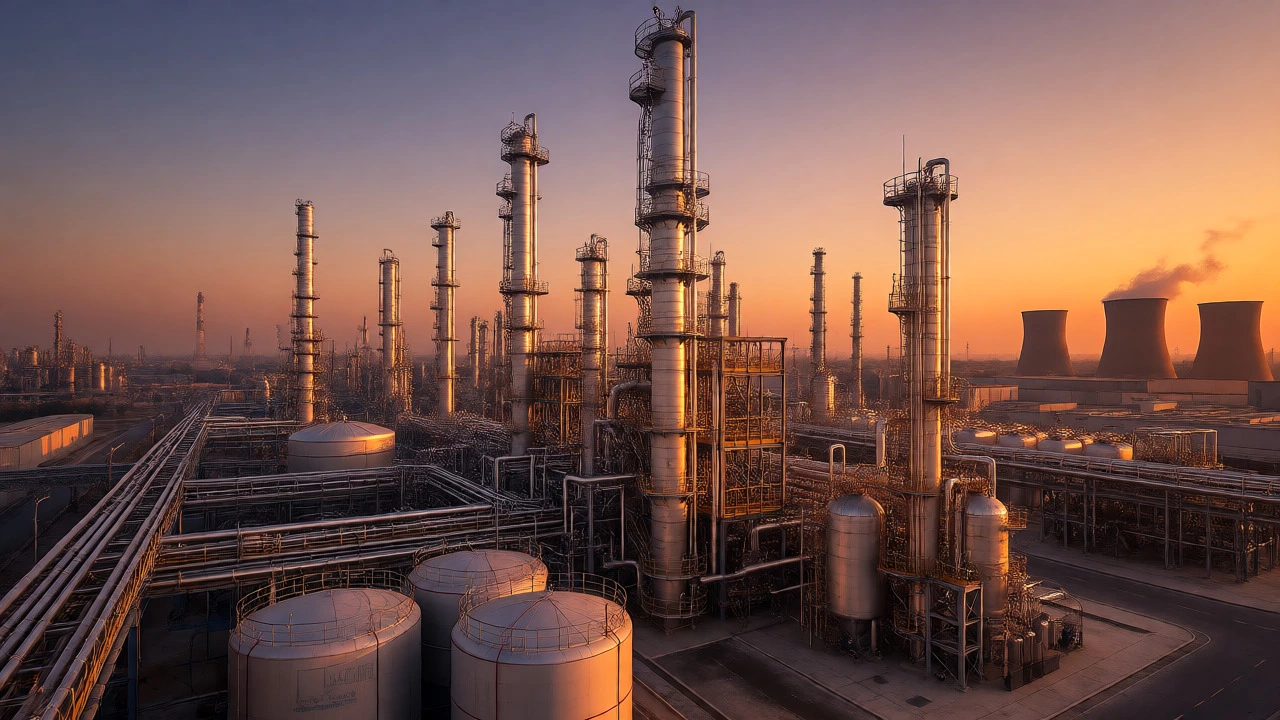
Maharashtra Delhi NCRYou might be surprised to learn that India is the sixth-largest producer of chemicals globally. It’s not just about making medicines anymore. From the fertilizer keeping your crops alive to the polymers in your smartphone case, Indian factories churn out a massive variety of substances. If you’re looking to source materials, start a business, or just understand where your products come from, knowing what this sector actually produces is crucial.
The landscape has shifted dramatically in recent years. Thanks to government initiatives like the Production Linked Incentive (PLI) scheme and a push for self-reliance under "Atmanirbhar Bharat," domestic production has surged. We aren’t just importing raw materials; we are processing them into high-value goods right here. Let’s break down exactly what is being made, sector by sector, so you can see where the opportunities lie.
Inorganic Chemicals: The Backbone of Industry
When people hear "chemicals," they often think of complex organic compounds. But the foundation of the industry is actually inorganic chemistry. These are the bulk commodities that feed other industries. Think of it as the plumbing of the chemical world-essential, unglamorous, but absolutely vital.
Sulphuric Acid is the king here. It’s used in everything from battery electrolytes to phosphate fertilizers. India produces millions of tonnes annually, primarily through plants operated by giants like Tata Chemicals and Gujarat Alkalies. Without it, the entire agriculture and metal finishing sectors would grind to a halt.
Then there’s Caustic Soda (Sodium Hydroxide). This white solid is critical for soap making, paper pulp processing, and textile dyeing. Gujarat is the hub for this, thanks to its abundant salt resources and coastal access for energy-intensive processes. If you’re in the detergent or textile supply chain, you’re likely buying Indian caustic soda.
- Ammonia: Primarily used for urea production, supporting India’s massive agricultural demand.
- Nitric Acid: Essential for explosives and fertilizers.
- Chlorine: Used in water treatment and PVC production.
Petrochemicals: Fueling Growth
If inorganic chemicals are the bones, petrochemicals are the muscles. Derived from crude oil and natural gas, these form the basis of plastics, synthetic fibers, and rubbers. India’s refining capacity has expanded rapidly, with complexes like Reliance Industries’ Jamnagar refinery playing a pivotal role.
The star product here is Ethylene. It’s the building block for polyethylene, which becomes plastic bags, bottles, and packaging films. As e-commerce booms in India, the demand for lightweight, durable packaging materials skyrockets, driving ethylene production.
Another major player is Propylene. This feeds into polypropylene, a versatile plastic used in automotive parts, household appliances, and medical devices. You’ll find propylene derivatives in almost every modern home. The shift toward localizing these intermediates reduces India’s dependence on imports from China and the Middle East.
| Product | Primary Use Case | Major Producing Regions |
|---|---|---|
| Ethylene | Plastic packaging, pipes | Gujarat, Maharashtra |
| Propylene | Automotive components, textiles | Gujarat, Tamil Nadu |
| Benzene | Styrene for polystyrene | Maharashtra, Karnataka |
Agrochemicals: Feeding the Nation
India is an agrarian economy, so it’s no shock that agrochemicals are a massive export category. This isn’t just about killing bugs; it’s about protecting yield in a country with diverse climate zones and crop patterns.
Fertilizers dominate this segment. Urea is the most produced, followed by Diammonium Phosphate (DAP). Companies like IFFCO and Coromandel International run massive plants across states like Gujarat, Rajasthan, and Andhra Pradesh.
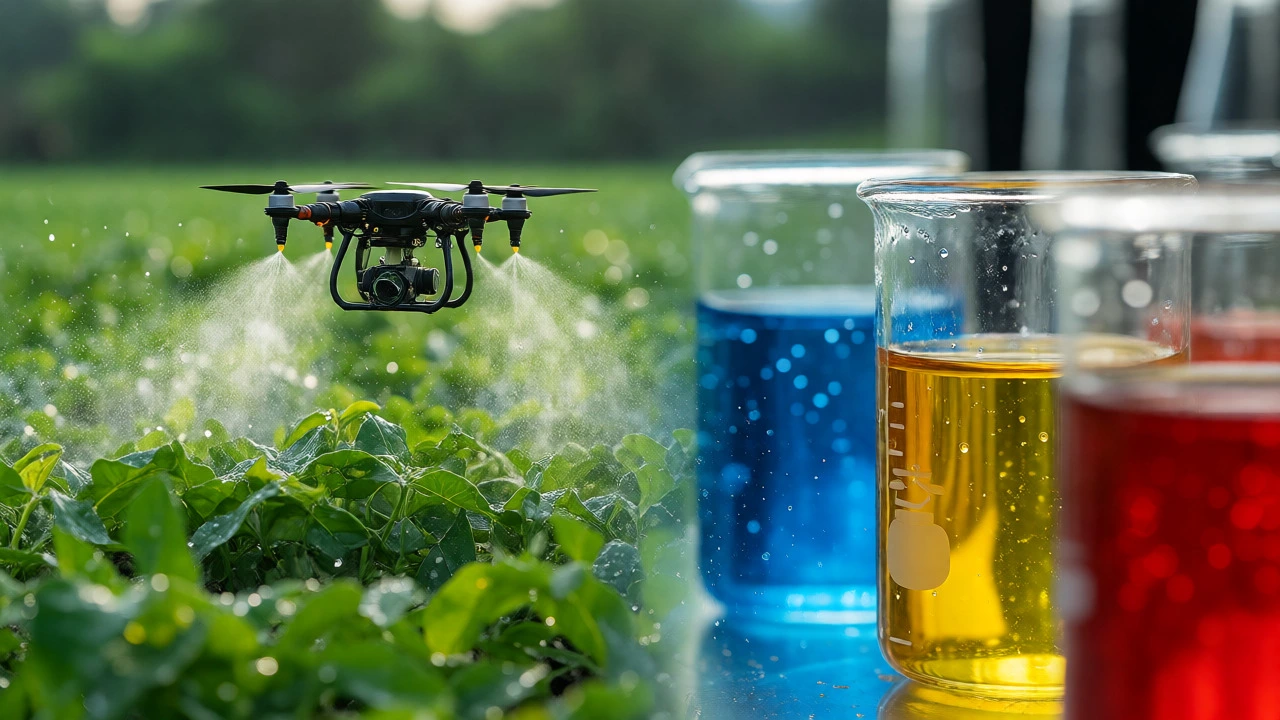
Beyond fertilizers, pesticide manufacturing has seen a tech upgrade. Modern formulations are more targeted, reducing environmental impact. Herbicides like Glyphosate and insecticides like Chlorpyrifos are produced in large volumes. Interestingly, India is becoming a global hub for generic active ingredients, supplying companies worldwide who need cost-effective solutions without compromising quality.
Specialty Chemicals: The High-Margin Frontier
This is where things get exciting for investors and entrepreneurs. While commodity chemicals compete on price, specialty chemicals compete on performance and customization. These are low-volume, high-value products tailored for specific applications.
Think of dyes for the textile industry, additives for paints and coatings, or electronic chemicals for semiconductor manufacturing. Gujarat’s Dahej and Vadodara regions are hotspots for this innovation. Why? Because the ecosystem supports R&D and rapid prototyping.
A prime example is Fluorinated gases used in refrigeration and air conditioning. With stricter environmental regulations phasing out older coolants, demand for newer, eco-friendly alternatives is exploding. Indian manufacturers are stepping up to fill this gap, previously dominated by European and American firms.
Another booming niche is APIs (Active Pharmaceutical Ingredients). While often categorized under pharma, the chemical synthesis involved places them firmly in the specialty chemical domain. India supplies roughly 20% of the world’s generic drug APIs, making it indispensable to global healthcare.
Consumer Chemicals: Everyday Essentials
You interact with consumer chemicals daily, even if you don’t realize it. This sector includes personal care ingredients, cleaning agents, and cosmetics bases. It’s less about heavy industrial processes and more about formulation science and safety standards.
Surfactants are the workhorses here. They lower surface tension, allowing water to mix with oil and dirt. Whether it’s shampoo, laundry liquid, or dish soap, surfactants are key. India produces both anionic and non-ionic surfactants locally, reducing reliance on imported blends.
Cosmetics manufacturing has also surged. With a growing middle class demanding premium skincare, local production of emollients, preservatives, and fragrances has ramped up. Brands like Hindustan Unilever and Dabur have extensive in-house chemical blending capabilities, ensuring consistent quality for millions of consumers.

Regional Hubs and Infrastructure
Where does all this happen? Geography matters in chemical manufacturing due to logistics, water availability, and power costs.
- Gujarat: The undisputed leader. Home to the largest petrochemical complexes and specialty chemical clusters. Ports like Kandla and Mundra facilitate easy export.
- Maharashtra: Strong in pharmaceuticals and fine chemicals, particularly around Mumbai and Pune.
- Tamil Nadu: Known for leather chemicals and dyes, plus a growing presence in electronics chemicals.
- Rajasthan: Emerging as a hub for agrochemicals and inorganic salts, leveraging desert solar energy for cost-effective power.
The government’s creation of dedicated Chemical Parks aims to centralize infrastructure, waste management, and utilities. This clustering reduces individual company overheads and speeds up project approvals. For anyone looking to enter this market, locating within these parks offers significant strategic advantages.
Future Trends: Green Chemistry and Digitization
The industry isn’t static. Two major forces are reshaping what gets manufactured: sustainability and technology.
Green Chemistry principles are pushing manufacturers to reduce hazardous waste and energy use. Water recycling systems and solvent recovery units are becoming standard in new plants. Biodegradable plastics and bio-based solvents are moving from lab curiosities to commercial reality.
Meanwhile, digitization is optimizing production. AI-driven process control helps maintain precise reaction conditions, improving yield and consistency. Predictive maintenance sensors prevent costly shutdowns. Companies adopting these technologies gain a competitive edge in efficiency, which translates directly to better margins.
As global supply chains diversify away from single-source dependencies, India’s robust manufacturing base positions it as a reliable alternative. The combination of skilled labor, scale, and improving regulatory frameworks makes it a compelling destination for chemical sourcing.
Is India self-sufficient in chemical production?
Not entirely. While India is a major producer of basic inorganic and agrochemicals, it still imports certain high-end specialty chemicals and advanced intermediates. However, the gap is narrowing rapidly due to increased domestic capacity and government incentives aimed at import substitution.
Which state is best for chemical manufacturing in India?
Gujarat is widely considered the best state due to its established infrastructure, port access, favorable policies, and dense cluster of suppliers and service providers. Maharashtra and Tamil Nadu are also strong contenders, particularly for pharma-related and textile chemicals respectively.
What are the biggest challenges facing Indian chemical manufacturers?
Key challenges include rising raw material costs, stringent environmental regulations requiring expensive compliance upgrades, and competition from cheaper imports. Additionally, securing skilled technical manpower for specialized roles remains a hurdle in some regions.
How does the PLI scheme help chemical manufacturers?
The Production Linked Incentive (PLI) scheme provides financial incentives based on incremental sales of manufactured goods. For the chemical sector, this encourages companies to expand capacity, adopt advanced technologies, and produce high-value products domestically rather than importing them.
Are Indian chemicals safe for international markets?
Yes, many Indian manufacturers hold certifications like ISO, REACH registration, and FDA approval. Quality standards have improved significantly, with strict adherence to Good Manufacturing Practices (GMP), especially in the pharmaceutical and food-grade chemical segments.