Understanding Food Processing Units: Types, Equipment, and Operations
Quick Takeaways: The Core of Food Production
- Primary Processing: Basic cleaning and grading (e.g., milling wheat into flour).
- Secondary Processing: Creating complex products (e.g., turning flour into bread).
- Tertiary Processing: Ready-to-eat meals and highly processed snacks.
- Key Goal: Extending shelf life while maintaining nutritional value and safety.
The Hierarchy of Processing Units
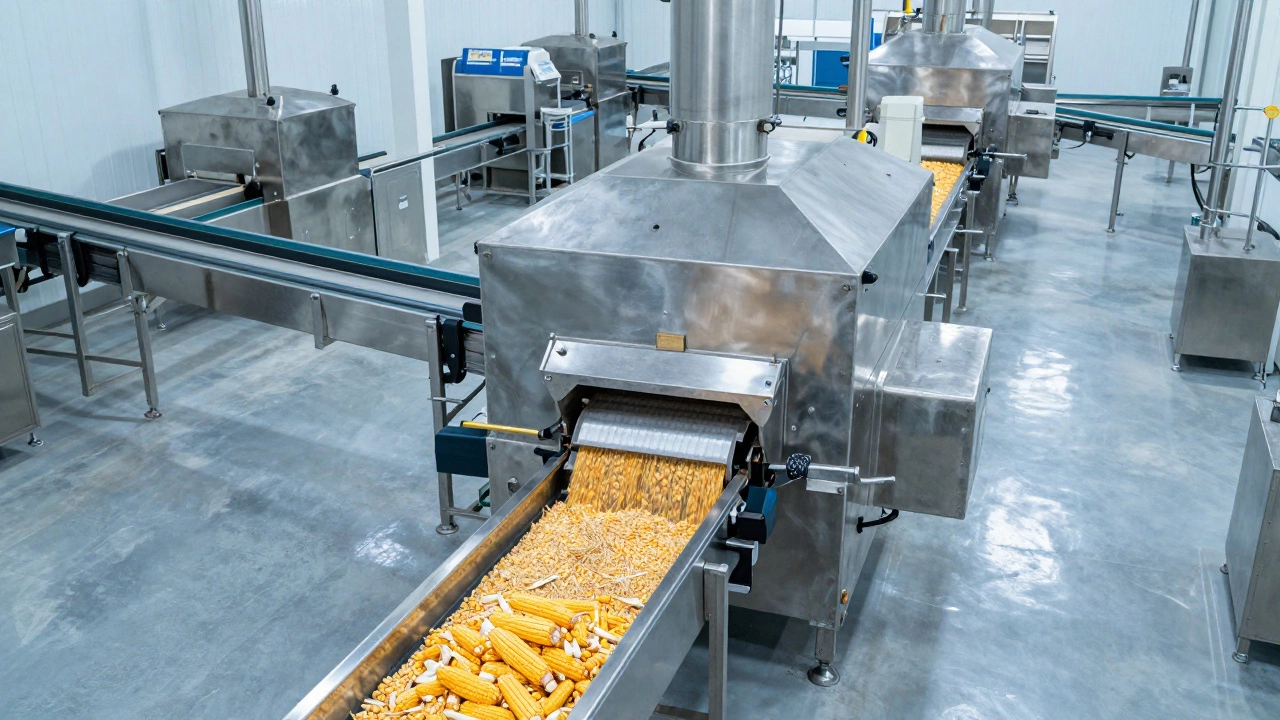
Not all factories are built the same. Depending on what you're making, the "unit" changes entirely. If you are starting a business, you need to know where your product fits in the chain. Primary units are the foundation; they handle the bulk of the raw material. Think of a massive grain elevator or a sugar mill. These units focus on volume. They take raw corn from a field and strip away the husks and cobs, leaving only the kernel. Secondary units are where things get interesting. This is where the flour becomes a cracker or the milk becomes cheese. These facilities require more complex machinery, like industrial ovens and fermentation tanks. Tertiary units, often called "convenience food" plants, are the most complex. They combine ingredients from both primary and secondary stages to create a final meal. For example, a frozen dinner unit needs a blast freezer, a conveyor system, and a precise packaging line to ensure the peas aren't mushy and the meat is cooked.Dairy Processing Units: From Farm to Fridge
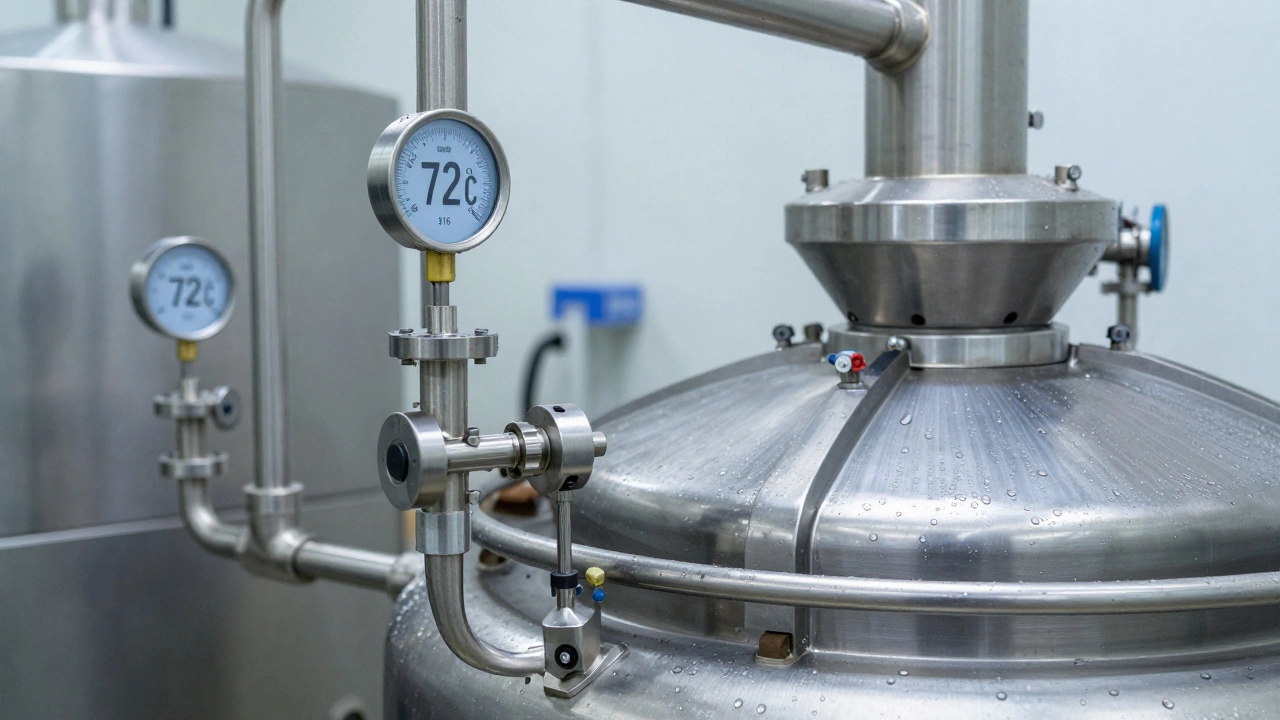
Dairy is one of the most rigorous sectors because milk spoils fast. A dairy processing unit isn't just a room with a fridge; it's a highly sterile environment. The most critical piece of tech here is the Pasteurizer, a device that heats milk to a specific temperature (usually around 72°C for 15 seconds) to kill harmful bacteria without ruining the taste. Once the milk is safe, it moves to separation units. Centrifuges spin the milk at high speeds to separate the cream from the skim. If the unit is producing yogurt, the milk moves into incubation tanks where specific bacterial cultures are added. These units must maintain a strict temperature-often around 40-45°C-for several hours. If the temperature drops by even two degrees, the entire batch could fail to thicken, leading to thousands of dollars in waste.Grain and Cereal Milling Units
When we talk about grain units, we are usually talking about milling. The process starts with a cleaning unit where magnets and sieves remove stones, metal scraps, and weed seeds. This prevents the rollers from being damaged. Next comes the Roller Mill. Unlike the old stone grinders, modern roller mills use pairs of steel cylinders to crack the grain. By adjusting the gap between the rollers, the operator decides if they want a coarse meal or a fine powder. For a high-end bakery, the unit might include a sifting machine that separates the bran (the outer shell) from the endosperm (the white part). This is why you have "whole wheat" versus "white" flour-it's all down to which part of the grain the processing unit keeps.| Unit Type | Primary Objective | Core Equipment | Key Value Addition |
|---|---|---|---|
| Dairy Unit | Sterilization & Separation | Pasteurizer, Homogenizer | Shelf-life extension |
| Milling Unit | Size Reduction | Roller Mills, Sifters | Texture and purity |
| Canning Unit | Hermetic Sealing | Retort, Seamer | Long-term storage |
| Meat Unit | Temperature Control | Blast Chiller, Slicer | Safety & Portioning |
Fruit and Vegetable Processing: The Fight Against Oxidation
Fruit and vegetable units deal with a major enemy: oxidation. The moment you cut an apple, it turns brown. To stop this, processing units use Blanching. This involves dipping vegetables in boiling water for a short time to stop enzyme activity that causes spoilage. For those making jams or juices, the heart of the unit is the evaporator. By boiling off water under vacuum pressure, they concentrate the sugars and flavors without burning the fruit. High-pressure processing (HPP) is a newer trend in these units. Instead of heat, they use extreme pressure (up to 600 MPa) to crush bacteria. This is why your "cold-pressed" juice tastes like a fresh fruit but lasts for weeks in the store.Meat and Poultry Processing: Cold Chain Dominance
In meat processing, the clock is always ticking. The central entity here is the Cold Chain, a temperature-controlled supply chain. The unit is divided into "clean" and "dirty" zones to prevent cross-contamination. In the primary zone, carcasses are chilled in blast coolers to drop the core temperature rapidly. This prevents the growth of pathogens like Salmonella. The secondary zone is where the fabrication happens-automatic slicers and vacuum sealers turn the meat into the cuts you see in the store. Vacuum packaging is a critical step; by removing oxygen, the unit slows down the aerobic bacteria that cause meat to smell and change color.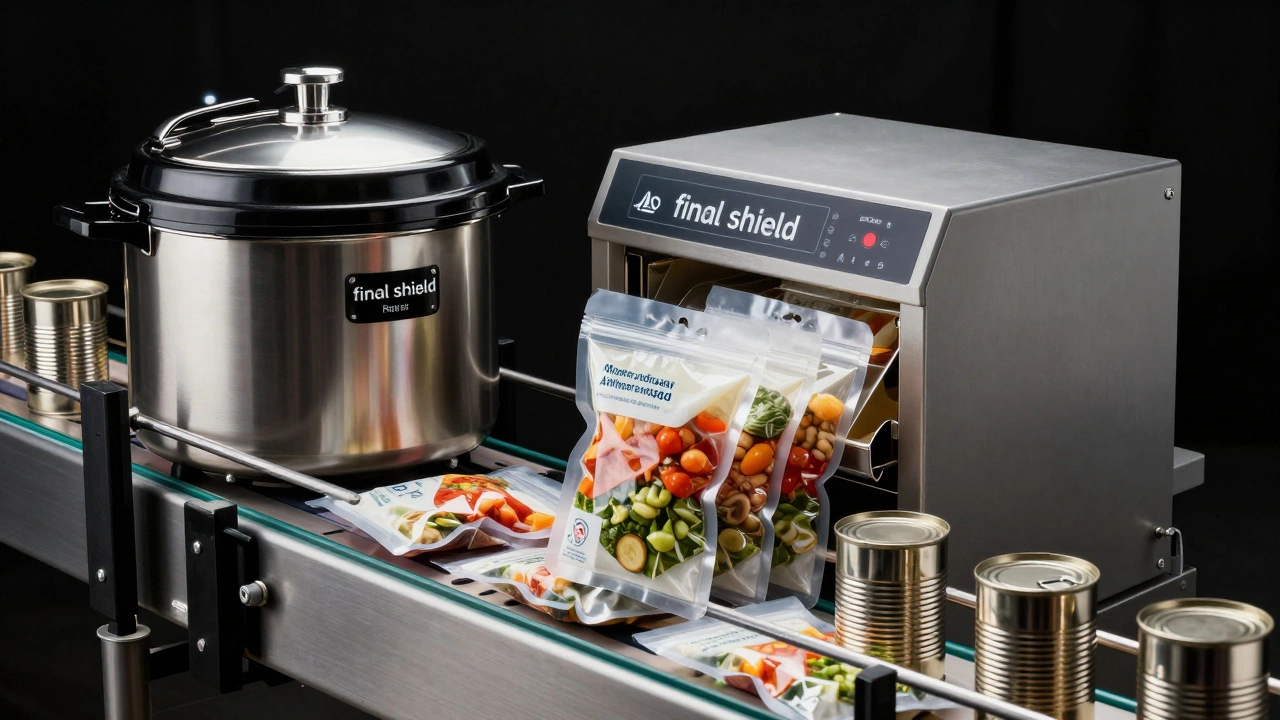
Canning and Packaging Units: The Final Shield
Whether it's a tin of beans or a pouch of soup, the packaging unit is the final line of defense. The most important machine here is the Retort. A retort is essentially a giant pressure cooker that heats the food inside its sealed container. This kills all microorganisms and spores, making the food "commercially sterile." Modern packaging units are moving toward Modified Atmosphere Packaging (MAP). Instead of a vacuum, they replace the air inside a bag with a specific mix of nitrogen and carbon dioxide. This prevents the food from being crushed by a vacuum while still stopping it from spoiling. It's the reason a bag of potato chips stays crisp and doesn't taste like cardboard after a month.Common Pitfalls in Setting Up a Processing Unit
If you're planning to build one of these, don't ignore the "invisible" requirements. Many entrepreneurs buy the flashy machines but forget about the drainage. Food units produce a massive amount of wastewater and organic sludge. Without a proper effluent treatment plant (ETP), you'll be shut down by regulators in a week. Another mistake is poor layout. If your raw material entry is too close to your finished product exit, you risk cross-contamination. This is why professionals use a "linear flow" design-raw materials enter at one end, move through processing, and leave as finished goods at the other end, never crossing paths.What is the difference between a food plant and a food processing unit?
A food plant is usually a general term for the entire facility, including warehouses and offices. A processing unit is the specific section or set of machinery where the actual transformation of the food happens, like the milling section or the pasteurization line.
Which food processing unit is most profitable for beginners?
Secondary processing units, such as small-scale bakeries or spice grinding mills, often have lower entry costs and higher margins than primary units, which require massive amounts of raw material and expensive land.
How do you ensure safety in a food processing unit?
Safety is managed through HACCP (Hazard Analysis and Critical Control Points). This system identifies where risks occur-like a metal fragment falling into flour-and sets "critical limits" (like using a metal detector) to stop the product from reaching the customer.
What is the role of automation in these units?
Automation reduces human contact, which is the primary source of contamination. PLC (Programmable Logic Controllers) manage temperatures and timings precisely, ensuring every batch of cookies or bottles of juice is identical.
What are the most common materials used for equipment?
Stainless steel (specifically grade 304 or 316) is the industry standard. It doesn't react with acidic foods, it's easy to sanitize, and it doesn't rust when exposed to the constant moisture and cleaning chemicals found in food units.