Vegetarian Indian Food: Simple Recipes, Real Ingredients, and Everyday Traditions
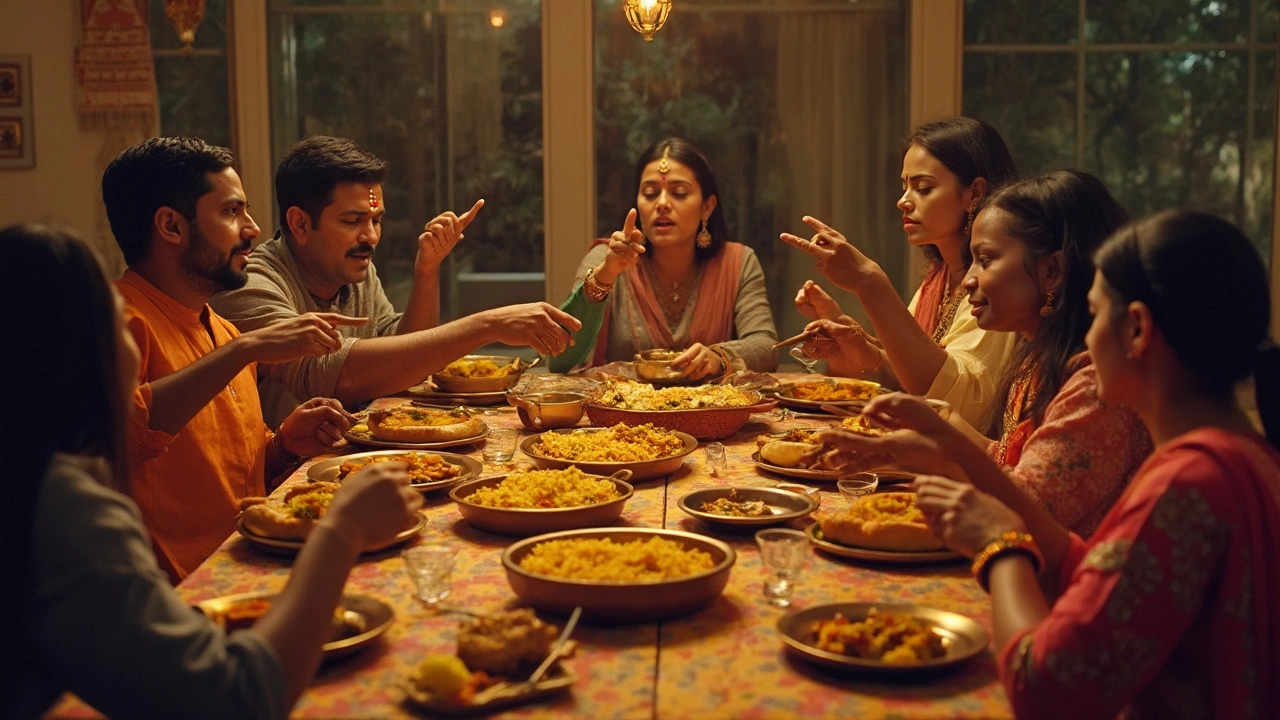
When you think of vegetarian Indian food, a vibrant, spice-rich cuisine built on lentils, legumes, dairy, and seasonal vegetables, not meat. Also known as plant-based Indian cooking, it’s the daily reality for over 400 million people in India who choose this way of eating for culture, religion, or health. This isn’t a trend—it’s a centuries-old system built on balance, availability, and flavor that doesn’t need meat to be satisfying.
At its core, vegetarian Indian food, relies heavily on dairy like paneer and ghee, pulses like urad dal and chana, and grains like rice and wheat. Also known as home-style Indian vegetarian cooking, it’s the kind of food you find in kitchens from Mumbai to Madurai—not restaurants, not fusion, just real, daily meals. Paneer, a fresh, non-melting cheese made by curdling milk with lemon or vinegar. Also known as Indian cottage cheese, it’s the star in dishes like paneer tikka and palak paneer, and you can make it at home with just milk and acid. Urad dal, a black lentil that becomes creamy when soaked and ground. Also known as black gram, it’s the secret behind fluffy dosa and idli batter, and soaking it right is the difference between crisp and soggy. These aren’t exotic imports—they’re pantry staples, used the same way for generations.
Vegetarian Indian food doesn’t need fancy ingredients or long prep. It’s about time, technique, and trust in simple methods: slow-cooked onions for thick curry bases, steam-forged rotis that puff without baking powder, and soaking paneer to stop it from turning rubbery. You’ll find this in the posts below—no fluff, no gimmicks. Just how to make dosa batter ferment right, how much milk you really need for paneer, why Indian breakfasts like poha and upma are perfect energy starters, and how to fix common mistakes that ruin homemade cheese. This isn’t about vegetarianism as a label. It’s about eating well, eating local, and eating like millions do every morning in India.