Traditional Indian Sweets: Recipes, Techniques, and Cultural Roots
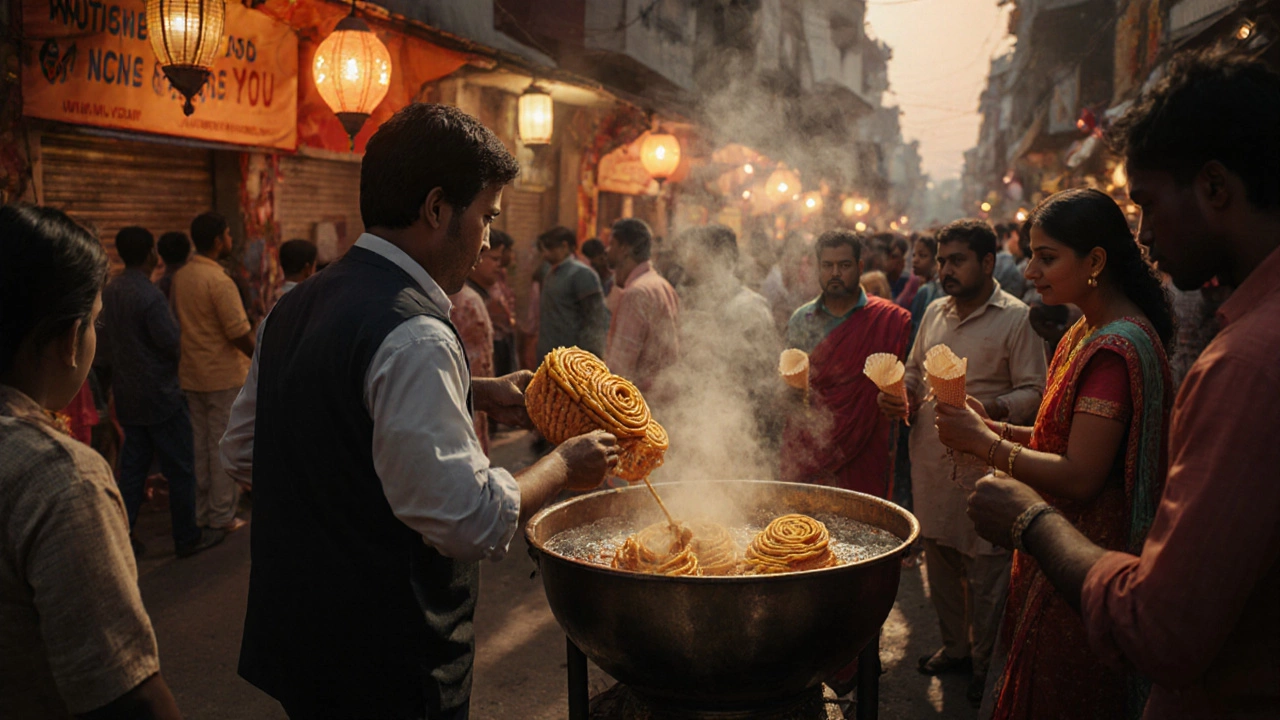
When you think of traditional Indian sweets, a category of handmade, often milk-based desserts deeply tied to festivals, family gatherings, and regional identity. Also known as mithai, they’re not just sugar and spice—they’re culture shaped into bite-sized joy. From the syrup-soaked curls of jalebi to the dense, cardamom-kissed cubes of barfi, each sweet tells a story. These aren’t mass-produced snacks. They’re made in small batches, often by hand, using techniques passed down for generations. The milk is slowly reduced, the sugar syrup is tested by touch, and the frying is timed to the second. No recipe books needed—just memory, instinct, and a steady hand.
What makes these sweets different from Western desserts? It’s not just the ingredients—it’s the process. gulab jamun isn’t baked; it’s fried from khoya, then soaked in sugar syrup until it melts in your mouth. rasgulla isn’t just cheese balls in syrup—it’s about the exact pH of the curdling agent and how long you let the balls absorb liquid. These aren’t tricks. They’re science, refined over centuries. And while modern kitchens use electric mixers and pre-made khoya, the best makers still use clay pots, wood fires, and copper kadhai to get the flavor right. Even the water matters—hard water changes the texture, so many shops use filtered or rainwater.
You’ll find these sweets in temples during Diwali, at weddings as favors, and on street corners at dawn. They’re given as gifts, offered to guests, and eaten to celebrate births, harvests, and victories. The traditional Indian sweets you eat today are the same ones your grandparents ate—maybe even the same recipe, same hands, same pot. But today, there’s more awareness: how to make paneer from scratch, how to soak urad dal for perfect dosas, how to thicken curry without cream. This collection brings together the same practical, no-fluff wisdom for sweets. You’ll learn how much milk you need for paneer (yes, it’s related), why soaking matters, and how to fix rubbery textures. It’s not about fancy ingredients. It’s about getting the basics right—and that’s where the real flavor lives.