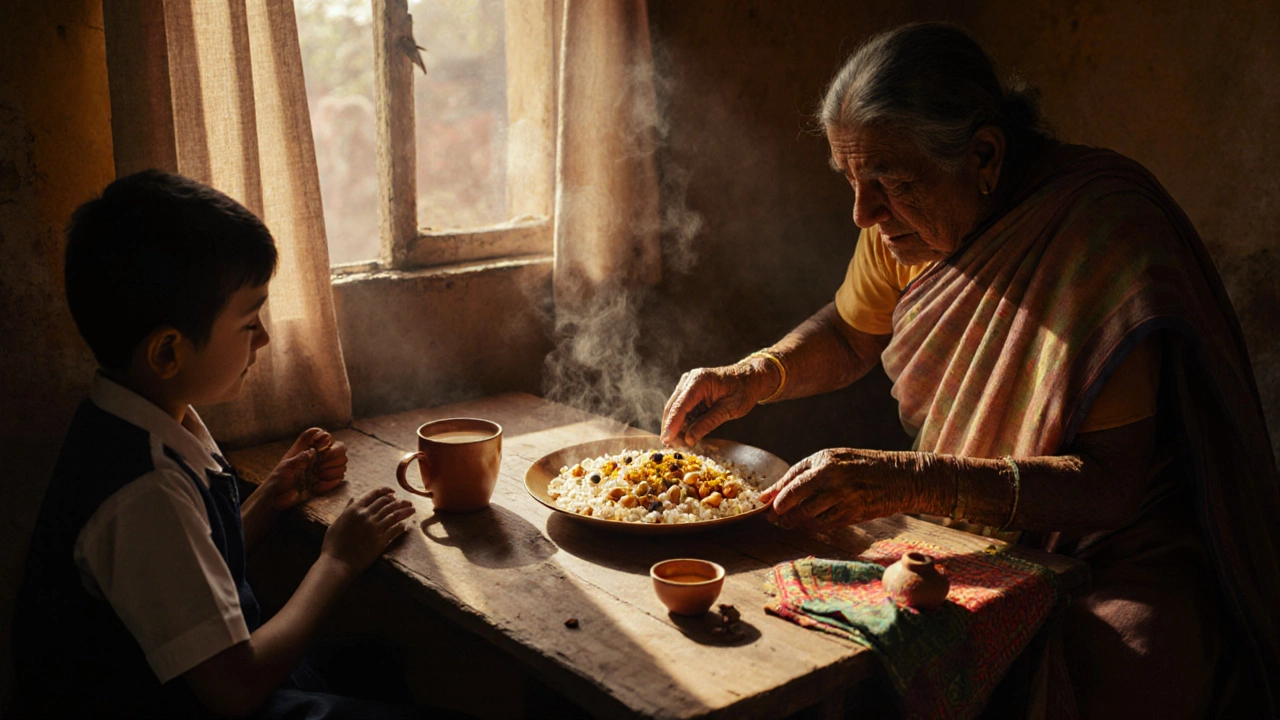
Traditional Indian Breakfast: Real Recipes, Secrets, and Daily Rituals
A traditional Indian breakfast, a daily meal rooted in regional ingredients, fermentation, and time-tested techniques that fuel millions across India. Also known as morning Indian cuisine, it’s not just food—it’s a rhythm shaped by climate, culture, and kitchen wisdom passed down for generations. Unlike Western breakfasts that lean on toast or cereal, this meal is built on texture, fermentation, and balance. Think crispy dosas made from soaked urad dal, a black lentil essential for fermentation and fluffiness in South Indian batter, paired with coconut chutney and sambar. Or soft, homemade paneer, a fresh Indian cheese made by curdling milk with lemon juice or vinegar, fried lightly and served with spicy gravy. These aren’t weekend treats—they’re Monday morning staples.
The magic behind these meals isn’t in fancy equipment or imported ingredients. It’s in patience. Soaking urad dal for exactly 6 to 8 hours makes the difference between a flat, dense dosa and one that puffs up like a cloud. Not soaking long enough? The batter won’t ferment right. Soak too long? It turns slimy and smells off. It’s the same with paneer—soaking the curdled cheese in warm water for 20 minutes removes bitterness and turns rubbery cubes into tender bites that soak up flavor. These aren’t tips from a chef’s blog—they’re the rules every Indian household learns by doing, not reading.
What you won’t find in a traditional Indian breakfast? Baking powder in roti. No cream in curry. No toast. The fluffiness in roti comes from steam and a hot tawa, not chemicals. The thickness in curry comes from slow-cooked onions and tomatoes, not flour or cream. Even the spices are chosen for function, not just heat—asafoetida replaces garlic in many homes, and cumin seeds sizzled in oil kick off the flavor before anything else hits the pan. This is food designed for digestion, energy, and lasting satisfaction—not just taste.
Across India, breakfast changes with the region: in the North, you’ll get parathas stuffed with potatoes or paneer; in the East, pithas and chira-muri; in the West, sev puri or dhokla; and in the South, idlis with coconut chutney. But they all share one thing: they’re made from scratch, every single day. No pre-mixed packets. No frozen dough. Just milk, lentils, rice, and time. And that’s why, even in cities where people work 12-hour days, you’ll still find women waking up at 4 a.m. to soak dal, grind batter, and light the stove. It’s not tradition for the sake of it—it’s because nothing else tastes the same.
What follows are real, tested guides from people who make this food daily—the exact soak times, the milk-to-paneer ratios, the fermentation tricks for monsoon humidity, and why skipping a step ruins the whole meal. No theory. No fluff. Just what works.