Are Tomatoes Safe to Eat in India? Expert Guide to Healthier Choices
Find out if tomatoes are safe in India, learn about pesticide limits, heavy metal risks, and practical tips to choose and clean them safely.
When you buy a tomato in India, you’re not just getting a fruit—you’re getting a product shaped by food safety, the set of practices and regulations designed to prevent contamination and protect consumers. Also known as produce safety, it’s the invisible line between a healthy meal and a hidden risk. Tomatoes are among the most consumed vegetables (yes, botanically a fruit) in Indian homes, used in curries, chutneys, salads, and street food. But with rising demand comes pressure on farmers and suppliers, and that’s where safety starts to slip.
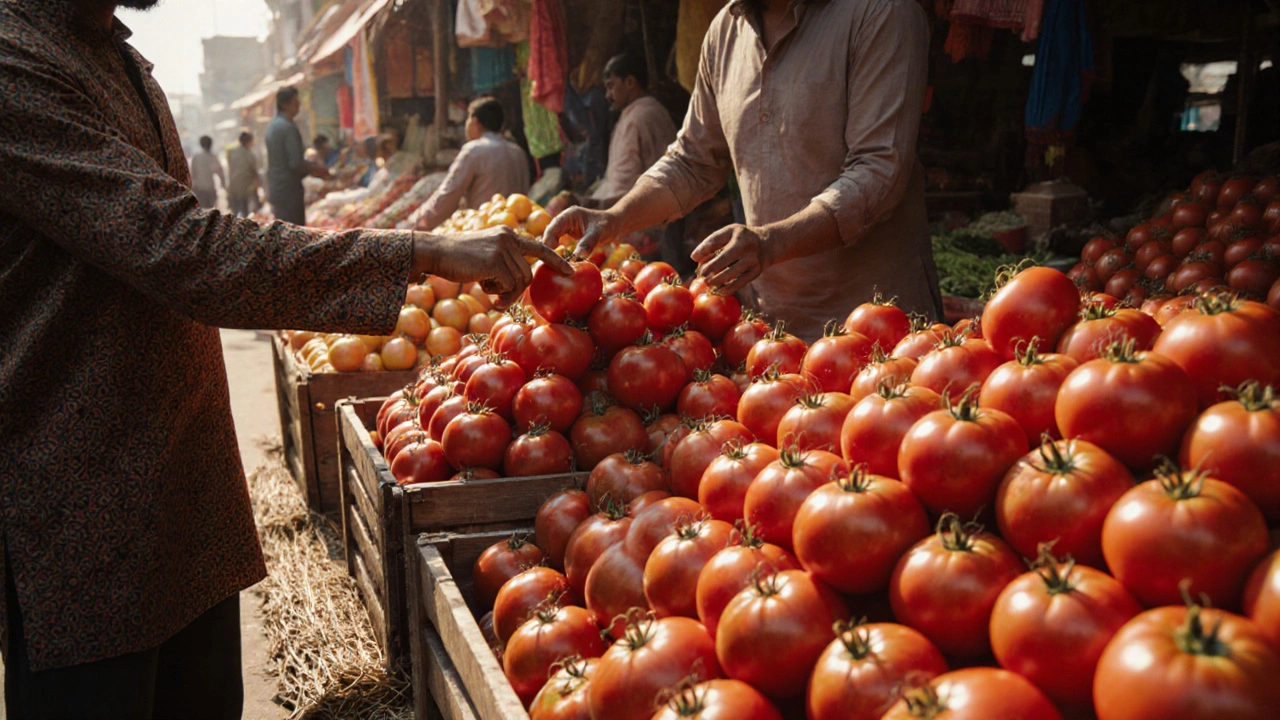
Pesticide residues, chemicals left on crops after spraying to control pests, are one of the biggest concerns. A 2023 study by the Food Safety and Standards Authority of India (FSSAI) found that over 30% of tomato samples from major markets contained pesticide levels above legal limits. Common offenders include chlorpyrifos and carbendazim—chemicals banned in the EU and the U.S. but still used in parts of India due to weak enforcement and lack of awareness. These aren’t just numbers on a report—they end up in your kadhi, your dal, your sandwich. Then there’s food processing, the steps taken to clean, wash, sort, and package tomatoes before they reach shelves. Many small vendors skip proper washing, using dirty water or no water at all. Some even use calcium carbide to ripen tomatoes faster, a practice that leaves toxic residues and is illegal under Indian law. Meanwhile, large manufacturers follow food manufacturing, standardized systems that include sanitation protocols, temperature control, and traceability. But these are mostly limited to packaged sauces, pastes, and canned goods—not the fresh tomatoes you buy at the local market.
So what can you do? Wash tomatoes under running water, scrub them gently with a brush, and peel them if you’re making sauces or baby food. Buy from vendors who store tomatoes away from the ground and don’t pile them too high. Check for odd smells or soft spots—those are signs of spoilage or chemical treatment. And if you’re buying tomato paste or ketchup, look for FSSAI certification on the label. It’s not perfect, but it’s a start.
The posts below dive into how food safety connects to everyday practices—from how restaurants thicken curry bases using tomatoes, to why soaking ingredients like paneer matters, to how chemical use in agriculture impacts what ends up on your table. You’ll find real, practical insights from Indian kitchens and factories—not theory, not hype. Just what you need to eat smarter, cook safer, and understand what’s really going on with your food.
Find out if tomatoes are safe in India, learn about pesticide limits, heavy metal risks, and practical tips to choose and clean them safely.