Teak Wood in Food Manufacturing: Uses, Safety, and Real Applications
When you think of teak wood, a dense, oily hardwood native to Southeast Asia, known for its resistance to water, rot, and insects. Also known as Tectona grandis, it's the go-to material for outdoor furniture, boat decks, and luxury flooring. But in food manufacturing? That’s where things get tricky. Teak wood is strong, long-lasting, and naturally repels moisture—traits that sound perfect for cutting boards, trays, or even conveyor parts in a kitchen. But not all durable wood is safe for food contact.
Food-grade surfaces need more than just strength. They need to be non-toxic, easy to clean, and resistant to bacterial buildup. Teak’s natural oils can slow down microbial growth, which is good. But those same oils can leach into food over time, especially when exposed to heat or acidic ingredients like tomatoes or citrus. In Indian food factories where large batches of chutneys, pickles, or dough are handled daily, even tiny oil residues can affect flavor or trigger allergies. The food-grade plastic, a category of polymers like polypropylene (PP) approved for direct food contact is far more common in commercial settings because it doesn’t degrade or leach. Even stainless steel, the standard material for food processing equipment due to its non-reactive, hygienic surface wins over teak in factories because it can be sanitized with harsh chemicals and steam without damage.
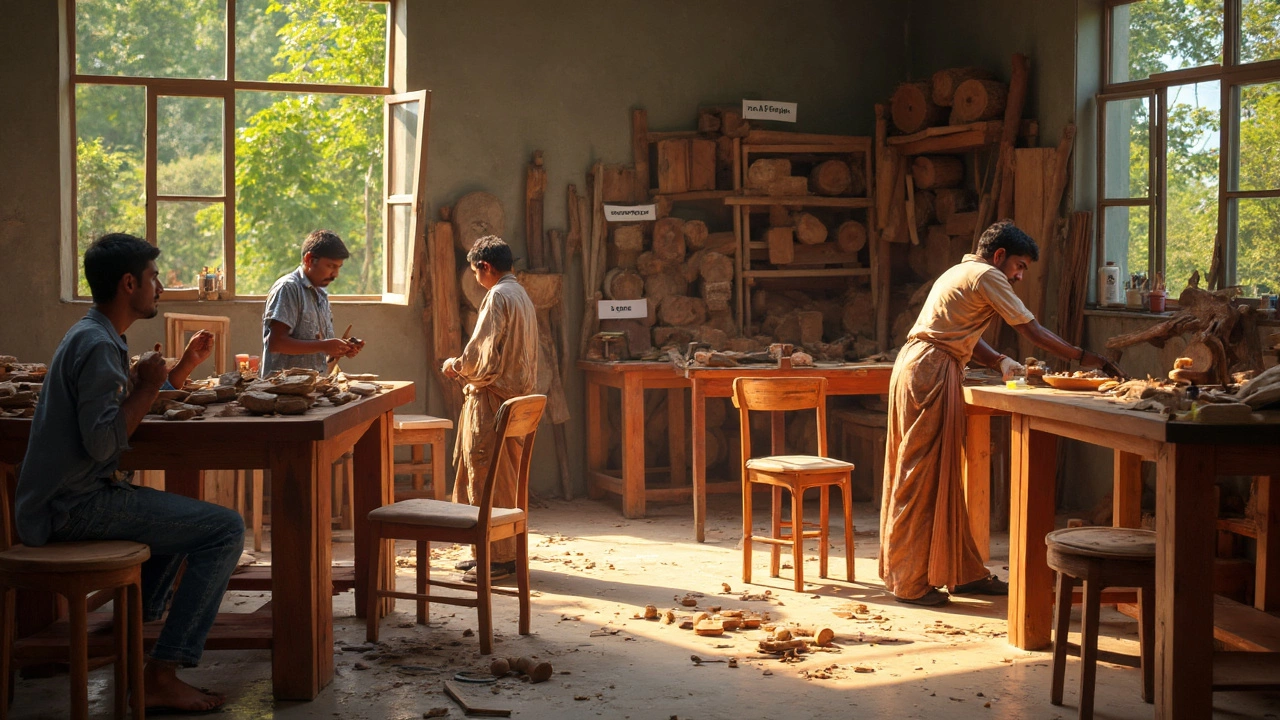
That doesn’t mean teak wood has no place in food production. In small-scale, traditional setups—like handcrafted wooden rolling pins for roti, or carved serving platters for dosa batter—it’s still widely used. Many rural kitchens and artisanal food makers swear by teak’s natural feel and durability. But if you’re running a registered food business under FSSAI standards, you’ll need to prove your wooden tools meet hygiene codes. That means regular sanding, food-safe oil treatments (like mineral oil, not teak oil), and strict cleaning protocols. Most commercial producers skip teak entirely and use molded food-grade silicone or HDPE plastic instead—materials that don’t crack, harbor bacteria, or alter taste.
So where does teak wood fit in today’s Indian food industry? Not on the production line. Not in bulk processing. But maybe on your dining table, holding freshly made paneer or a stack of hot parathas. It’s a cultural artifact more than a manufacturing tool. If you’re thinking of using teak for a home kitchen project, go ahead—but keep it separate from raw meat, acidic sauces, and high-heat prep. And never, ever use untreated teak for anything that touches food for hours at a time.
Below, you’ll find real guides from Indian kitchens and small manufacturers on what materials actually work for food prep—from soaking paneer to choosing the right plastic code, and why some traditions stick around even when science says otherwise.