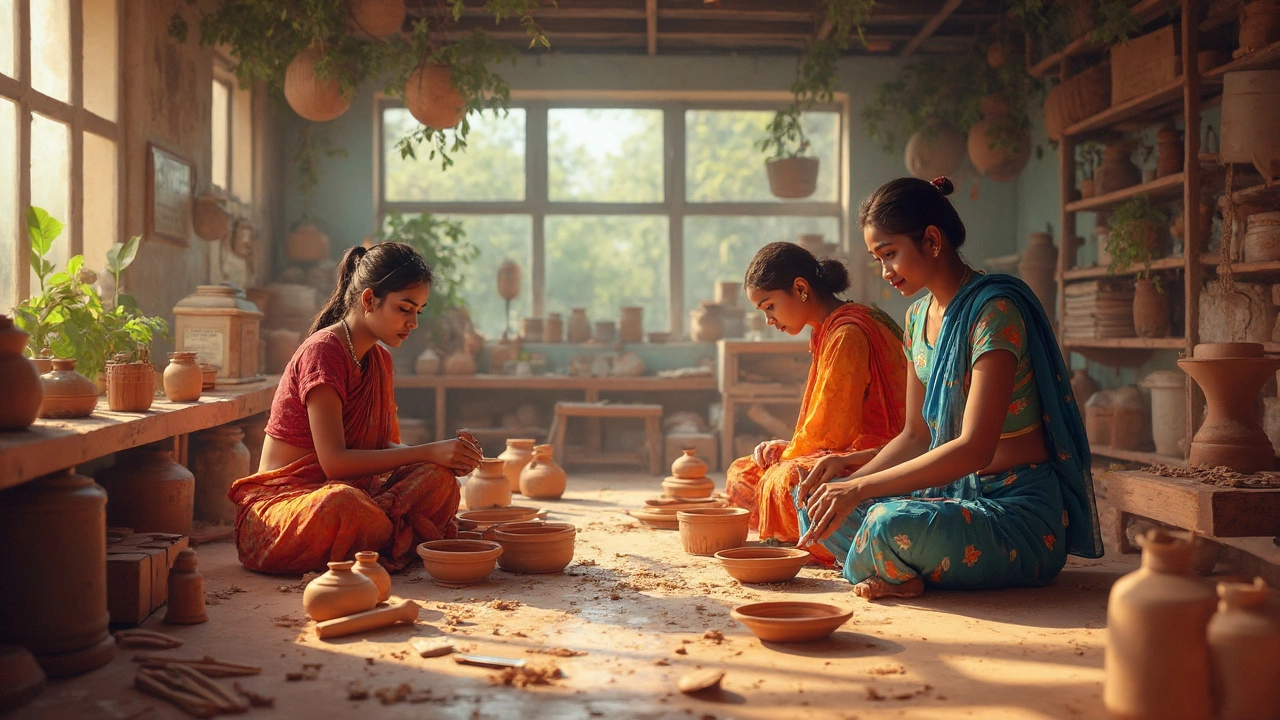
Small Business Ideas in Food Manufacturing: Proven Wins for Indian Entrepreneurs
When you think of small business ideas, profitable, hands-on ventures that require minimal upfront investment and serve real local demand, food manufacturing might not be the first thing that comes to mind. But in India, it’s one of the most reliable paths to building a sustainable business. Unlike trendy online services or dropshipping, food manufacturing taps into a constant need: people eat every day. And with rising demand for packaged, safe, and authentic Indian snacks, dairy, and spices, the opportunity isn’t just big—it’s growing fast.
Successful small scale manufacturing, localized production of food items using simple, scalable techniques doesn’t mean building a factory. It means starting with one product, perfecting it, and selling it locally—then scaling smart. Think homemade paneer, fresh Indian cheese made from milk and acid, widely used in curries and street food sold to neighborhood restaurants. Or urad dal, a key ingredient in dosa and idli batter, requiring precise soaking and fermentation packaged for home cooks who don’t have time to prep from scratch. These aren’t ideas you read about in magazines—they’re the real businesses run by families across Tamil Nadu, Uttar Pradesh, and Maharashtra, turning kitchen skills into steady income.
The best Indian food business, a small enterprise focused on producing traditional or regional Indian food products for sale doesn’t compete with big brands. It outmaneuvers them by being faster, fresher, and more authentic. One woman in Mumbai makes jalebi, a crispy, syrup-soaked sweet enjoyed daily across India every morning and sells it to local tea stalls before 9 a.m. Another in Bangalore packages organic soaked and fermented batter, ready-to-cook mix for dosa and idli, eliminating prep time for busy households and delivers it weekly. These aren’t startups—they’re micro-manufacturers with loyal customers, low overhead, and high margins.
What ties these together? They all solve a real problem: convenience without compromise. People want homemade taste, but they don’t have the time. That’s your opening. You don’t need a fancy machine. You need clean space, consistent quality, and a way to get your product into hands—local shops, WhatsApp orders, weekly markets. The food manufacturing sector in India is full of gaps. No one is packaging fresh paneer with a 7-day shelf life. No one is selling pre-fermented batter in small batches for single households. No one is making spicy, low-oil night snacks that actually help with weight loss.
What follows are real examples of small food manufacturing businesses that work—not because they’re flashy, but because they’re simple, repeatable, and rooted in everyday Indian life. You’ll find ideas that use ingredients you already know, methods you’ve seen in your grandmother’s kitchen, and markets that are waiting for someone to show up with better quality. No investors needed. No tech degree required. Just the right product, sold the right way.