Why Sikhs Avoid Eating Eggs: Religious Beliefs, Traditions, and Facts
Get the real story on why Sikhs skip eggs. Explore Sikh philosophies, traditions, and facts behind this unique dietary choice.
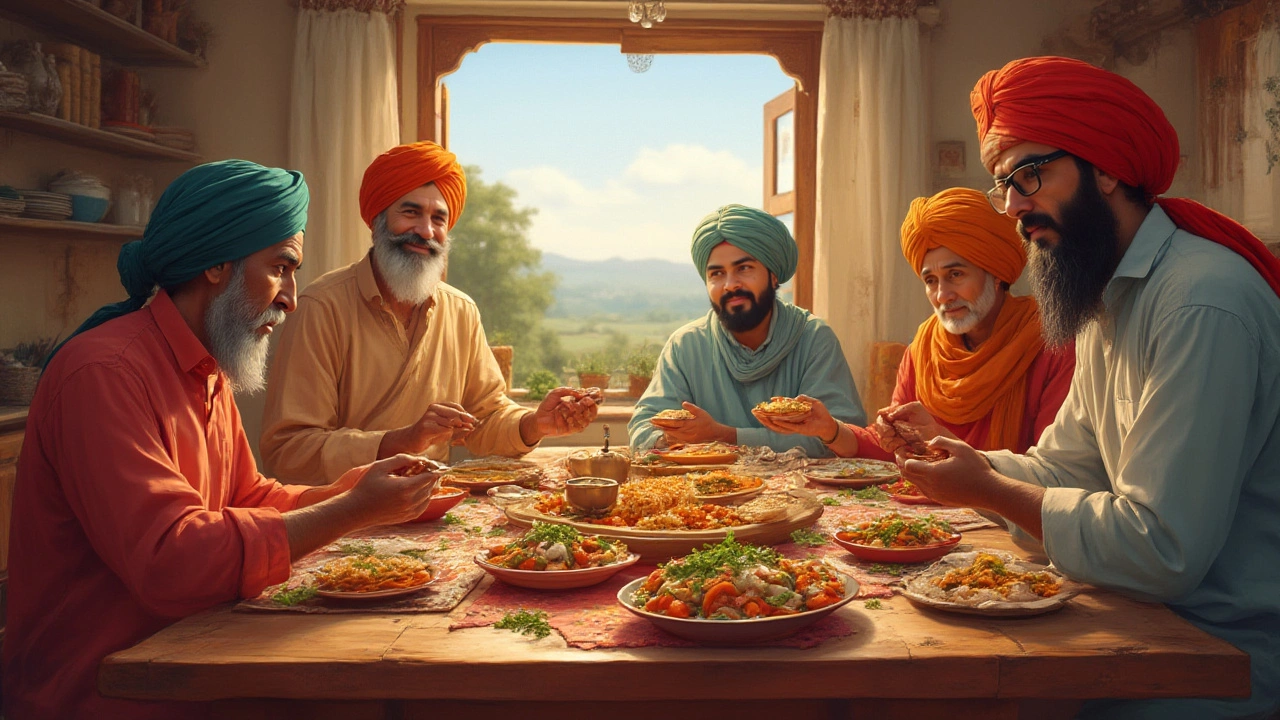
When you think of Sikhism and food, a religious tradition that sees sharing meals as an act of equality and devotion. Also known as Sikh dietary ethics, it’s not just about what’s on the plate—it’s about who sits with you while eating it. At the heart of Sikh belief is the idea that all people are equal before God. That belief doesn’t stay in the temple. It shows up in the kitchen, the community hall, and the daily act of serving food without asking who you are, where you’re from, or what you believe.
The langar, the free community kitchen found in every gurdwara (Sikh place of worship). Also known as Sikh communal dining, it serves thousands every day—rich or poor, Hindu, Muslim, Christian, or none. The food is simple: roti, dal, rice, and sabzi. But the meaning? Deep. No one is served first because they’re important. No one is turned away because they’re different. The langar doesn’t just feed bodies—it breaks down walls. And while many assume Sikhism requires vegetarianism, the truth is more practical than dogmatic. The religion doesn’t forbid meat, but the langar is always vegetarian to ensure no one feels excluded. That’s why you’ll find paneer, urad dal, and spiced lentils in every langar kitchen—not because of religious law, but because of respect. You won’t find garlic or onions in most langar meals either, following a tradition that avoids ingredients believed to stimulate passion or aggression, keeping the focus on calm, clear-minded devotion.
Food in Sikhism isn’t about ritual purity. It’s about presence. It’s about showing up, rolling up your sleeves, and helping serve. That’s why you’ll see people of all ages in gurdwaras washing dishes, stirring pots, or packing meals. It’s not charity—it’s duty. And it’s not rare. In cities like Amritsar, Delhi, or even small towns across Punjab, the langar runs 24/7. It’s one of the largest continuous free food services in the world. This isn’t a cultural footnote. It’s a living system of ethics, made real every morning with a pot of boiling dal and a line of people waiting to eat.
What you’ll find in the posts below isn’t a list of recipes. It’s a look at how faith, food, and daily practice blend together in India. From how paneer is made for langar to why soaking urad dal matters for perfect dosas served in gurdwaras, these stories show how Sikh values shape the way food is made, shared, and remembered. You’ll see how tradition doesn’t sit still—it moves with the kitchen, the grinder, and the hands that serve.
Get the real story on why Sikhs skip eggs. Explore Sikh philosophies, traditions, and facts behind this unique dietary choice.