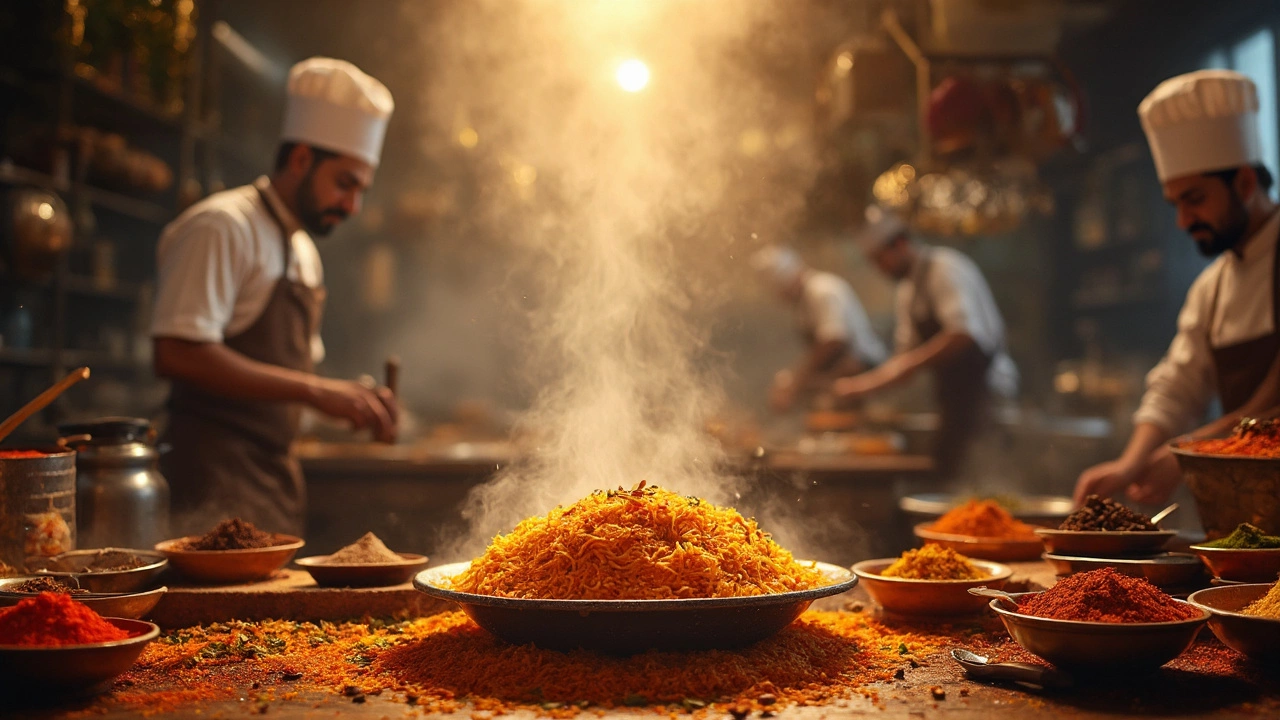
Secret Ingredient: What Makes Indian Food Taste Like It Does
When people ask what the secret ingredient, a hidden element that transforms ordinary dishes into unforgettable meals is in Indian cooking, they’re usually looking for a single spice or miracle powder. But the truth? There’s no magic bullet. The secret ingredient is time—slow-cooked onions, fermented batter, soaked paneer, layered spices, and patience. It’s not something you buy at the store. It’s something you learn by watching, tasting, and doing it again.
Look at the posts here. One explains why soaking urad dal, a key legume used in South Indian batter-based dishes like dosa and idli for exactly 6 to 8 hours makes the difference between rubbery and crispy. Another shows how paneer, a fresh Indian cheese made from curdled milk turns from chalky to creamy after a 15-minute soak in warm water. These aren’t tricks—they’re non-negotiable steps in a chain of actions that build flavor. The real secret? It’s the sequence. You don’t just add cumin. You toast it. You don’t just mix tomatoes. You cook them down until they vanish into oil. That’s the invisible layer—the spice blend, a carefully balanced mix of whole and ground spices unique to each region and family—that’s not listed in the recipe, but it’s what you taste.
And it’s not just about what’s in the pot. It’s about what’s left out. Some Indian kitchens avoid garlic and onion for religious or digestive reasons, and still make rich, deep curries using asafoetida, ginger, and roasted cumin. That’s another kind of secret ingredient: adaptation. Every cook adjusts based on what’s fresh, what’s affordable, what’s passed down. You won’t find this in a cookbook. You’ll find it in the way a grandmother stirs the pot longer than the recipe says. Or how a street vendor lets the yogurt marinate overnight. These are the real lessons.
What you’ll find below isn’t a list of spices. It’s a collection of truths—how restaurants make curry thick without cream, why roti doesn’t need baking powder, how biryani gets its layered depth, and why the best Indian food doesn’t come from a packet. These are the hidden steps, the unspoken rules, the small acts that turn cooking into craft. No fluff. No hype. Just what works, day after day, in kitchens across India.