Rinse Lentils: Why It Matters and How to Do It Right
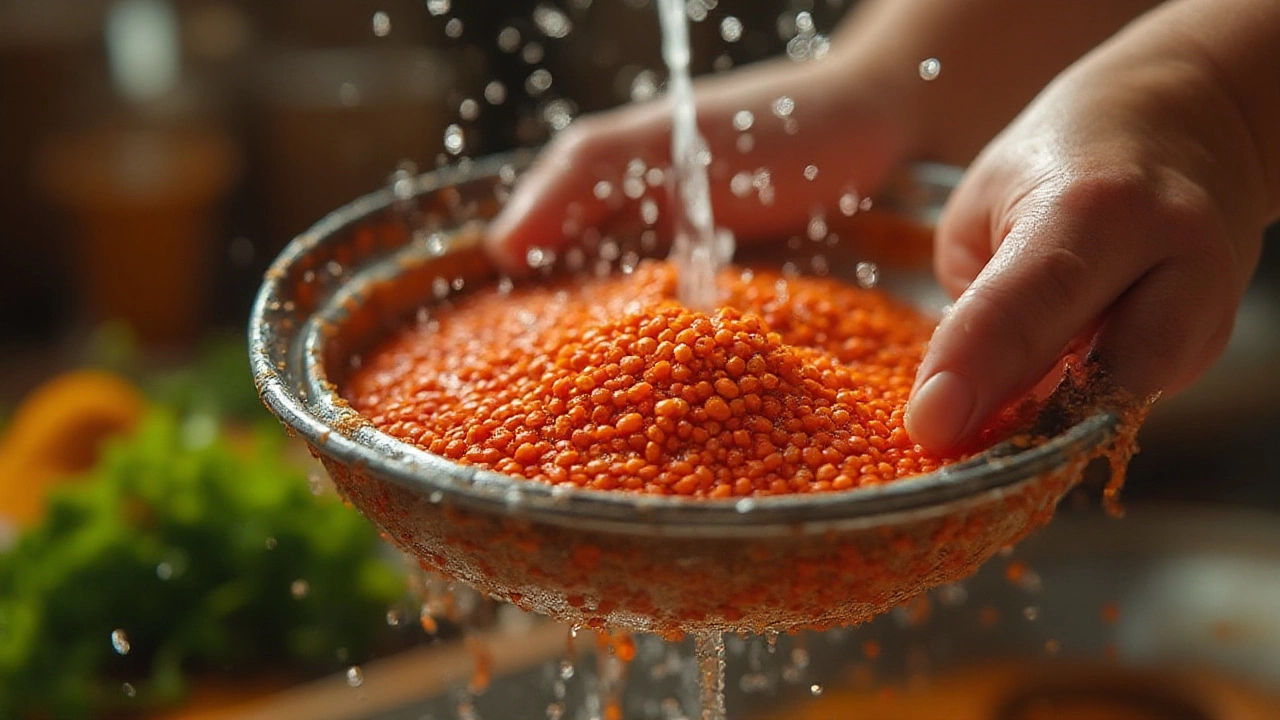
When you rinse lentils, a simple step that removes dust, debris, and potential contaminants from raw legumes. Also known as washing lentils, it’s not optional—it’s essential for safe, clean, and better-tasting meals. Many people skip this step because lentils look clean, but they’re grown in soil, shipped in burlap sacks, and handled by multiple people before they reach your kitchen. A quick rinse under cold water isn’t just about cleanliness—it’s about removing tiny stones, dirt, and even traces of pesticides or mold spores that can survive drying.
Food processing, the series of physical steps used to turn raw ingredients into safe, shelf-stable foods starts long before cooking. In factories, lentils go through cleaning, sorting, and sometimes even air-blowing to remove impurities. But at home, that step falls to you. Skipping it means you might bite into a pebble, or worse—consume something that could upset your stomach. This isn’t theory. A 2022 study in India’s food safety reports found over 12% of unpackaged lentils from local markets contained foreign particles, including small stones and insect fragments.
And it’s not just about safety. Soaking lentils, a common prep method that softens them and reduces cooking time, works better when you rinse first. Dirt and debris can slow down water absorption, leading to uneven cooking. Some lentils, like red or yellow ones, break down easily—rinsing helps them hold shape. Green and brown lentils? They stay firmer, but still need a rinse to remove the dusty film that can make your dal taste muddy.
How do you do it right? Put your lentils in a fine-mesh strainer, run cold water over them for 30 seconds while rubbing them gently with your fingers, then drain. No need to soak unless the recipe calls for it. Don’t rinse in a bowl—you’ll just stir the dirt around. And never skip this step just because you’re in a hurry. The five seconds you save could cost you a bad bite, a stomachache, or a ruined dish.
What you’ll find below are real, tested tips from Indian kitchens and food factories. From how to tell if your lentils need rinsing to why some brands skip cleaning (and how to spot them), these posts give you the practical knowledge you won’t get from a recipe card. Whether you’re making dal, sprouts, or lentil salads, rinsing correctly makes all the difference.