Ricotta: What It Is, How It's Made, and Why It Matters in Indian Kitchens
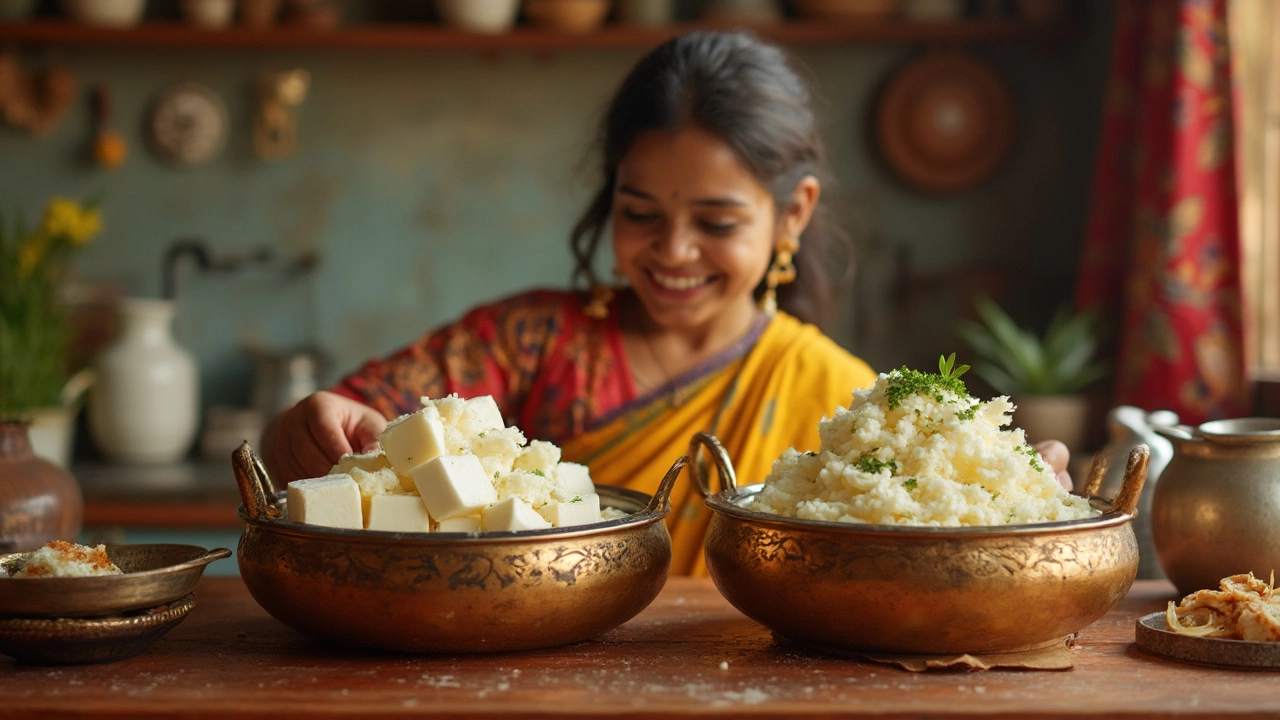
When you think of fresh cheese in India, you probably think of paneer, a firm, non-melting cheese made by curdling milk with acid. But there’s another fresh cheese gaining attention — ricotta, a light, slightly grainy cheese made from leftover whey after cheese production. Also known as recooked cheese, it’s not made from milk alone — it’s born from what’s left behind.
Ricotta and paneer might look similar, but they’re made in totally different ways. Paneer comes from heating whole milk and adding lemon juice or vinegar to separate the curds. Ricotta? It’s made by reheating the whey left over from making other cheeses, like mozzarella or cheddar. That whey still has proteins floating in it — mostly lactalbumin — and when you heat it again, those proteins clump into soft curds. No extra milk needed. It’s recycling at its most delicious. This is why ricotta is lighter, creamier, and less dense than paneer. It’s also lower in fat and doesn’t hold shape when cooked — it melts gently, which is why it’s perfect in pasta fillings, desserts, or even spread on toast.
Here’s the twist: Indian kitchens already know how to make ricotta-style cheese. Think of chhena — the soft curd used in rasgulla and sandesh. Chhena is made by curdling milk with acid, just like paneer. But if you were to take the whey from making chhena, heat it slowly, and strain the tiny curds that rise, you’d get something very close to ricotta. Most people don’t do it — they discard the whey. But in small dairy units and home kitchens experimenting with zero-waste cooking, this is changing. You don’t need fancy equipment. Just a pot, some leftover whey from paneer or chhena, and patience. Heat it to just below boiling, wait for the curds to float, then strain through a cloth. You’ve got homemade ricotta.
Why does this matter now? Because Indian food manufacturing is getting smarter about using every part of the process. If you can make paneer from milk, why not turn the whey into another product? It cuts waste, adds value, and gives home cooks more options. You’ll find ricotta popping up in fusion desserts, stuffed parathas, and even vegan cheese blends. It’s not replacing paneer — it’s adding to the family. And as more people start asking, "Can I make this at home?" — the answer is yes, and you already have the ingredients.
Below, you’ll find real guides on how to make cheese from scratch, fix texture problems, understand dairy ratios, and spot the hidden connections between Indian and Italian cheese traditions. No fluff. Just what works in your kitchen.