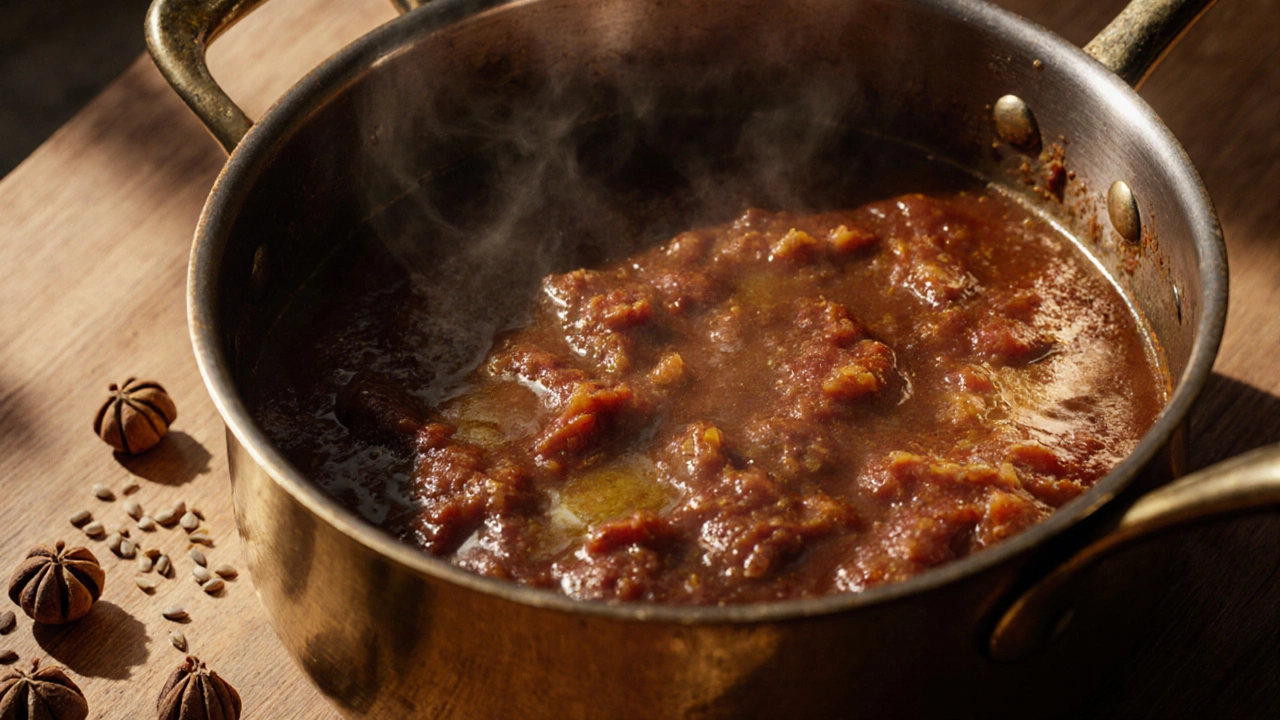
Restaurant Curry Recipe: Authentic Indian Curries Made Simple
When you think of a restaurant curry recipe, a rich, layered dish with deep spices, tender meat or vegetables, and a sauce that clings to every bite. Also known as Indian restaurant-style curry, it’s not just about heat—it’s about balance, technique, and time. Most home cooks get stuck making bland or one-note curries because they skip the foundational steps that professional kitchens rely on. The difference isn’t the ingredients—it’s how they’re handled.
Take paneer, a fresh Indian cheese used in dozens of curries, from butter paneer to kadai paneer. If you toss it straight into the sauce, it turns rubbery. But if you soak it first, as shown in multiple posts here, it absorbs flavor like a sponge. Same with chicken curry, a global favorite that starts with searing meat, not boiling it. The secret? Brown the chicken before adding liquid. That Maillard reaction builds depth no spice blend can fake.
Spice timing matters too. Toasting whole cumin or mustard seeds in hot oil before adding onions? That’s not tradition—it’s chemistry. It unlocks oils that turn basic curry into something unforgettable. And garlic? Many Indian kitchens avoid it entirely, using asafoetida, a pungent resin that mimics garlic’s depth without the odor, instead. It’s not a substitute—it’s a different path to the same flavor.
What makes a restaurant curry recipe work isn’t a secret spice mix you can buy online. It’s the sequence: fry, sauté, simmer, rest. It’s knowing when to add tomatoes so they break down into a sauce, not a watery soup. It’s using ghee instead of oil, letting the fat carry flavor deeper into the meat. And it’s patience—curries taste better the next day because the spices keep marrying.
You’ll find posts here that break down exactly how to build flavor from scratch—how much milk you need for paneer, why soaking it changes everything, how to make chicken curry that doesn’t taste like every other one. You’ll learn why some curries are fiery hot, others are aromatic and mild, and how to adjust heat without ruining the balance. No fluff. No guesswork. Just the steps that actually work in real kitchens across India.
Whether you’re trying to replicate your favorite takeaway dish or just want to cook something bold and satisfying, the recipes below give you the tools—not just the ingredients. This isn’t about copying a menu. It’s about understanding why those dishes taste the way they do, and how to make them your own.