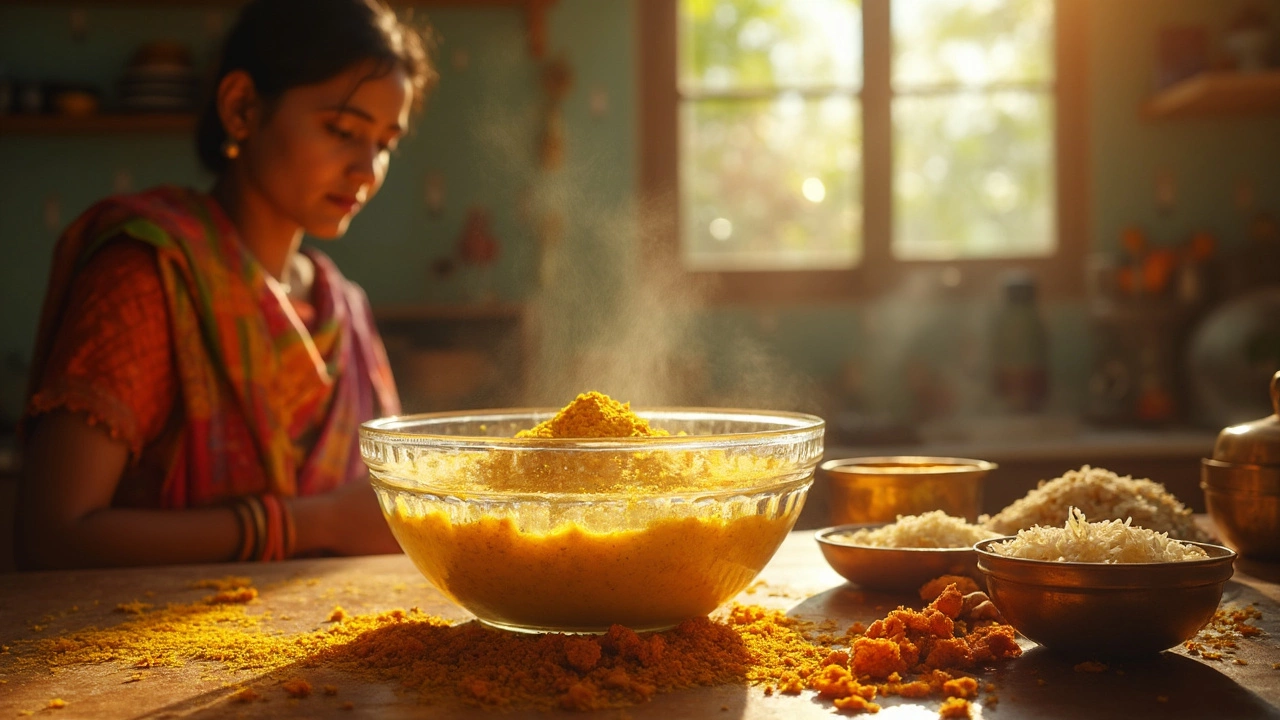
Quick Dosa: How to Make Fast, Crispy Dosa Batter at Home
When you need a quick dosa but don’t have hours to wait, you’re not alone. Many home cooks in India skip the traditional 8-hour soak and overnight fermentation—not because they’re lazy, but because they’ve learned smarter ways to get the same crisp edges and soft center. A quick dosa, a fast-prepared version of the classic South Indian fermented crepe made from rice and urad dal batter. Also known as instant dosa, it’s not a compromise—it’s a shortcut refined by decades of kitchen experimentation. The secret isn’t in skipping steps, but in optimizing them.
The real issue with traditional dosa batter isn’t time—it’s unpredictability. Soaking urad dal, a key legume used in South Indian cooking, prized for its high protein content and ability to ferment into light, airy batter. Also known as black gram, it for too long turns slimy; too short and the batter won’t rise. Heat, humidity, and water quality all play a role. That’s why modern cooks use warm water, a pinch of fenugreek, or even a small amount of yogurt to kickstart fermentation in just 4–6 hours. Some even use a pressure cooker or oven with the light on to create a warm, controlled environment. This isn’t cheating—it’s adapting tradition to fit today’s pace.
And it’s not just about speed. A dosa fermentation, the natural process where lactic acid bacteria break down starches in rice and urad dal batter, producing gas that makes it rise and develop tangy flavor. Also known as natural leavening, it affects texture, digestibility, and even nutrition. Fermented batter has more available B vitamins and easier-to-digest proteins. So even when you’re in a rush, you don’t have to sacrifice health for convenience. Many quick methods still let the batter ferment—just faster. And if you’re truly pressed for time, pre-made batter stored in the fridge can last 3–4 days, ready to go with a quick stir.
What you’ll find in the posts below are real, tested methods—not theory. How much water to use when soaking urad dal in monsoon season. Why adding a teaspoon of rice flour helps crisp up the edge. What happens if you skip rinsing the dal. How to fix a batter that didn’t rise. These aren’t tips from chefs in Mumbai restaurants—they’re from home cooks who’ve made hundreds of dosas, failed a few, and figured out what actually works. Whether you’re making breakfast for kids, a late-night snack, or a weekend treat, the right quick dosa batter can turn a rushed morning into something warm, crunchy, and satisfying.