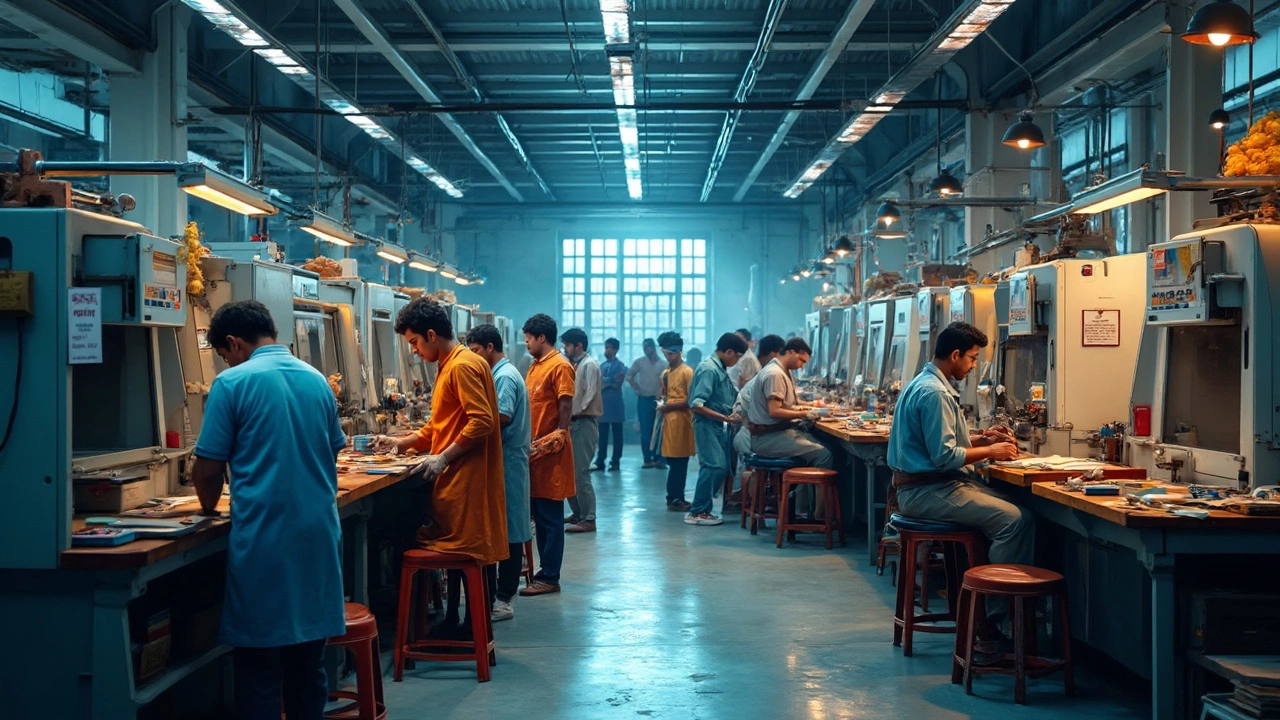
Profitable Machinery: What Works in Indian Food Manufacturing
When we talk about profitable machinery, equipment that pays for itself by increasing output, reducing labor, and cutting waste in food production. It’s not about buying the most expensive machine—it’s about matching the right tool to your scale, product, and budget. In India’s food manufacturing sector, the most successful small businesses aren’t those with the biggest factories. They’re the ones using food processing equipment, tools like automatic dough dividers, vacuum sealers, and continuous fryers that turn raw ingredients into consistent, market-ready products. These machines don’t just save time—they turn inconsistent hand-made batches into reliable, repeatable output that customers trust.
Look at any thriving small-scale dairy or snack producer in Gujarat, Tamil Nadu, or Uttar Pradesh. They’re not running 10-ton mixers. They’re using small scale manufacturing, compact, modular systems designed for local demand—like 50-liter paneer makers, semi-automatic dosa batter grinders, or low-cost oil expellers for ghee production. These tools cost under ₹1 lakh, pay for themselves in under six months, and let one person do the work of five. Meanwhile, bigger players use food manufacturing machinery, automated lines that handle packaging, labeling, and sterilization in one flow, reducing contamination and human error. The key? Profitable machinery doesn’t just run—it solves a specific problem: waste, labor cost, inconsistency, or speed.
What makes a machine profitable isn’t its brand or power—it’s how it fits into your workflow. A $10,000 vacuum sealer is useless if you’re selling fresh paneer door-to-door. But if you’re packing 500 units a day for retail, that same sealer cuts packing time by 70% and doubles shelf life. The most common mistake? Buying machinery based on what’s trending, not what’s needed. In Indian food manufacturing, the machines that win are the ones that handle local ingredients well—like urad dal grinders that don’t overheat, or dough rollers that work with high-moisture batters without sticking. They’re simple, repairable, and built for dusty, humid environments.
You’ll find real examples of this in the posts below: how a single machine can turn homemade paneer into a local brand, why 7S methodology helps factories keep equipment running, and which tools actually boost margins for small snack producers. No theory. No fluff. Just what works on the ground in India’s food industry.