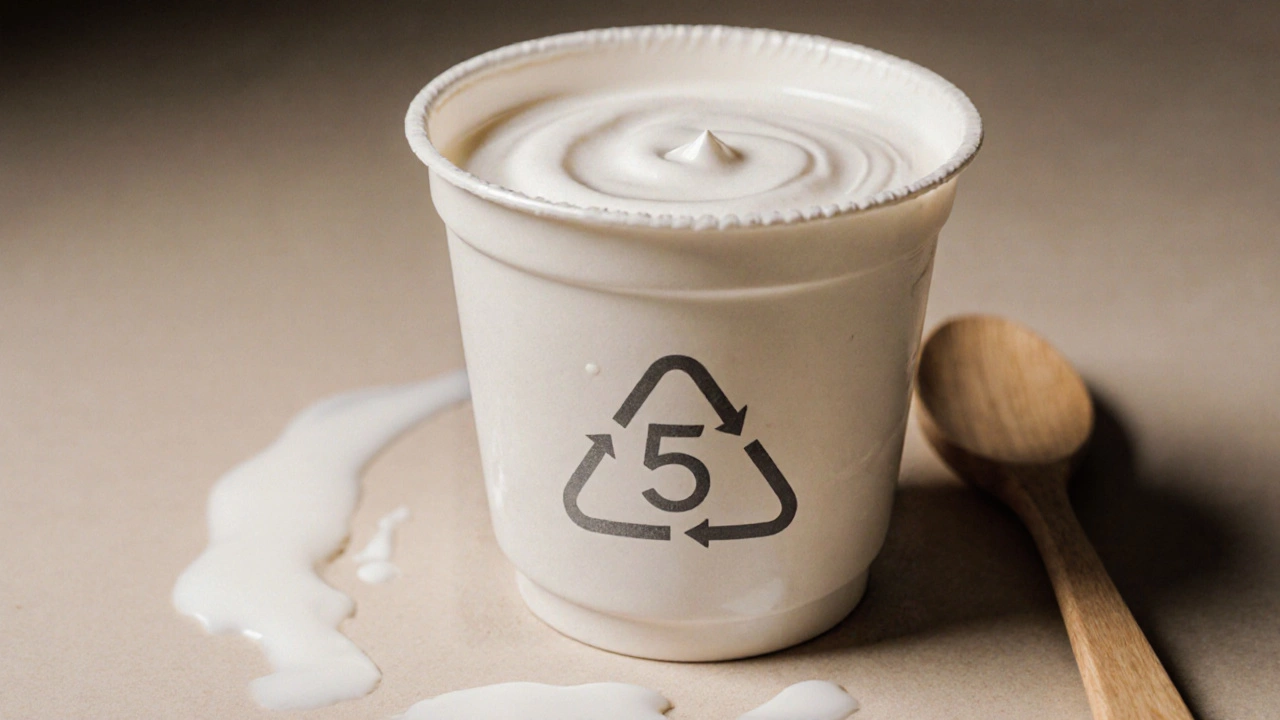
PP Plastic: What It Is, How It's Used in Food Manufacturing, and Why It Matters
When you open a container of yogurt, a packet of paneer, or a bottle of edible oil in India, you’re likely holding something made from PP plastic, a type of polypropylene known for its heat resistance and food-safe properties. Also known as polypropylene, it’s the go-to material for packaging that needs to handle hot filling, microwaving, or long shelf life without leaching chemicals. Unlike cheaper plastics that warp or melt, PP plastic stays stable—even when filled with boiling curry or stored in a hot warehouse. That’s why it’s everywhere in Indian food manufacturing: from bulk spice pouches to ready-to-eat meal trays.
PP plastic isn’t just about convenience—it’s tied directly to food safety, a core standard in India’s food production system. The Food Safety and Standards Authority of India (FSSAI) requires packaging materials to be non-reactive and non-toxic. PP plastic meets these rules because it doesn’t interact with acidic foods like tomato-based curries or oily spices. It’s also lightweight, which cuts shipping costs and carbon footprint—something big manufacturers care about. You’ll find it in the same containers used by companies like Amcor, which produces millions of PET and PP bottles across India every year.
What makes PP plastic different from other plastics? It doesn’t need additives to stay stable. Unlike PVC or polystyrene, which can release harmful compounds when heated, PP plastic holds up under steam sterilization and high-temperature filling lines. That’s why it’s the top choice for dairy products, pickles, and instant mixes. Even small-scale producers use PP containers because they’re affordable, stackable, and recyclable in most Indian cities. It’s not perfect—plastic waste is still a problem—but when used right, PP plastic helps keep food fresh, safe, and accessible to millions.
Behind every jar of pickles or pack of frozen parathas is a chain of decisions about materials. Why PP? Because it works. It doesn’t crack in the cold, doesn’t melt in the sun, and doesn’t taint flavor. If you’ve ever wondered how your food stays safe from factory to fridge, the answer often starts with this one material.
Below, you’ll find real examples of how PP plastic shows up in food production—from bottle manufacturing to storage standards—and what you need to know if you’re making, selling, or just buying packaged food in India.