Polypropylene in Food Manufacturing: What It Is and How It's Used
When you open a pack of paneer, a jar of pickle, or a ready-to-eat meal in India, you’re likely holding something made of polypropylene, a durable, lightweight thermoplastic polymer widely used in food packaging. Also known as PP, it’s one of the most common materials in food manufacturing because it doesn’t react with food, resists moisture, and can handle both hot and cold temperatures. Unlike older plastics that could leach chemicals or melt under heat, food-grade polypropylene meets strict safety standards—making it ideal for storing everything from dosa batter to biryani.
It’s not just about containers. polypropylene, a thermoplastic polymer known for its chemical resistance and high melting point is used in caps, lids, trays, and even flexible films that seal snacks and spices. In Indian food factories, it’s the go-to for packaging masalas, dairy products, and frozen foods because it keeps out air and moisture better than many alternatives. You’ll also find it in reusable food storage boxes used by restaurants and home cooks alike—because it’s microwave-safe, dishwasher-safe, and doesn’t crack easily.
Why not use glass or metal? Glass breaks. Metal is heavy and expensive. Polypropylene strikes a balance: cheap to produce, easy to mold into any shape, and light enough to ship in bulk. Factories in Gujarat, Maharashtra, and Tamil Nadu churn out millions of polypropylene containers every month to meet demand from street vendors, grocery chains, and export markets. Even small businesses making homemade paneer or pickles rely on it because it’s affordable and keeps products shelf-stable for weeks.
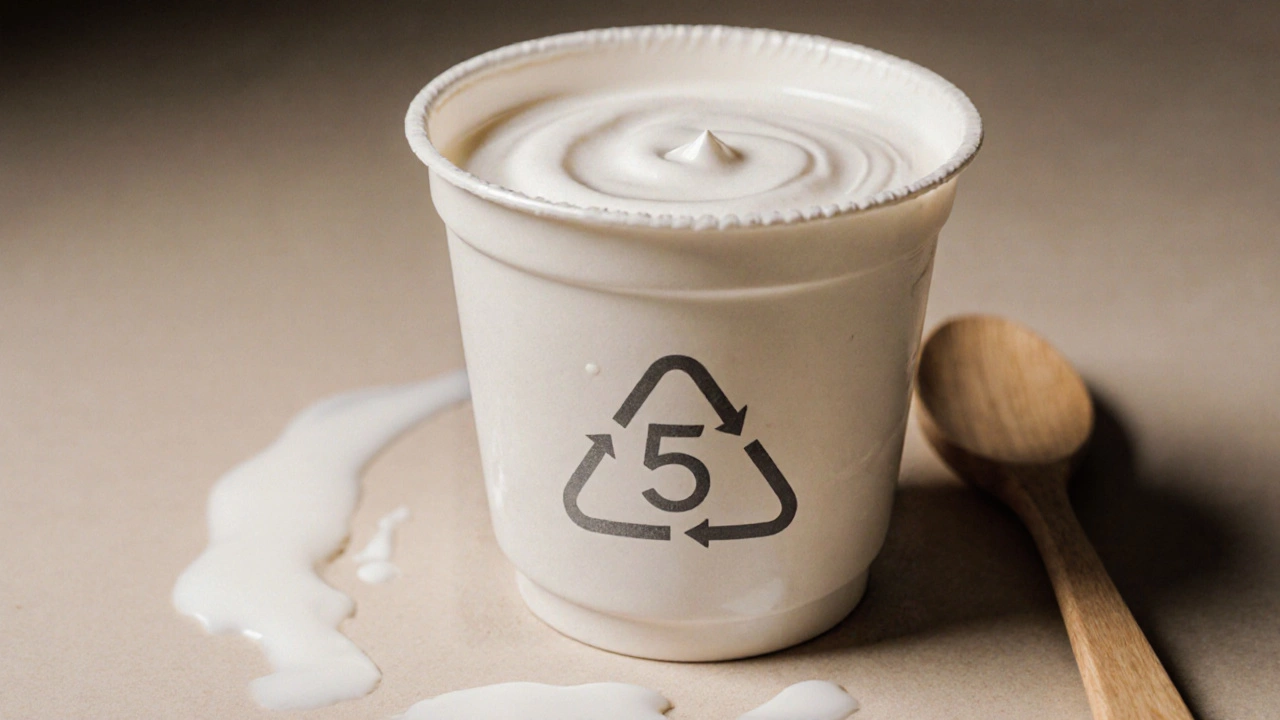
It’s not perfect. Polypropylene isn’t biodegradable, and recycling rates in India are still low. But it’s far safer than many older plastics, and newer versions are being made with added UV stabilizers and food-contact certifications. If you’re running a food business, knowing how to choose the right grade of polypropylene—marked with the recycling symbol #5—can save you from contamination risks and customer complaints.
Below, you’ll find real examples from India’s food manufacturing scene: how companies use polypropylene to package paneer, store spices, and ship ready-to-eat meals. You’ll also see how it compares to other materials, what mistakes to avoid, and why some manufacturers are starting to switch—without losing safety or cost efficiency.