Plastic Recycling Code: What Each Number Means and How It Affects Your Waste
When you see a triangle with a number inside on a plastic bottle or container, that’s the plastic recycling code, a standardized system that identifies the type of plastic resin used in manufacturing. Also known as the resin identification code, it was never meant to tell you if something is recyclable—just what kind of plastic it is. But most people assume it means "recyclable," and that’s where the confusion starts.
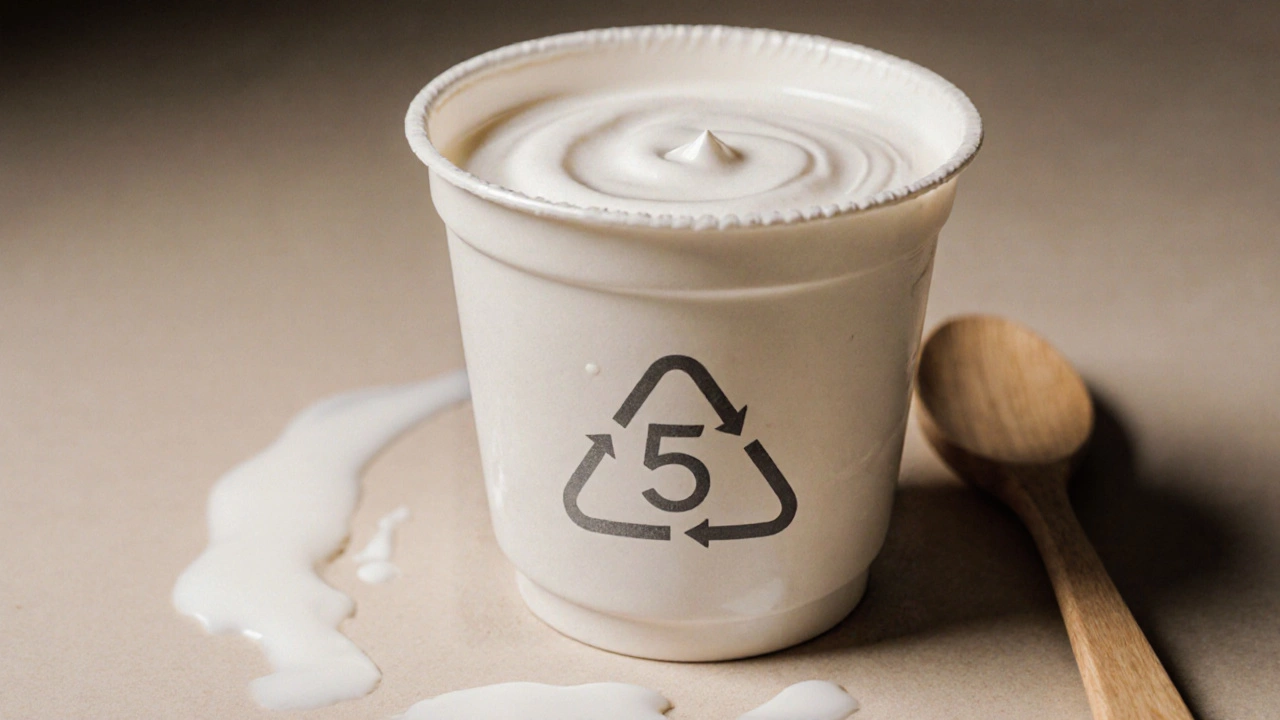
The system has seven codes, from 1 to 7, each tied to a different plastic type. Code 1, PET, is the clear soda bottle you toss after one use. Code 2, HDPE, is the milk jug or detergent bottle—thicker, more stable, and widely accepted. Code 5, PP, is the yogurt tub or medicine bottle, and it’s becoming more recyclable as facilities upgrade. But codes 3, 6, and 7? They’re often rejected. PVC (code 3) is toxic to process. Polystyrene (code 6) breaks into microplastics and clogs machinery. Code 7 is a catch-all for mixed or unknown plastics—like reusable water bottles with BPA—and most curbside programs won’t touch them.
Here’s the truth: plastic recycling code doesn’t equal recyclability. It’s a labeling tool, not a guarantee. Even code 1 and 2 get dumped if there’s no market for the recycled material. In India, where waste collection is patchy and sorting is manual, most plastics end up in landfills or burned—even if they have a recycling symbol. The real issue isn’t your bin. It’s the system that makes single-use plastic so cheap and easy to produce, but hard to recover.
Some brands now use code 1 or 2 because they know those are the only ones likely to be processed. Others avoid code 7 entirely, even if it’s biodegradable, because recycling centers won’t accept it. You can’t fix the system by rinsing your containers better. But you can stop buying things wrapped in code 6 or 7. Look for glass, metal, or paper instead. Choose brands that use recycled content—especially code 1 and 2—and support local efforts that collect hard-to-recycle plastics.
The posts below break down what you need to know: which plastics are actually reused in India, how manufacturers like Amcor handle bottle recycling, what happens to the plastic you toss, and why some "eco-friendly" labels are misleading. You’ll find practical tips on sorting, what to avoid, and how to reduce your plastic footprint without overcomplicating it. No theory. No greenwashing. Just what works in the real world of Indian waste and manufacturing.