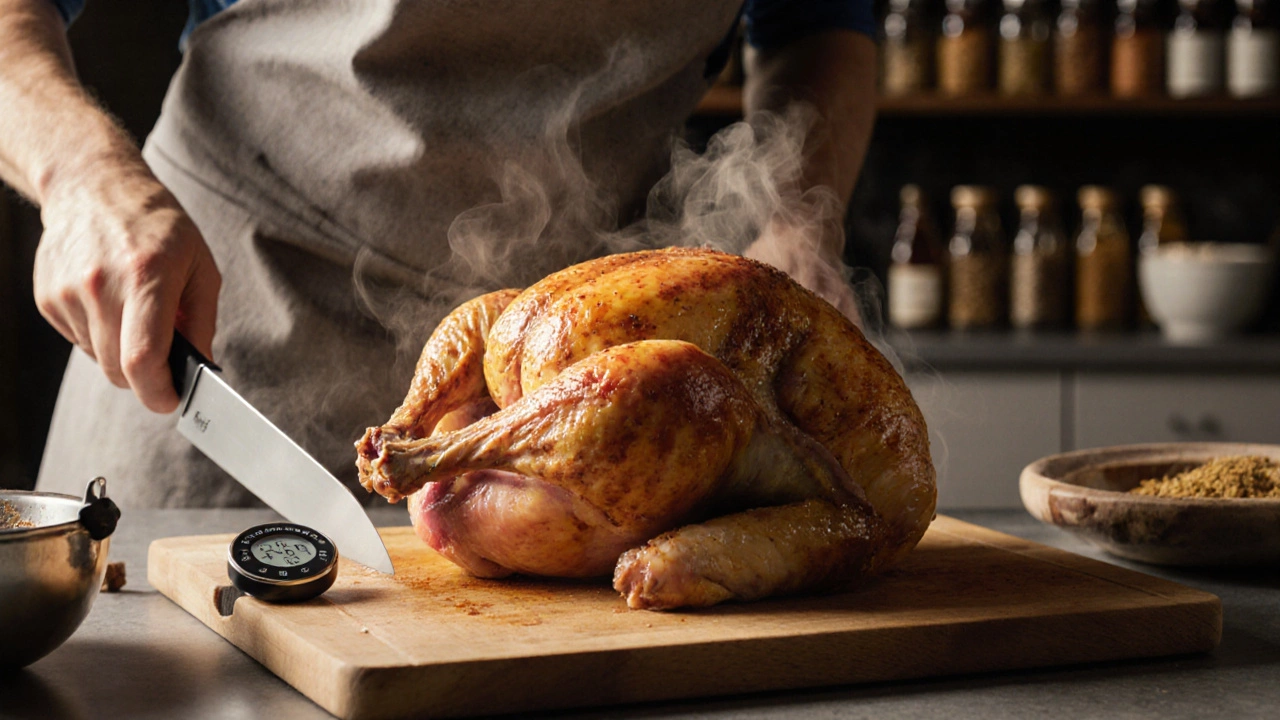
Why Is My Chicken Still Pink After Cooking? Causes & Fixes
Find out why chicken can stay pink after long cooking, how to test safety with temperature, and practical tips to avoid the pink surprise.
When meat turns an unusual shade of pink, it’s not just a visual problem—it’s a signal that something in the process needs attention. pink meat, a discoloration in cooked or processed meat that raises questions about doneness, safety, or chemical reactions. Also known as pinkish hue in cured meats, it can stem from natural myoglobin reactions, curing agents, or even temperature control failures. This isn’t about raw meat—it’s about cooked, processed, or packaged meat that shouldn’t stay pink but does. In food manufacturing, where consistency and safety are non-negotiable, this kind of issue can trigger customer complaints, lab tests, or worse—product recalls.
meat discoloration, a visible change in color due to chemical, thermal, or microbial factors during processing often links directly to how meat is handled after slaughter. If the meat was vacuum-packed too early, oxygen exposure was uneven, or curing salts like sodium nitrite weren’t mixed properly, pink spots can appear even in fully cooked products. food safety, the set of practices ensuring meat is free from harmful pathogens and chemically stable throughout its shelf life isn’t just about cooking temperature—it’s about the entire chain from grinding to packaging. Many manufacturers assume pink means undercooked, but in cured meats like ham or sausages, it’s often normal. The real risk comes when pink appears where it shouldn’t—like in ground beef that’s been cooked to 160°F but still looks raw.
meat processing, the series of steps including chilling, cutting, curing, cooking, and packaging that transform raw carcasses into market-ready products must follow strict protocols. A broken chiller, delayed processing after slaughter, or even high levels of carbon monoxide in packaging can lock in a pink color that looks unsafe but isn’t. On the flip side, if the meat is overcooked or exposed to too much oxygen, it can turn brown or gray—another common issue that customers mistake for spoilage. The key is knowing the difference between harmless color changes and real safety hazards. Testing pH levels, checking residual nitrite levels, and using colorimeters aren’t optional—they’re standard practice in any serious food manufacturing facility.
What you’ll find below isn’t theory. These are real fixes from Indian food plants that deal with this daily. From small-scale dairy-based meat processors to large frozen food exporters, the same problems keep popping up: inconsistent curing, poor temperature logs, and mislabeled batches. You’ll see how one factory cut pink meat complaints by 90% just by adjusting their brine injection timing. Another solved it by switching from natural casings to collagen ones. There’s no magic bullet—but there are proven steps. And if you’re seeing pink meat in your production line, these posts will show you exactly where to look next.
Find out why chicken can stay pink after long cooking, how to test safety with temperature, and practical tips to avoid the pink surprise.