Common Mistakes When Making Homemade Paneer (And How to Fix Them)
Learn the common mistakes that ruin homemade paneer and how to fix them. Get a step‑by‑step guide, troubleshooting table, and FAQs for perfect cheese every time.
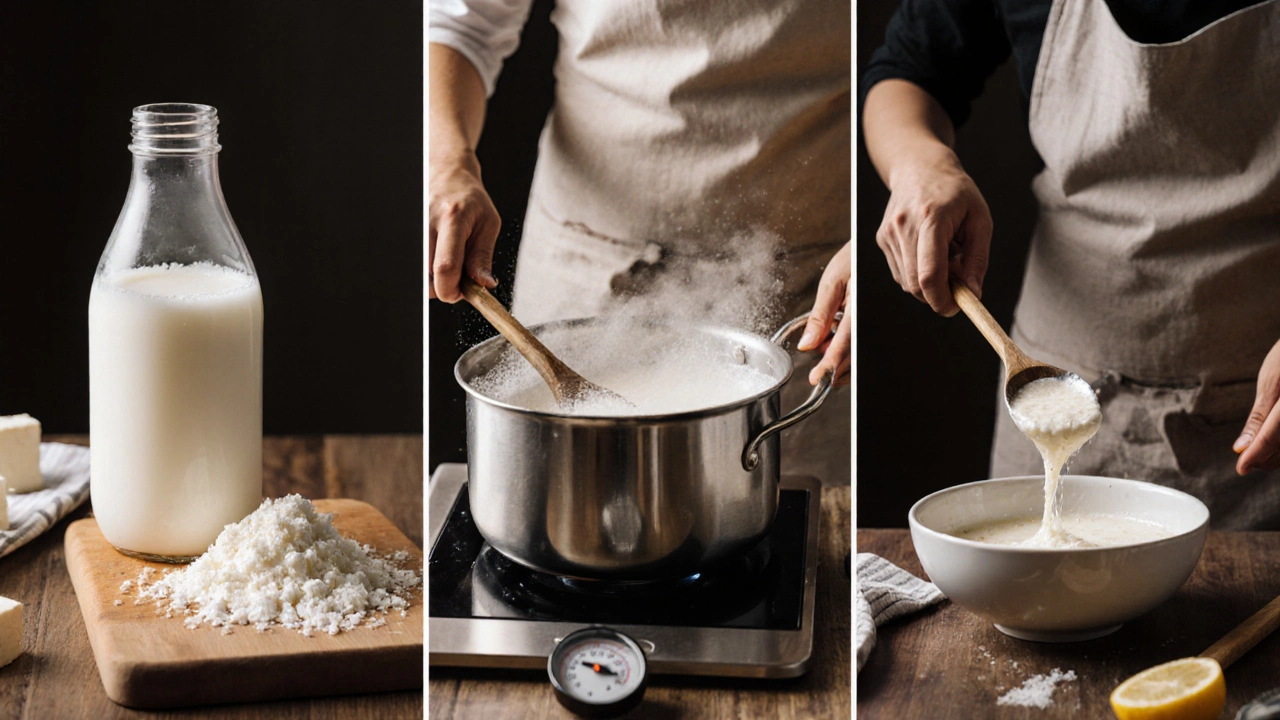
When you make paneer, a fresh, unaged Indian cheese made by curdling milk with acid. Also known as Indian cottage cheese, it’s the backbone of dozens of home-cooked curries, tikkas, and snacks. But even simple recipes can go wrong if you skip the little things—like soaking, pressing, or choosing the right milk. Most people think paneer is just milk plus lemon juice. It’s not. It’s a balance of heat, time, and technique. Get one step wrong, and you end up with rubbery, dry, or crumbly cheese instead of soft, melt-in-your-mouth cubes.
The biggest paneer mistakes, errors made during homemade paneer preparation that affect texture and flavor aren’t about ingredients—they’re about timing and handling. Using low-fat milk? Your paneer will be dry and crumbly. Boiling the milk too fast? It won’t curdle evenly. Skipping the soak after curdling? You’ll taste sourness instead of clean dairy. And pressing it too little? The cheese won’t hold shape in your curry. These aren’t myths. They’re facts from home cooks and small dairy makers who’ve tested this hundreds of times.
Another common error? Not using full-fat milk. You can’t make good paneer with 2% or skim milk. The fat is what gives it that rich, tender bite. You need at least 3.5% fat, and preferably 4-5%. And don’t use ultra-pasteurized milk—it won’t curdle properly. The heat treatment changes the proteins too much. Stick to fresh, pasteurized whole milk from a local dairy if you can. Then, when you add lemon juice or vinegar, do it slowly. Pour it in while stirring gently. Don’t dump it all at once. Wait for the curds to separate clearly from the whey. That’s when you know it’s ready.
And then there’s the pressing. People think they can just wrap the curds in a cloth and leave them on the counter. That’s not enough. You need weight. A heavy pot, a stack of books, a cast-iron pan—something that applies steady pressure for 30 to 45 minutes. Without it, the paneer stays loose and won’t slice cleanly. But don’t press it for hours. Over-pressing turns it into a chalky brick. And after pressing? Don’t skip the soak. Drop the paneer block into warm water for 10 to 15 minutes. This removes the sour tang and softens the texture. It’s the single easiest trick that turns average paneer into restaurant-quality.
These mistakes aren’t just about taste—they’re about waste. Milk isn’t cheap. Time isn’t free. When you make paneer wrong, you lose both. But when you get it right, you save money, eat better, and unlock flavors you can’t buy in stores. The posts below show you exactly how to fix each of these errors—with real steps, real ratios, and real results from people who do this daily. No fluff. Just what works.
Learn the common mistakes that ruin homemade paneer and how to fix them. Get a step‑by‑step guide, troubleshooting table, and FAQs for perfect cheese every time.