Common Mistakes When Making Homemade Paneer (And How to Fix Them)
Learn the common mistakes that ruin homemade paneer and how to fix them. Get a step‑by‑step guide, troubleshooting table, and FAQs for perfect cheese every time.
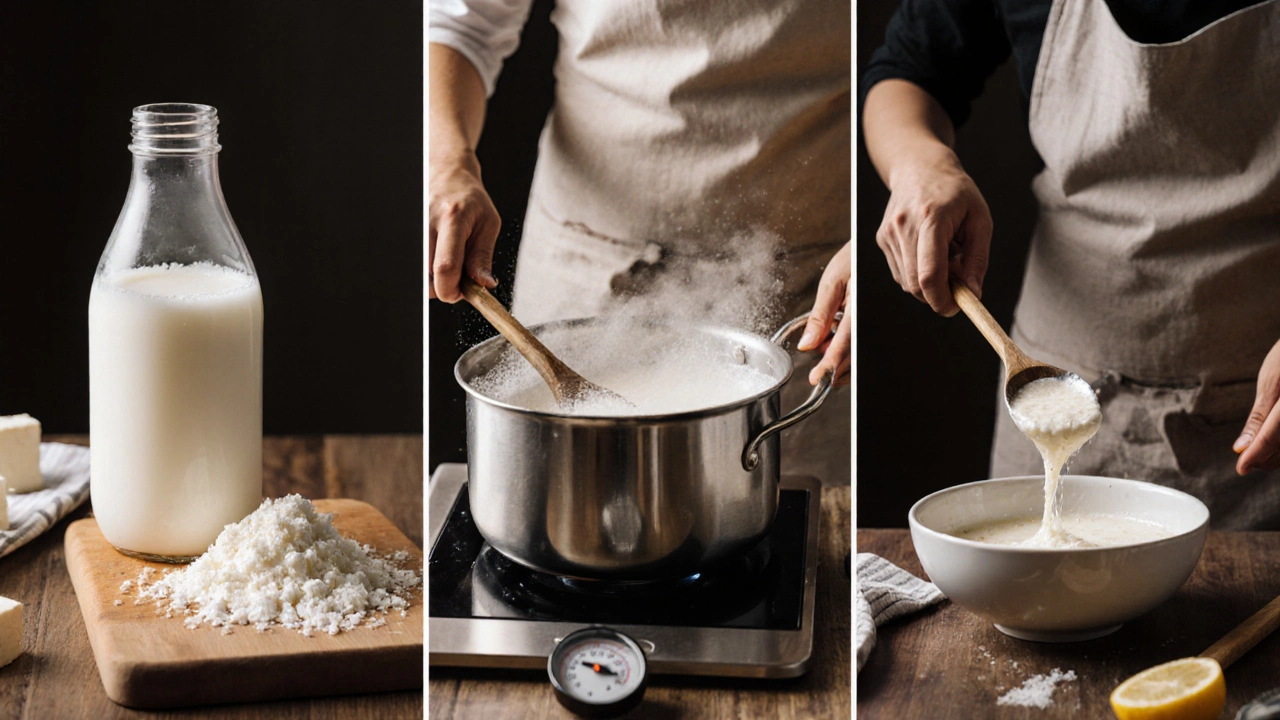
When you think of paneer, a fresh, non-melting Indian cheese made by curdling milk with acid. Also known as Indian cottage cheese, it's the backbone of countless home-cooked meals—from butter paneer to paneer tikka—and it’s easier to make than you think. Unlike processed cheeses, paneer doesn’t need aging or cultures. Just heat milk, add lemon juice or vinegar, strain the curds, and press. No fancy equipment. No waiting. You can have fresh paneer in under an hour.
What makes paneer special isn’t just how it’s made—it’s how it’s used. soaking paneer, a simple step that transforms rubbery cheese into soft, juicy bites is the secret most restaurants use but few home cooks know. Dry paneer soaks up sauce poorly and feels chewy. Soak it in warm water for 10–15 minutes before cooking, and it becomes tender, absorbs flavor, and melts in your mouth. It’s not optional—it’s essential. And if you’re making it yourself, you’ll want to know exactly how much milk you need. milk for paneer, typically 1 liter yields about 200 grams of firm paneer, depending on fat content. Full-fat cow’s milk gives you the best texture; skim milk? Don’t bother.
Paneer isn’t just a cheese—it’s a kitchen tool. It’s the protein base in vegetarian curries, the star of street snacks, and the perfect substitute for meat in busy households. You’ll find it in biryani layers, grilled on skewers, fried with spices, or tossed in creamy gravies. But making it right? That’s where most people fail. Too much acid? Crumbly. Not pressed enough? Mushy. Overcooked? Tough as a shoe. The difference between good paneer and great paneer comes down to three things: milk quality, pressing time, and that soak step.
And if you’ve ever bought paneer at the store and wondered why it tastes bland or rubbery, now you know why. Store-bought often sits for days, loses moisture, and gets treated with preservatives. Homemade paneer is bright, milky, and alive with flavor. Once you try it, you won’t go back.
Below, you’ll find real, tested methods—from how to turn milk into paneer with just lemon juice, to why soaking it before cooking makes all the difference, to how much milk you actually need for a block that holds its shape. No fluff. No theory. Just what works in Indian kitchens every single day.
Learn the common mistakes that ruin homemade paneer and how to fix them. Get a step‑by‑step guide, troubleshooting table, and FAQs for perfect cheese every time.
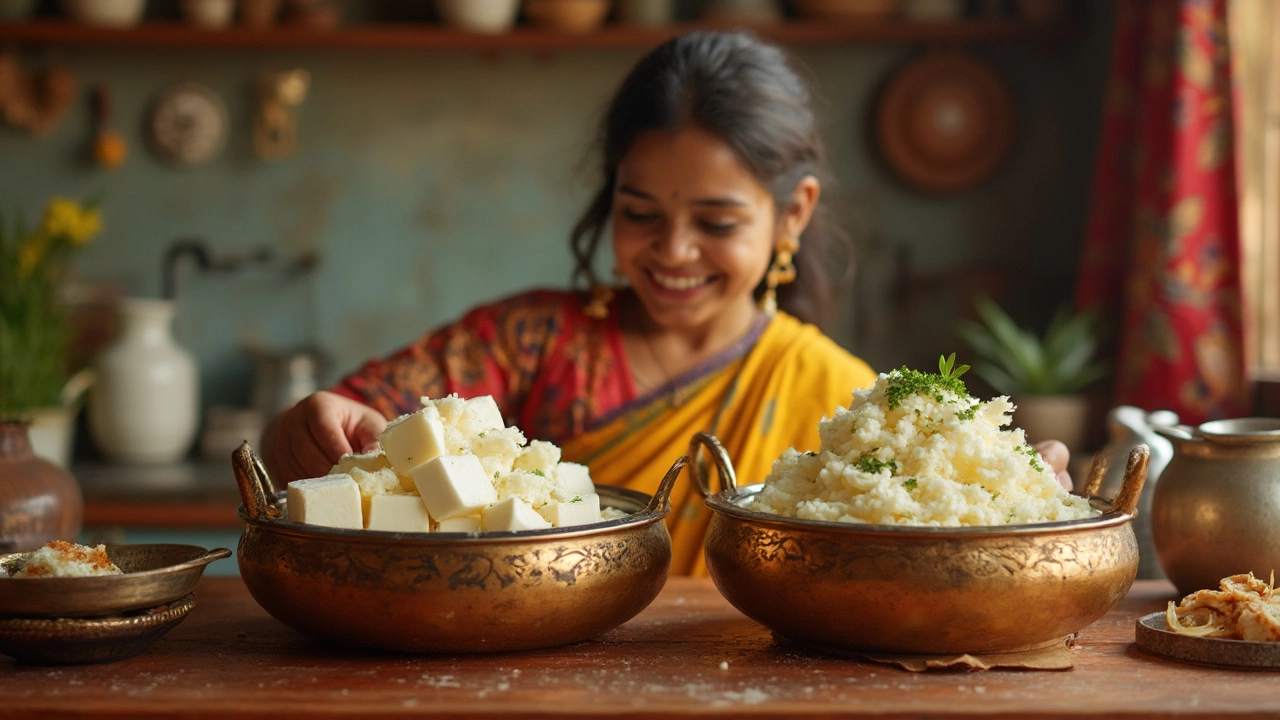
Paneer and ricotta look pretty similar, but are they really the same thing? This article explains the main differences between these two popular cheeses and why it matters, especially if you’re making them at home. You’ll get the nitty-gritty on how each is made, what they taste like, and how their textures stack up. Plus, find out which works better in certain recipes and quick-cook tips for trying both. Get ready for some cheese clarity—no more mixed-up recipes or buying the wrong thing at the store.