MTS in Food Manufacturing: What It Is and Why It Matters
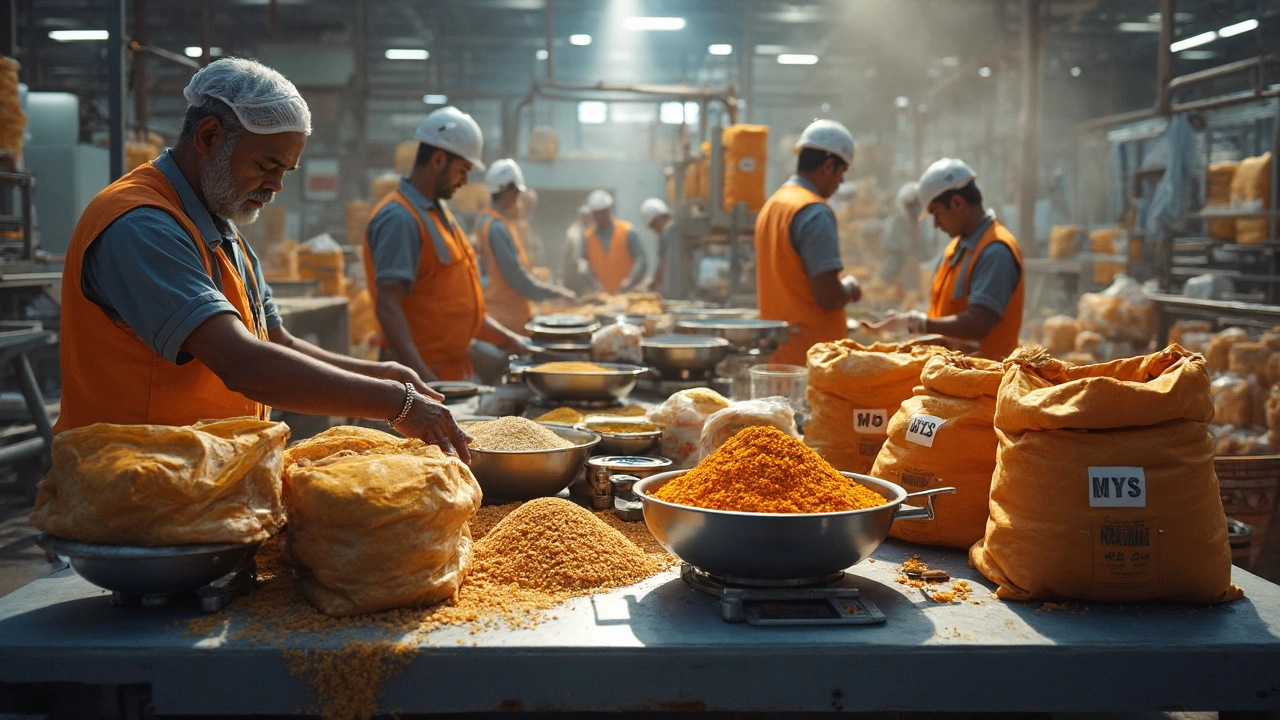
When you see MTS, Manufacturing Technology Systems in food production. Also known as Manufacturing Technology Solutions, it refers to the integrated tools, machines, and digital systems that keep food factories running smoothly—from mixing batter to packaging snacks. It’s not just about robots or conveyor belts. MTS is the backbone of every step in modern food manufacturing, ensuring consistency, safety, and speed. In India, where small-scale units coexist with large plants, MTS means different things to different people: for one, it’s a pasteurizer; for another, it’s a real-time quality sensor. But the goal is always the same: make good food, faster, without waste.
MTS doesn’t work alone. It’s tied directly to unit operations, the basic physical steps like mixing, heating, drying, and packaging used in every food plant. Whether you’re soaking urad dal for dosa batter or turning milk into paneer, you’re doing a unit operation—and MTS is what makes those steps repeatable and scalable. It’s also deeply connected to lean manufacturing, a system focused on reducing waste while improving efficiency, often using the 7S methodology. You’ll find posts here that explain how Indian factories use Sort, Set in Order, and Shine to cut down on downtime and contamination. MTS enables these practices by giving workers the right tools to follow standards, not guesswork.
And it’s not just about big factories. Even home-based paneer makers use simple MTS—like a cloth strainer, a heavy weight, and a pot of boiling milk. The difference? Industrial MTS automates that process. It monitors temperature, controls pressure, and logs data so every batch meets safety rules. In India’s growing food industry, MTS is what lets a small producer scale up without losing quality. It’s why you can buy the same yogurt in Delhi and Chennai, or why a restaurant in Mumbai can serve the same biryani every day. Behind that consistency? MTS.
You’ll find posts here that break down exactly how these systems work—from the plastic containers made with Code 5 polypropylene that hold your yogurt, to the sodium hydroxide used in cleaning tanks, to how factories track every step with digital logs. Some posts show you how to fix a rubbery paneer texture. Others explain why roti doesn’t need baking powder. All of them tie back to one thing: the systems that turn raw ingredients into safe, reliable food. Whether you’re running a kitchen, managing a line, or just curious how your favorite snack gets made, what follows is a practical guide to the hidden tech behind India’s food supply.