Manufacturing in India: How Food and Goods Are Made at Scale
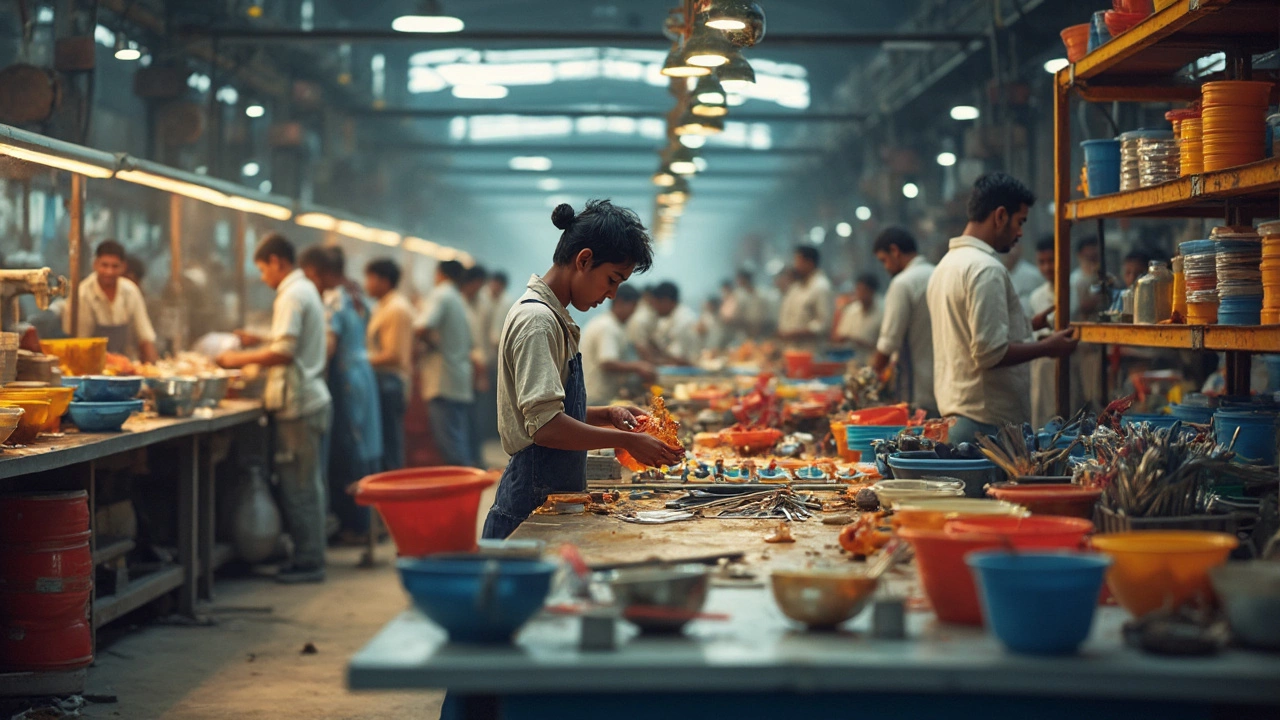
When we talk about manufacturing, the process of turning raw materials into finished goods using systematic methods. Also known as production, it’s the quiet engine behind every packaged snack, bottle of oil, and piece of paneer you buy. In India, manufacturing isn’t just about big factories—it’s also about small kitchens turning milk into cheese, mills grinding spices, and lines filling plastic bottles with water. This isn’t science fiction. It’s daily life.
food manufacturing, the specific branch that turns crops, dairy, and spices into ready-to-eat or shelf-stable products follows strict rules: temperature control, hygiene standards, and timing matter more than tradition alone. Think of how urad dal is soaked for exactly 6–8 hours before turning into dosa batter, or how paneer is pressed and soaked to avoid rubberiness. These aren’t recipes—they’re unit operations, standardized physical steps like pasteurization, drying, or mixing that ensure safety and consistency. They’re the same steps used in giant plants and home setups alike. And they’re powered by people who know when to stop stirring, when to heat, and when to walk away.
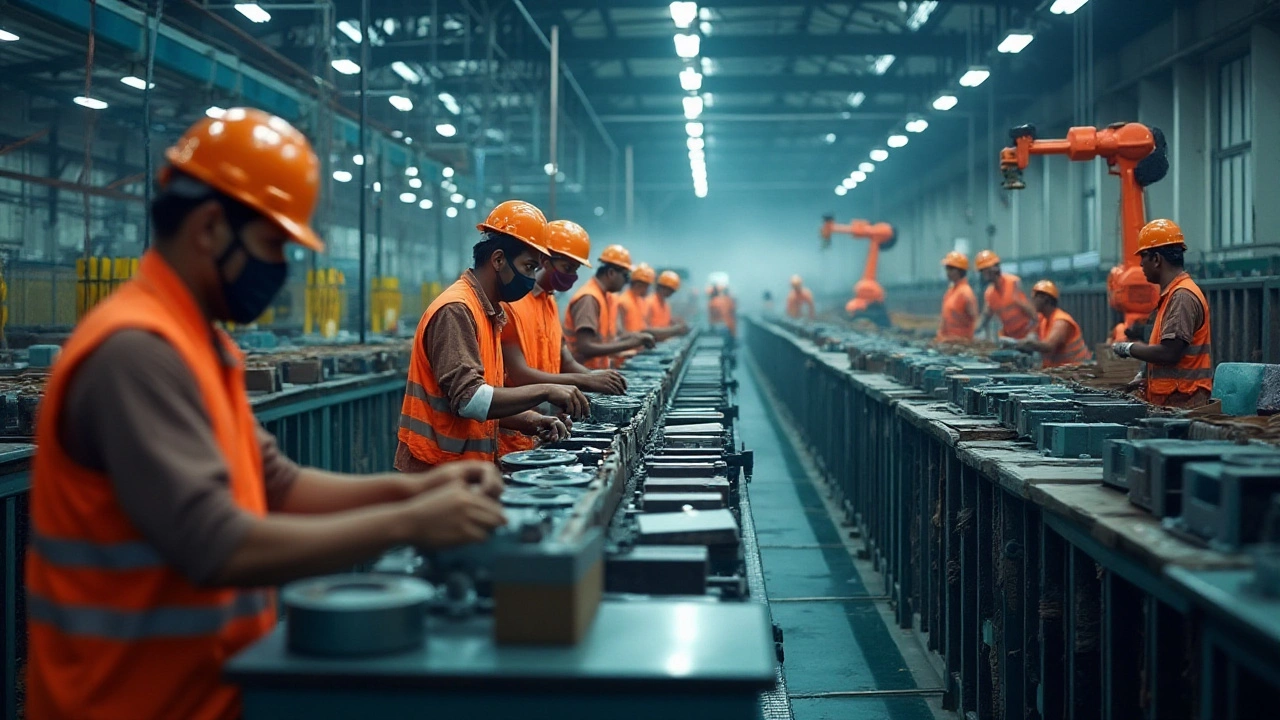
But manufacturing isn’t just about food. lean manufacturing, a system focused on reducing waste while improving productivity is quietly changing how small Indian factories run. The 7S method—Sort, Set, Shine, Standardize, Sustain, Safety, Self-Discipline—isn’t some foreign idea. It’s used in Delhi spice packers and Tamil Nadu dairy units. Workers organize tools, clean floors daily, and write down the exact steps for making roti or bottling juice. No fluff. Just what works. And it’s working: manufacturing jobs, roles that involve operating machines, monitoring quality, or managing supply chains, are coming back—not just in the U.S., but in India too. More people are opening small-scale units making ready-to-cook mixes, reusable containers, or even specialized packaging.
It’s not all smooth. industrial chemicals, substances like sodium hydroxide and chlorine used to clean, preserve, or process raw materials play a huge role. They’re in the water used to wash vegetables, the tanks that sterilize bottles, and the cleaners that keep factories safe. But misuse can break systems. That’s why knowing the right amount, the right time, and the right safety steps matters more than ever.
What you’ll find below isn’t a list of random articles. It’s a map. You’ll see how a single cup of milk becomes paneer, how a dosa batter ferments just right, why some plastics are safer than others, and how factories stay clean without wasting time. These aren’t isolated tips. They’re pieces of the same puzzle: how India makes things, one step at a time.