Malt Vinegar: What It Is, How It's Made, and Why It Matters in Indian Kitchens
When you think of malt vinegar, a tangy, amber-colored vinegar made from fermented barley malt. Also known as barley vinegar, it's one of the oldest food acids used in cooking and preservation. Unlike white distilled vinegar, malt vinegar carries a deep, malty sweetness that comes from the grain it's made from. It’s not just a British pub staple—it’s quietly showing up in Indian kitchens, especially in pickles, chutneys, and even marinades for tikkas and kebabs.
Malt vinegar starts with barley. The grains are soaked, germinated, then dried to create malt. That malt is mashed, fermented into beer, and then turned into vinegar through a second fermentation with acetic acid bacteria. The result? A vinegar with body, not just bite. It’s used in food manufacturing to balance flavors, extend shelf life, and enhance aroma without masking the original taste of ingredients. In Indian households, it’s often swapped in for tamarind or lemon juice when you want that sour punch without citrusy brightness. It works especially well in onion chutneys, where its earthiness softens the sharpness of raw onions.
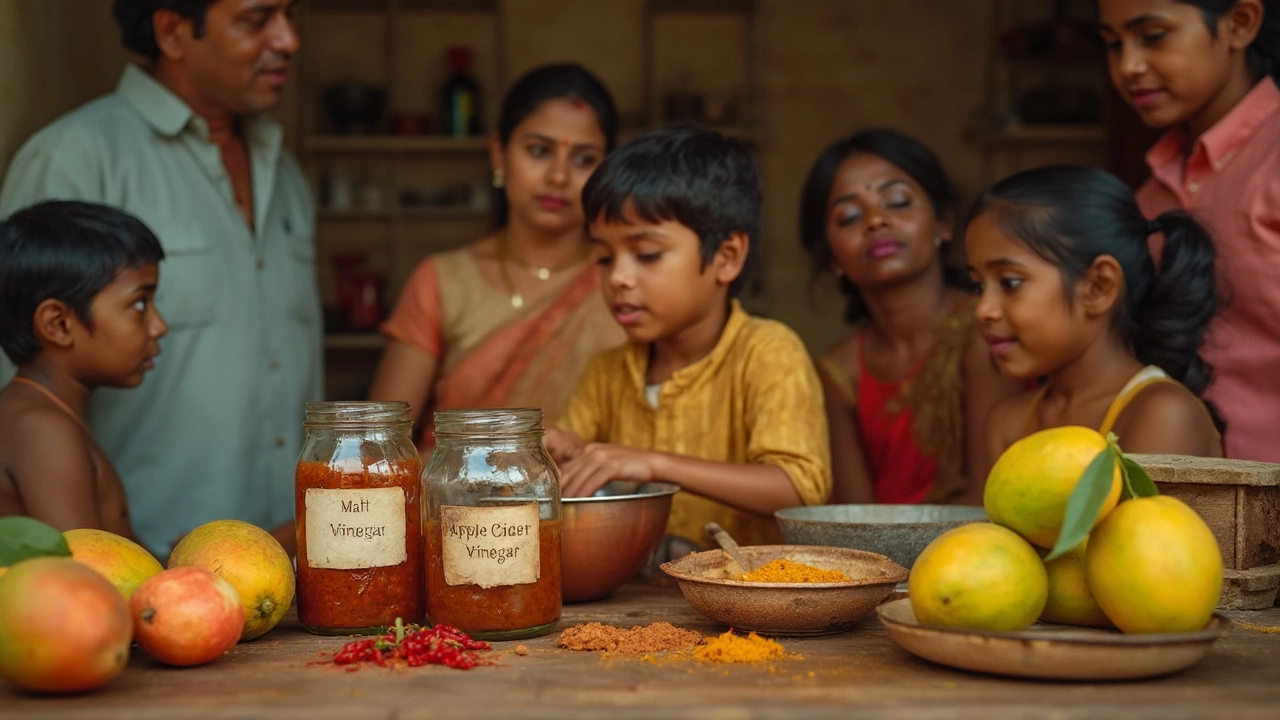
It also plays a role in food safety. In small-scale food production, malt vinegar is a natural preservative. It’s used in pickling vegetables like carrots, cauliflower, and green mangoes—common in home kitchens across Uttar Pradesh and Bihar. Unlike synthetic acids, it doesn’t leave a chemical aftertaste, which is why many artisanal food makers prefer it. You’ll find it in bottled achar brands that pride themselves on traditional methods, even if they don’t label it prominently.
What’s interesting is how it connects to other food processes you’ve seen here. Making malt vinegar involves the same fermentation, a biological process where microorganisms convert sugars into acids, alcohol, or gases you see in making dosa batter or idli. It also relies on unit operations, standardized physical steps like filtration, pasteurization, and concentration used in every food factory—from milk processing to cheese making. The same principles that ensure your paneer turns out right also keep your vinegar stable and safe.
And it’s not just about taste. Malt vinegar has a lower pH than apple cider or rice vinegar, making it more effective at inhibiting bacteria. That’s why it’s used in ready-to-eat meals produced by Indian food manufacturers who need to meet FSSAI safety standards without relying on artificial preservatives. It’s a quiet hero in packaged snacks, sauces, and even some instant chutney powders where sourness needs to last for months.
So if you’ve ever wondered why some pickles taste deeper, or why a marinade clings better to chicken, it might be because of malt vinegar. It’s not flashy. It doesn’t trend on Instagram. But in the backrooms of food factories and the corners of home kitchens, it’s doing real work—enhancing flavor, extending life, and keeping things authentic.
Below, you’ll find posts that dig into the processes behind everyday food items—from how paneer is made to why fermentation matters. Many of them touch on the same principles that make malt vinegar what it is: simple, smart, and deeply rooted in how we turn raw ingredients into something lasting.