Low Investment Manufacturing: Small Businesses That Actually Work in India
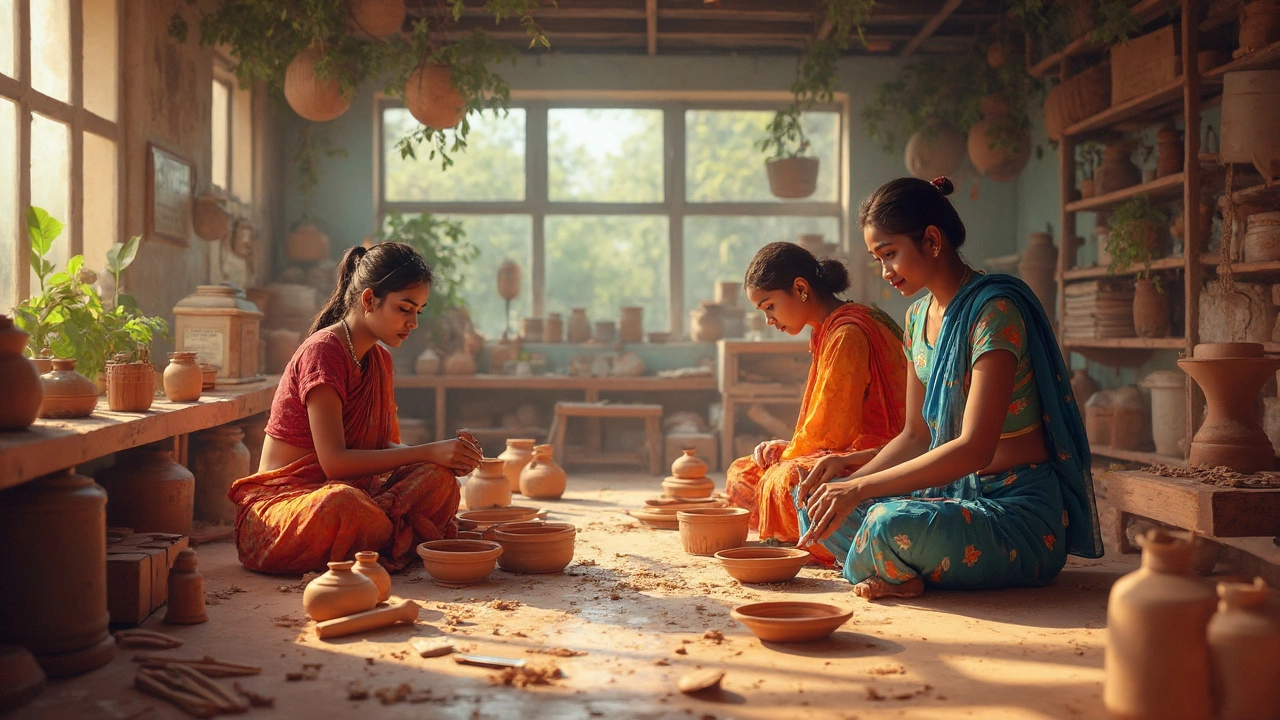
When you think of low investment manufacturing, a business model where production starts with minimal upfront cost and scales using local resources. Also known as small-scale manufacturing, it's not about fancy machines or big factories—it’s about smart use of what’s already around. In India, this isn’t a dream. It’s happening in home kitchens, small workshops, and local markets every day. People are making paneer, dosa batter, spices, and packaged snacks with under ₹50,000 in startup costs—and selling them locally, online, or to small restaurants. You don’t need a factory. You need the right process, consistent quality, and a clear customer.
This kind of manufacturing thrives on unit operations, basic physical steps like soaking, heating, mixing, and drying that turn raw materials into finished food products. Think of it like cooking, but scaled up just enough to sell. Soaking urad dal for dosa batter? That’s a unit operation. Making paneer from milk and lemon juice? That’s another. These aren’t complicated. They’re repeatable. And they don’t need expensive tech. What matters is control—over time, temperature, and cleanliness. That’s what turns a home recipe into a product people will buy again. You’ll also find that 7S of manufacturing, a simple system for organizing workspaces to reduce waste and improve safety. is used even in tiny setups. Sort your ingredients. Set your tools in the same spot. Clean after every batch. These aren’t corporate buzzwords—they’re habits that keep your product safe and your costs low.
What’s surprising is how many of these businesses are built on low investment manufacturing ideas that already exist in Indian homes. You don’t have to invent something new. You just have to do what grandmas do—but with better packaging, consistent batches, and a little marketing. The posts below show you exactly how. From how much milk you need to make paneer, to why soaking it before cooking changes everything, to the exact time to soak urad dal for perfect dosas—these aren’t just recipes. They’re manufacturing blueprints. You’ll see how small teams are turning daily kitchen tasks into profitable lines of business. No loans. No investors. Just skill, repetition, and smart use of local demand. What you’ll find here isn’t theory. It’s what people in India are already doing—with less than ₹1 lakh and a lot of hustle.