Lentil Safety: How to Handle, Store, and Cook Lentils Without Risk
When you buy lentils, you’re not just buying protein—you’re bringing home a food that can carry lentil contamination, the presence of harmful bacteria, mold, or foreign particles in dried legumes. Unlike meat or dairy, lentils don’t need refrigeration, but that doesn’t mean they’re risk-free. In Indian food manufacturing, where lentils like urad dal and masoor dal are used daily, safety starts before cooking and ends with proper storage. Many people assume dried lentils are sterile, but that’s not true. Dust, insect eggs, and even traces of pesticides can linger if they’re not cleaned or stored right.
Lentil storage, the method of keeping dried lentils dry, cool, and sealed to prevent spoilage is one of the most overlooked steps in home kitchens. Moisture turns lentils into a breeding ground for mold, and mold means aflatoxins—carcinogens linked to liver damage. Manufacturers in India use sealed polypropylene (Code 5 plastic) containers with silica gel packs to keep humidity below 10%. At home, you can do the same: store lentils in airtight glass or food-grade plastic jars, away from heat and sunlight. Don’t leave them in the original paper bag from the market—it’s not enough.
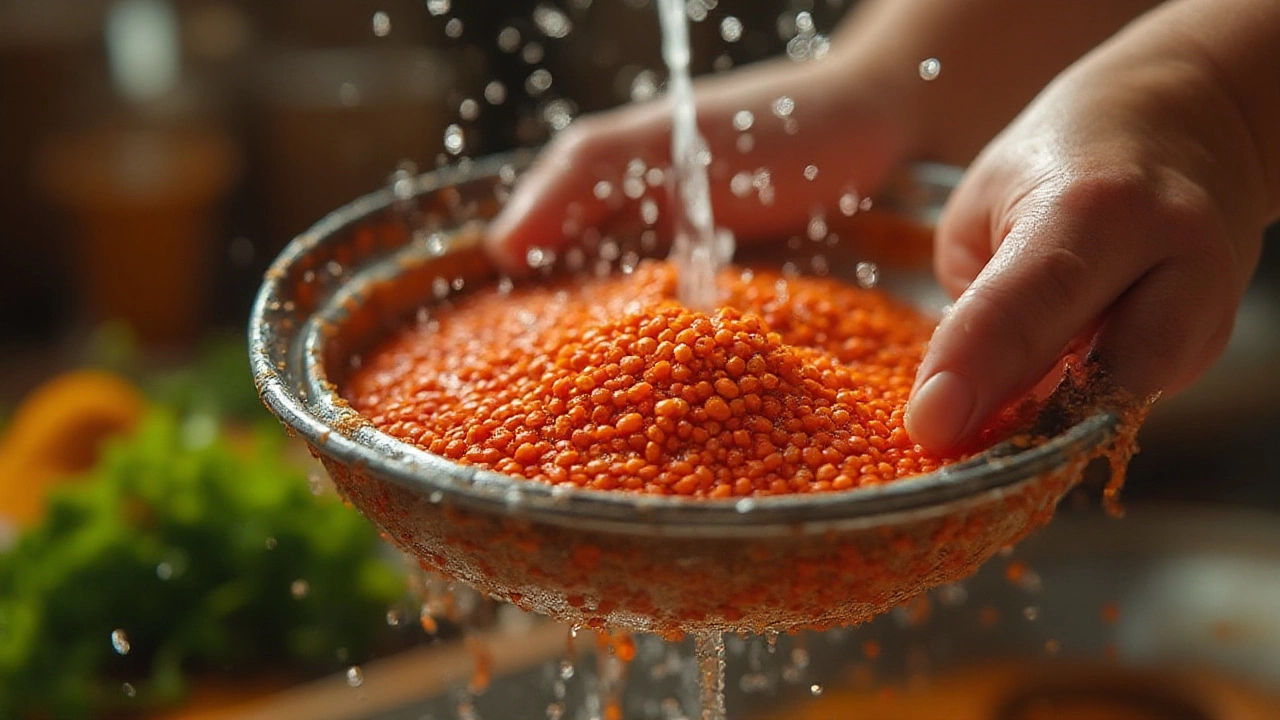
Lentil cooking, the process of preparing lentils to destroy pathogens and improve digestibility, isn’t just about boiling them until soft. Undercooked lentils can cause stomach upset because they contain natural lectins—proteins that resist digestion. Boiling for at least 10 minutes at a rolling boil kills these compounds. In Indian kitchens, soaking lentils before cooking isn’t just for texture—it’s a safety step. Soaking for 6–8 hours helps flush out dirt and reduces anti-nutrients. After soaking, rinse them under running water three times. Don’t skip this. Many food poisoning cases linked to lentils trace back to skipping rinsing or undercooking.
Even the water you use matters. In areas with poor water quality, boiling lentils in contaminated water can reintroduce bacteria. Always use filtered or boiled water for cooking. And never reuse soaking water—it’s full of debris and potential contaminants. If you’re making dosa batter from urad dal, the fermentation process helps, but only if the dal was cleaned properly first. A slimy batter isn’t just bad—it’s a warning sign.
Manufacturers in India test lentils for heavy metals, pesticide residues, and microbial load before they hit shelves. You can’t do lab tests at home, but you can mimic their standards: inspect each batch for stones, discoloration, or odd smells. If a bag smells musty, throw it out. If lentils look shriveled or have white fuzz, don’t risk it. And never store cooked lentils at room temperature for more than two hours. Refrigerate them within that window.
There’s no magic trick to lentil safety—just consistency. Clean, soak, rinse, boil, store cold. These aren’t fancy steps. They’re basic. But in a country where lentils feed millions every day, getting them right isn’t optional. The posts below show you exactly how to do it—from soaking urad dal for dosa batter to fixing rubbery paneer, all rooted in real food handling practices used by Indian manufacturers. You’ll find what works, what doesn’t, and why.