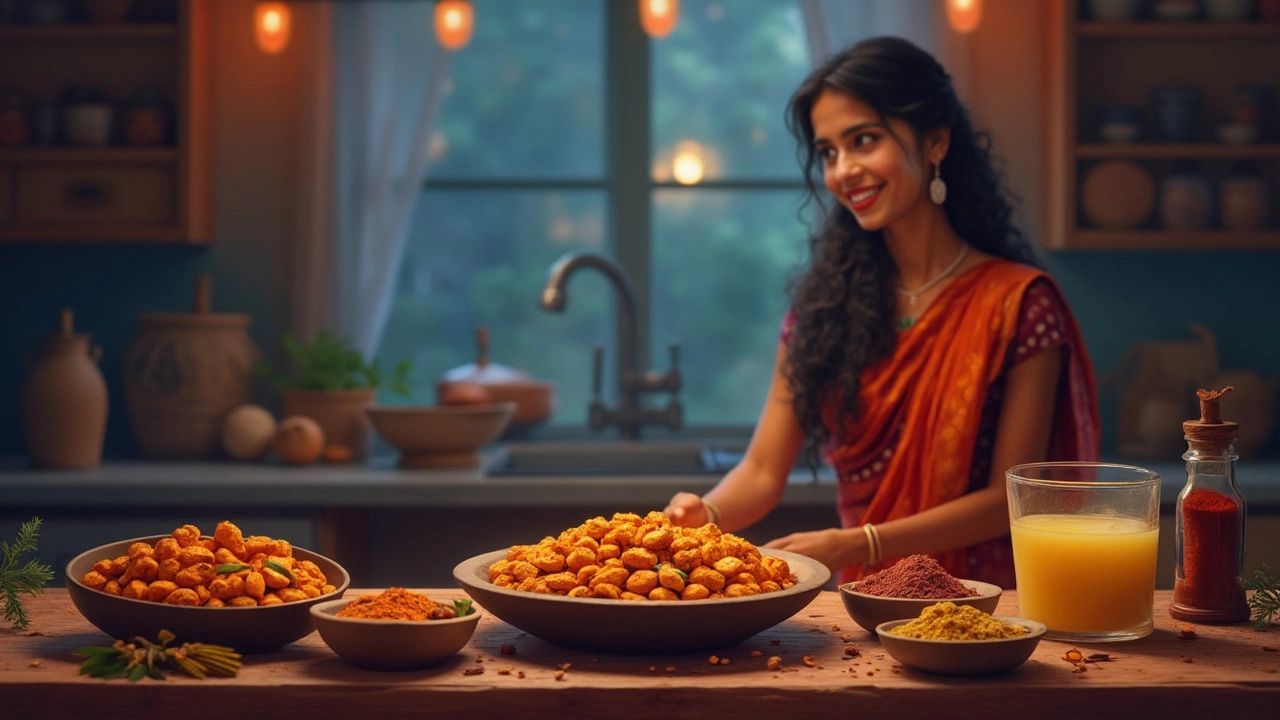
Late Night Eats: What Indians Really Eat After Dark
When the sun goes down and the city hums with a different rhythm, late night eats become the real story of Indian food culture. It’s not about fancy restaurants or Instagram-worthy plates—it’s about steaming bowls of poha, crispy bhajjis fresh off the fryer, and warm jalebis dipped in syrup, sold by vendors who work long after everyone else has called it a day. This isn’t just snacking; it’s a ritual tied to shift workers, students pulling all-nighters, and families who believe dinner doesn’t end until the last bite is taken. In India, food doesn’t clock out at 8 PM—it just changes location.
What you find at 2 AM isn’t random. It’s shaped by tradition, availability, and the need for something that fills you fast without weighing you down. Street food India, affordable, quick, and often cooked fresh in front of you dominates the scene. From Mumbai’s misal pav to Delhi’s parathas stuffed with spiced potatoes, each bite carries local flavor and decades of practice. You won’t find frozen fries here—just onions fried golden, lentils simmered overnight, and dough rolled by hand. Even the packaging tells a story: banana leaves, newspaper wraps, and clay cups that turn back into soil. This is food that moves with the city’s pulse.
And it’s not all heavy. More people are asking: healthy late night snacks, light, protein-rich options that won’t sabotage sleep or digestion. Think roasted chana, yogurt with flaxseed, boiled eggs, or a small bowl of sprouted moong. These aren’t trendy fads—they’re smart swaps passed down from grandmas who knew sugar spikes don’t help you sleep. The best late night eats balance hunger, culture, and health. They don’t need fancy labels. Just good ingredients, cooked right, and served hot.
What ties these foods together isn’t just timing—it’s intention. Whether it’s a student grabbing a samosa before exams or a driver eating dal chawal after a 12-hour shift, late night eats in India are about survival, comfort, and connection. You won’t find them in cookbooks. You’ll find them on dimly lit corners, under flickering bulbs, where the smell of cumin and fried garlic pulls you in before you even know you’re hungry.
Below, you’ll find real guides on what to eat, what to avoid, and how to make the best versions at home—no fancy tools, no overnight prep. Just food that works when the clock hits midnight.