Indian junk food: What it is, why it’s everywhere, and what’s really in it
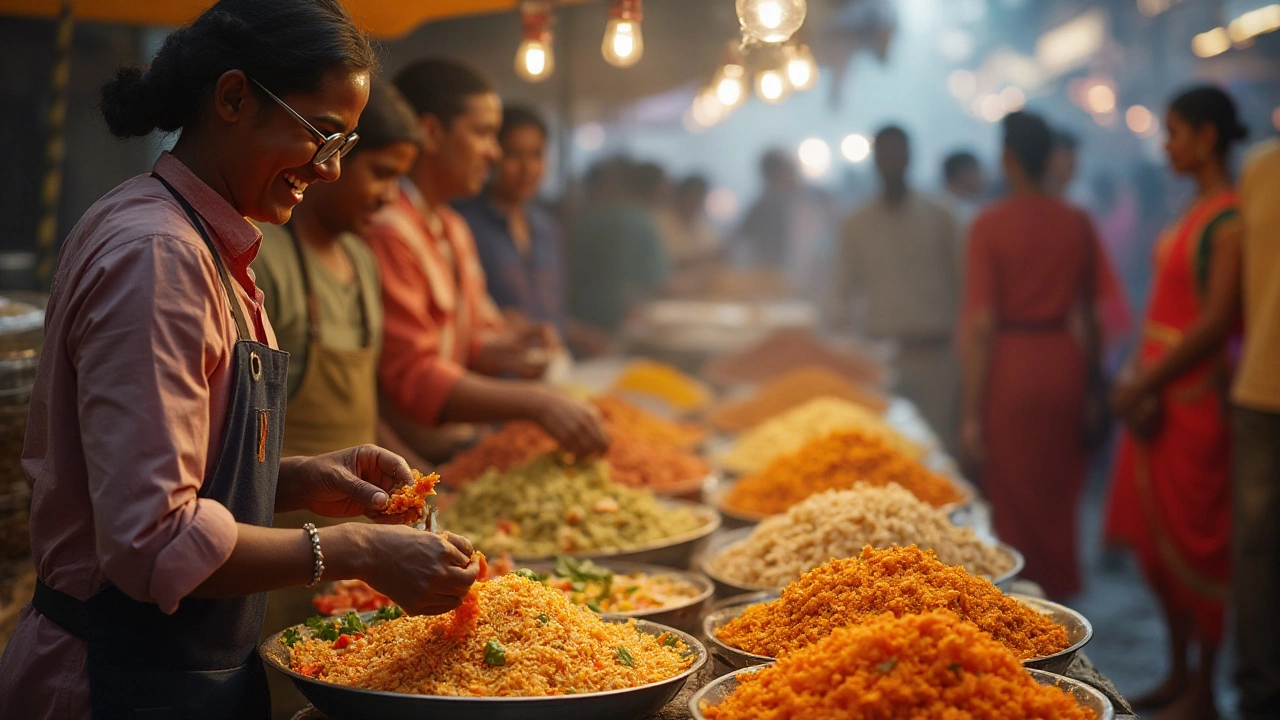
When you think of Indian junk food, cheap, fried, salty, and addictive snacks sold on street corners and packaged in bright wrappers across India. Also known as fast food India, it’s not just a trend—it’s a daily habit for millions. From crispy samosas to masala fries, spicy bhel puri to sugar-coated churros, this category isn’t about nutrition. It’s about instant flavor, low cost, and convenience. And it’s growing fast—India’s packaged snack market hit $12 billion in 2024, with over 60% of urban households buying at least one junk food item weekly.
This isn’t just about street vendors. Big brands like Haldiram’s, Balaji Wafers, and Bingo! dominate shelves with products made from refined flour, palm oil, and artificial flavors. Many of these snacks contain hidden trans fats, high sodium, and added sugars—ingredients that keep you coming back but hurt your health long-term. Even snacks marketed as "traditional" or "homestyle" often use industrial shortcuts: pre-fried dough, chemical preservatives, and flavor enhancers like monosodium glutamate. What’s sold as "authentic" is often a processed version of something once made fresh daily.
Why does it work so well? Because it fits India’s rhythm. People work long hours, live in crowded cities, and need food that’s ready in seconds. A ₹10 packet of chips or a warm vada pav costs less than a home-cooked meal and tastes better than bland leftovers. Kids love it. Office workers grab it. Even families buy it—because it’s easy, loud, and satisfying. But behind the crunch is a system built on low margins, high volume, and weak regulation. Few labels list full ingredients. Fewer still warn about health risks.
There’s a quiet shift happening, though. More people are asking: "What am I really eating?" And brands are starting to respond—with baked instead of fried options, less salt, and cleaner labels. But real change takes time. Until then, knowing what’s in your snack is the first step to making smarter choices.
Below, you’ll find real breakdowns of how these snacks are made, what’s in them, and how to spot the difference between a true treat and a hidden health risk. No fluff. Just facts from people who’ve seen the kitchens, the factories, and the shelves.