Indian Food: The Real Stories Behind the Flavors, Techniques, and Traditions
When you think of Indian food, a diverse, regionally rooted culinary system built on fermentation, slow cooking, and spice balancing. Also known as Hindustani cuisine, it’s not a single dish but thousands of daily practices passed down through generations. It’s not just about chili heat or creamy curries—it’s about knowing when to soak urad dal for exactly 7 hours, why paneer needs a 15-minute water bath before cooking, and how steam sealed under a heavy lid turns rice and meat into biryani magic.
Behind every plate of poha or idli is a system. Paneer, a fresh cheese made by curdling milk with lemon or vinegar isn’t bought—it’s made at home, often daily, because store-bought versions turn rubbery. Biryani, a layered rice dish where spice, meat, and rice cook together in sealed steam doesn’t rely on cream or sauce—it depends on timing, layering, and the right kind of basmati. And dosa batter, a fermented mix of rice and urad dal that rises with wild yeast fails if you rush it, but transforms into crisp, golden perfection if you wait.
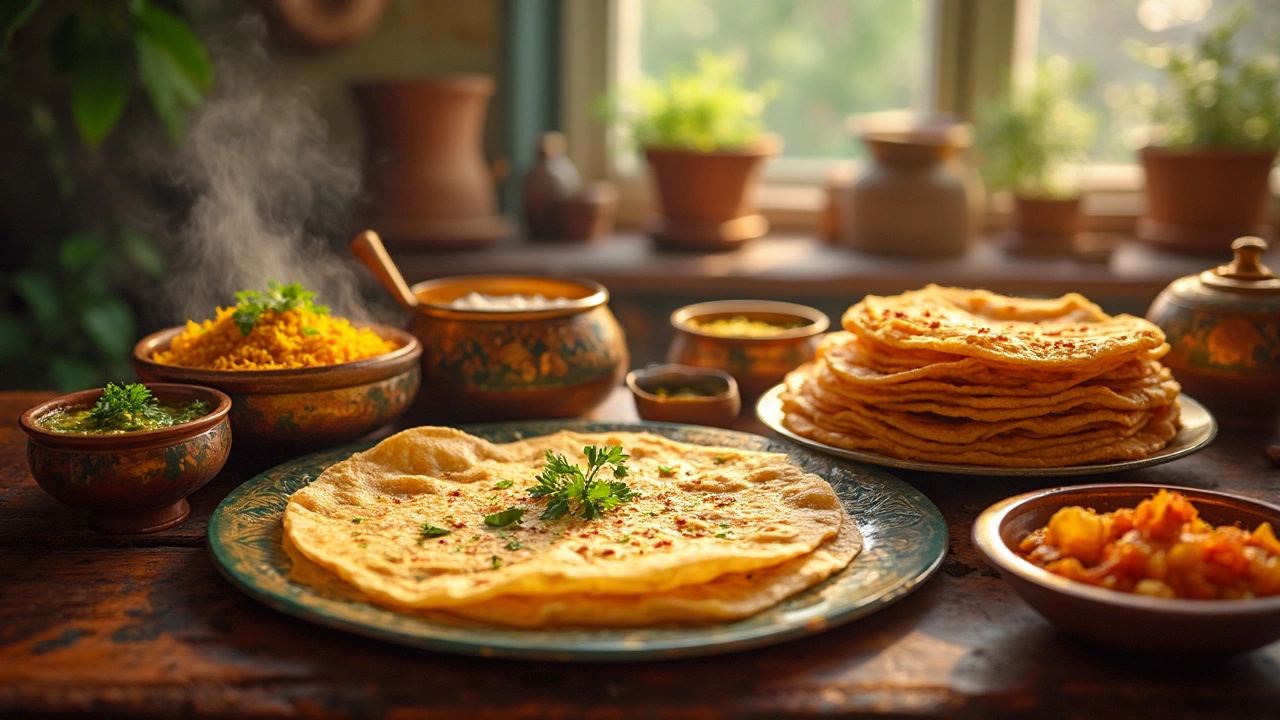
Indian food doesn’t follow trends. It follows cycles—seasonal, daily, and regional. Breakfast isn’t toast and coffee; it’s poha in Maharashtra, idli in Tamil Nadu, or paratha in Punjab—each tied to local grains, climate, and labor rhythms. Restaurants thicken curry not with flour, but by simmering onions and tomatoes for over an hour until they collapse into a rich paste. Even the most basic roti gets its puff from steam, not baking powder. These aren’t recipes—they’re rules learned by doing, not reading.
What you’ll find below isn’t a list of recipes. It’s a look into the real mechanics behind Indian food: the science of fermentation, the physics of cheese-making, the timing of soaking, the heat control in cooking, and the forgotten tricks that separate good from great. Whether you’re trying to make paneer that doesn’t crumble, dosa that crisps up right, or biryani that smells like street food, the answers are here—not as tips, but as truths.