Why Indian Food Tastes Sweet: Ingredients, Techniques, and Regional Secrets
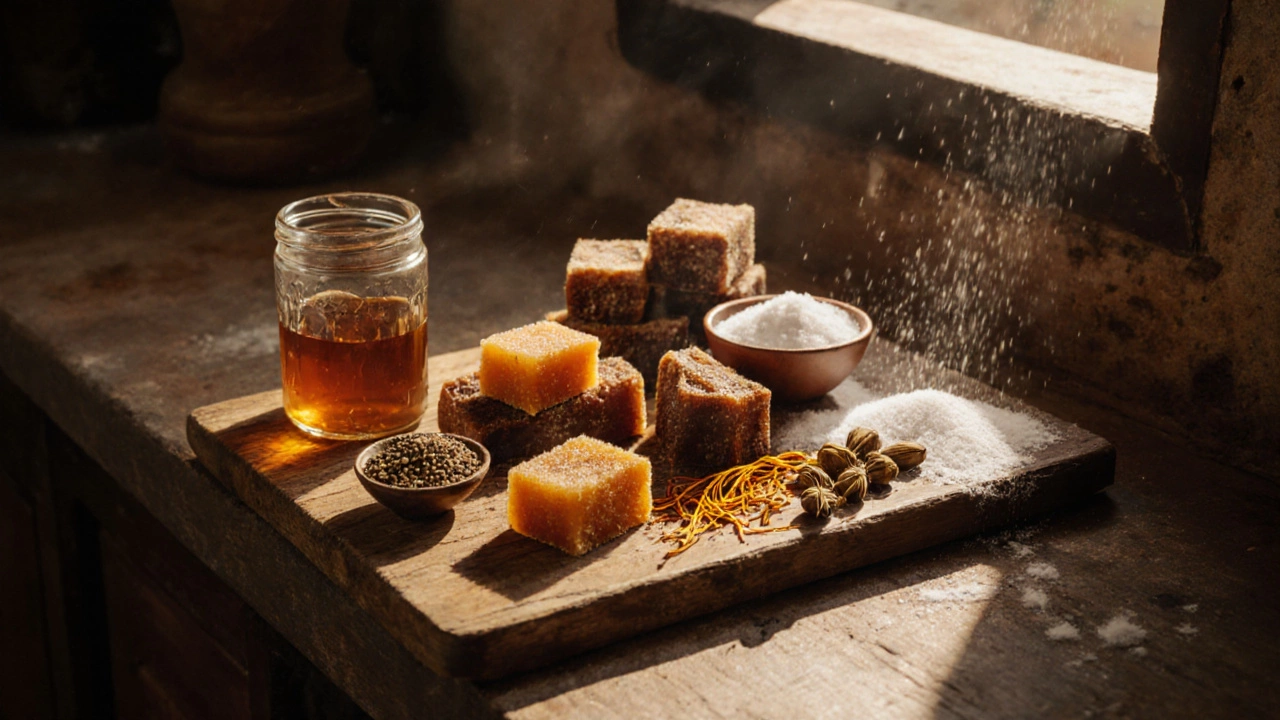
Explore why Indian cuisine tastes sweet, from jaggery and honey to cardamom and saffron, plus cooking tricks and regional twists that shape the signature flavor.
When you think of Indian desserts, sweet, often milk-based treats deeply rooted in regional traditions and daily rituals across India. Also known as mithai, they’re not just eaten on festivals—they’re part of breakfast, weddings, and even casual afternoon snacks. Unlike Western cakes or cookies, most Indian desserts rely on slow-cooked milk, sugar syrup, and spices like cardamom and saffron. They don’t need ovens or fancy tools—just patience, heat, and a good hand.
Take jalebi, a crispy, orange swirl soaked in sugar syrup, sold by street vendors from Delhi to Chennai. It’s made by frying fermented batter and then dunking it in hot syrup—a process that turns simple flour and yogurt into something addictive. Then there’s gulab jamun, soft, fried milk solids soaked in fragrant syrup, often made from khoya, the thickened milk left after hours of simmering. You won’t find baking powder in either. Their texture comes from how milk proteins react to heat and acid, just like when you make paneer, Indian cottage cheese made by curdling milk with lemon juice or vinegar. The same science that gives you soft paneer also gives you melt-in-your-mouth gulab jamun. It’s all about controlling moisture, temperature, and time.
These desserts aren’t just tasty—they’re efficient. They use up leftover milk, extend shelf life with sugar syrup, and require no refrigeration in hot climates. That’s why they’ve lasted for centuries. You’ll find them in homes, temples, and roadside carts alike. And while modern bakeries now offer chocolate-covered versions, the classics still win because they’re simple, reliable, and deeply tied to how people actually cook in India.
What you’ll find below are real, practical guides on how these desserts work—from the exact soaking time for urad dal that affects fermentation in some sweet batters, to why soaking paneer before using it in desserts can change the whole texture. You’ll learn what makes jalebi crisp instead of soggy, how much milk you really need to make a batch of gulab jamun, and why some recipes skip cream entirely. No fluff. Just the facts behind the sweets you love.
Explore why Indian cuisine tastes sweet, from jaggery and honey to cardamom and saffron, plus cooking tricks and regional twists that shape the signature flavor.