Indian Dessert: Sweet Treats, Traditional Recipes, and How They're Made
When you think of Indian dessert, a category of traditional sweets made with milk, sugar, nuts, and spices, often tied to festivals and family rituals. Also known as mithai, it's not just a way to end a meal—it's a ritual passed down through generations. Unlike Western desserts that rely on butter and cream, Indian sweets are built on slow-cooked milk solids, fried dough soaked in syrup, and slow-simmered lentils or rice. These aren’t fancy pastries—they’re handmade, often cooked in small batches, and made with ingredients you can find in any Indian kitchen.
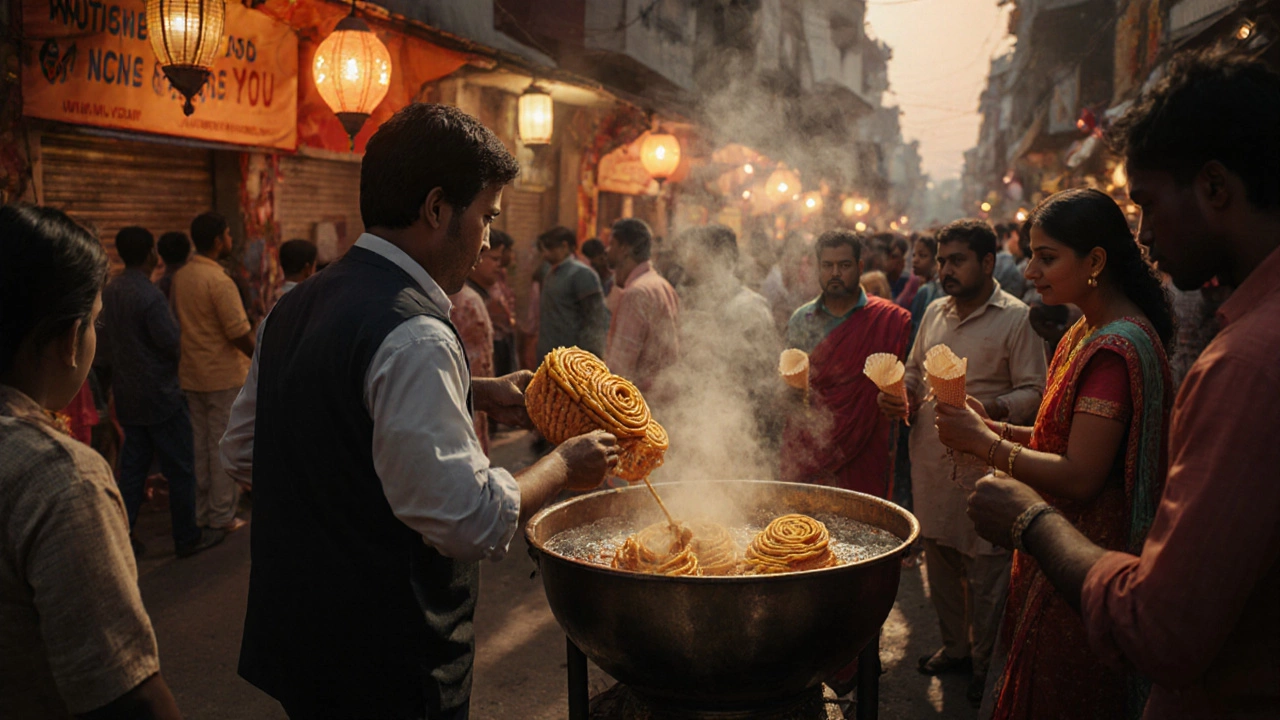
Behind every jalebi, a bright orange, spiral-shaped sweet fried in batter and soaked in sugar syrup is a precise temperature and timing game. Too hot, and it burns; too cool, and it turns greasy. Then there’s gulab jamun, soft, deep-fried milk dumplings soaked in fragrant syrup—made from khoya, which is milk reduced for hours until it thickens into a solid mass. This isn’t magic. It’s patience. And it’s the same process that turns milk into paneer, a fresh Indian cheese used in both savory and sweet dishes. You can’t make good dessert without understanding how to handle milk properly. That’s why so many Indian dessert recipes start with boiling milk, skimming off the cream, and reducing it slowly. It’s the same technique used to make homemade paneer, just with more sugar and less salt.
Then there’s rasgulla, spongy cheese balls cooked in light syrup, originating from Bengal. Its texture comes from how the chhana (curdled milk) is kneaded and shaped. Too much kneading, and it turns rubbery. Too little, and it falls apart. It’s a balance you learn by doing, not reading. And kheer, a creamy rice pudding made with milk, rice, and cardamom, is cooked for hours until the rice breaks down and the milk thickens naturally—no cornstarch, no cream. Just time, heat, and constant stirring.
These desserts aren’t just about taste. They’re tied to Diwali, Eid, weddings, and even daily rituals. A bowl of kheer might be offered to guests. Jalebi is sold by street vendors at dawn. Gulab jamun is the first thing served after a big meal. They’re not snacks. They’re moments.
What you’ll find below are real, practical guides—how to soak urad dal for perfect dosa batter, how to make paneer from scratch, how restaurants thicken curry without cream. These aren’t random posts. They’re all connected to the same truth: Indian food, sweet or savory, is built on technique, not shortcuts. If you want to make authentic Indian dessert, you need to understand the basics—the milk, the heat, the timing. That’s what these posts give you. No fluff. Just what works.