Indian Curry: Secrets Behind the Flavor, Thickness, and Heat
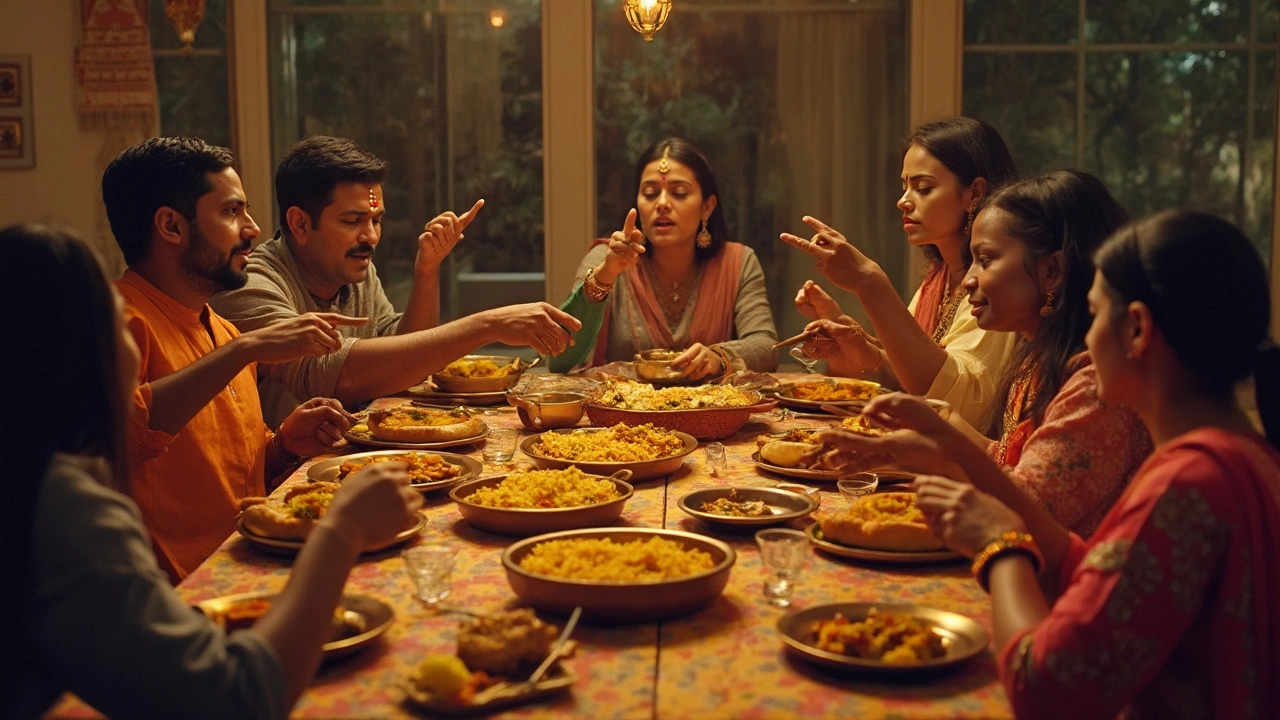
When you think of Indian curry, a rich, spiced stew made with meat, vegetables, or legumes, simmered in a base of onions, tomatoes, and aromatic spices. Also known as curry dish, it’s the backbone of home cooking and restaurant menus across India and beyond. It’s not one recipe—it’s a whole system of layering flavors, controlling heat, and building texture over time. You won’t find a single ‘Indian curry’ in India. Instead, you’ll find dozens—each region, family, and kitchen has its own version, from the creamy coconut-based curries of Kerala to the fiery tomato-onion gravies of Punjab.
The real magic happens in the curry base, the slow-cooked foundation of onions, tomatoes, ginger, garlic, and whole spices that forms the soul of every thick, flavorful curry. Restaurants don’t use cream or flour to thicken their curries—they simmer onions until they melt into a jam, then blend them smooth and cook the mixture down for over an hour. That’s how you get that deep, velvety texture. And when it comes to heat, spicy Indian curry, a category defined by high levels of dried red chilies, green chilies, or powdered spices like Kashmiri chili and black pepper. isn’t about burning your tongue—it’s about balance. The best ones make you sweat, then crave more.
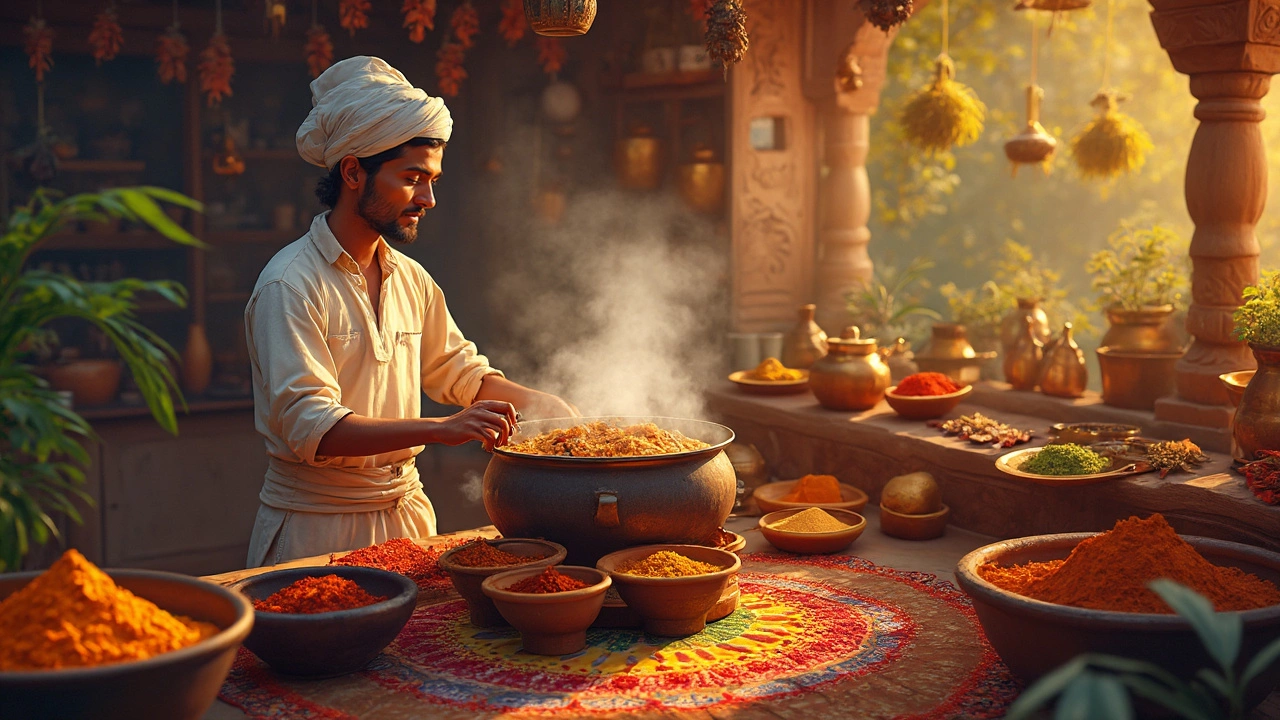
What makes one curry rich and another thin? It’s not just the ingredients—it’s the process. Soaking spices before grinding, toasting them in oil, letting the oil separate from the masala—that’s how you unlock flavor. And if you’ve ever wondered why restaurant curries taste so much deeper than yours, it’s because they don’t rush. They let the tomatoes break down, the onions caramelize, and the spices bloom. There’s no shortcut. You can’t fake it with store-bought paste. You have to build it, step by step.
And then there’s the thickness. You don’t add cornstarch or coconut milk to fix a watery curry—you fix it by cooking longer. The curry thickening, the natural reduction of liquid through slow simmering that concentrates flavor and creates a glossy, clinging sauce. is the mark of real technique. It’s the difference between a soup and a sauce. Between a meal and an experience.
What you’ll find below isn’t just recipes. It’s the breakdown of how Indian kitchens actually work—the tricks, the mistakes, the science behind the spice. From how to make curry thick without cream, to which curries truly outspice chicken tikka, to why some cooks avoid garlic altogether. This isn’t theory. It’s what happens in real kitchens, day after day. You’re not just reading about curry—you’re learning how to cook it right.