Indian Breakfast: Traditional Foods, Recipes, and Morning Rituals
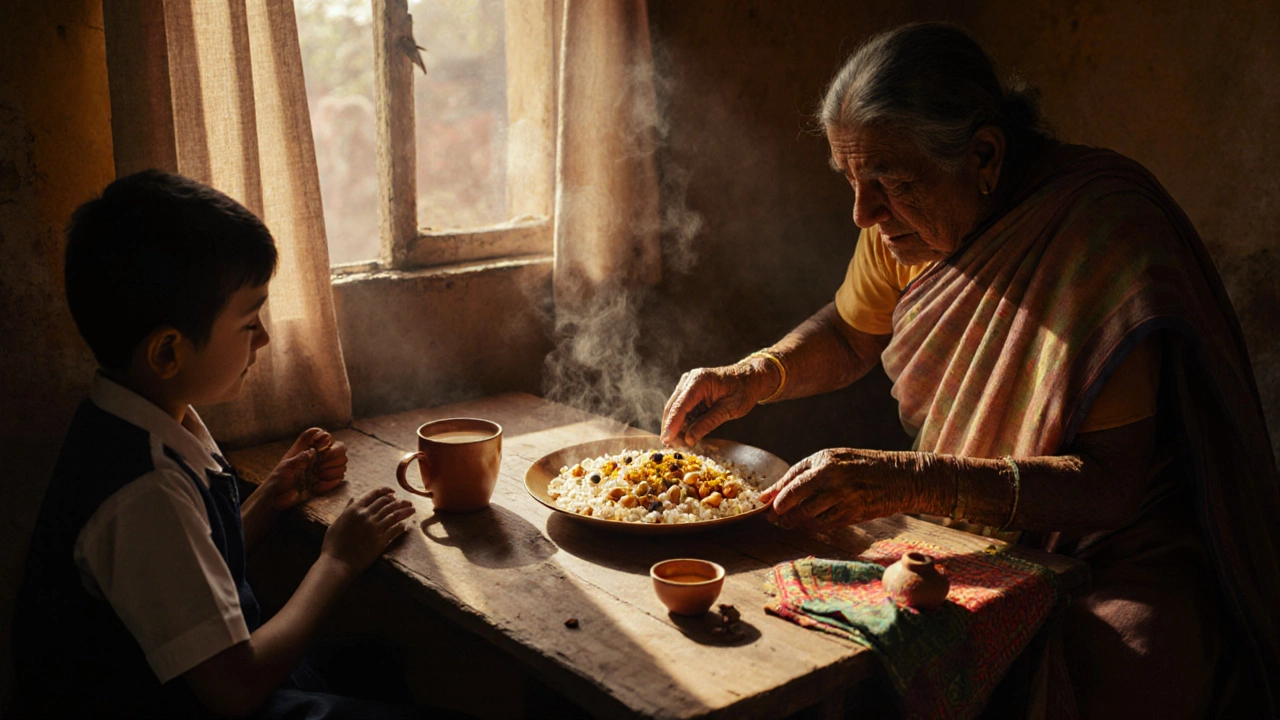
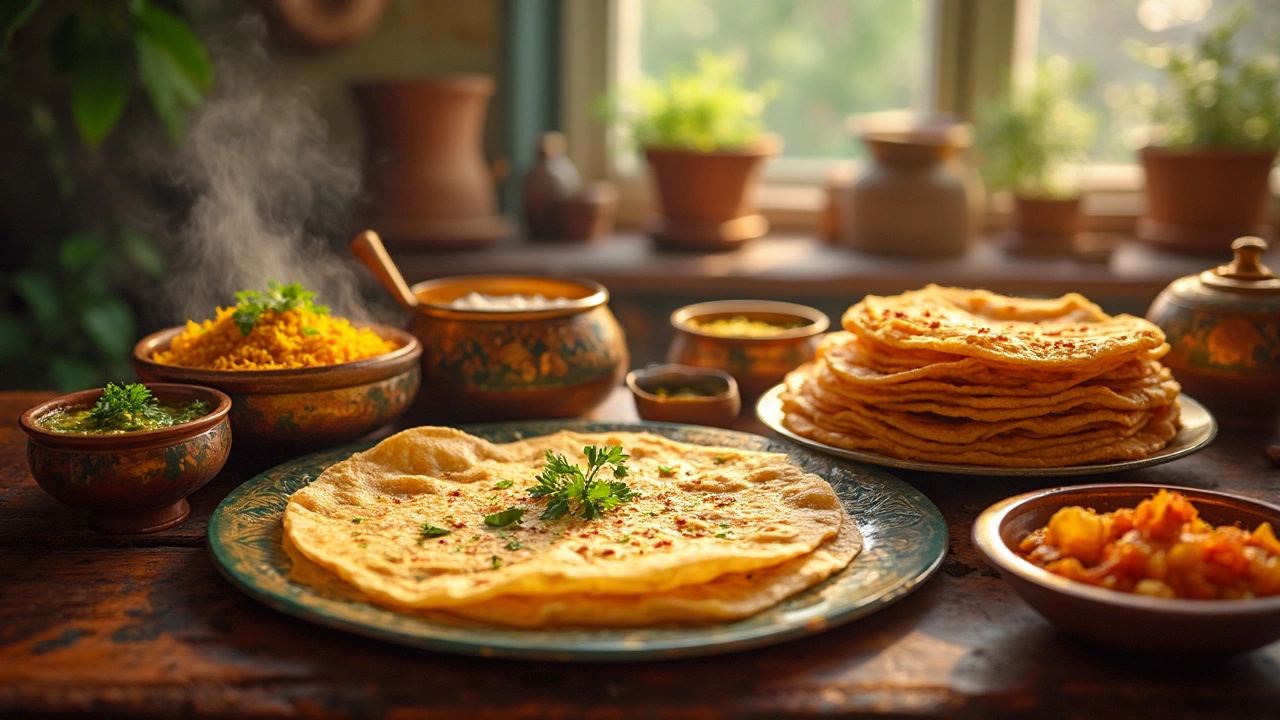
When you think of Indian breakfast, a vibrant, regionally diverse set of morning meals built on fermented batters, fresh cheeses, and spiced lentils. Also known as South Indian breakfast, it’s not just food—it’s a daily ritual rooted in fermentation, timing, and texture. Unlike Western breakfasts that lean on toast or cereal, Indian mornings are about warmth, crunch, and depth. You’ll find steaming idlis beside spicy chutneys, fluffy parathas stuffed with potatoes, or crispy dosas rolled with coconut chutney—all made from ingredients that have been soaked, ground, and left to breathe overnight.
This isn’t random cooking. It’s science you can taste. The urad dal, a black lentil essential for dosa and idli batter needs exactly 6 to 8 hours of soaking—too little and the batter won’t rise, too much and it turns slimy. The paneer, a fresh, unaged cheese made by curdling milk with lemon juice or vinegar you eat in breakfast curries isn’t just bought—it’s often made at home, then soaked in warm water to soften its rubbery texture before cooking. These aren’t tricks. They’re non-negotiable steps passed down through generations because they work.
What ties these foods together isn’t just flavor—it’s process. Fermentation isn’t optional in South Indian breakfasts; it’s the engine. It breaks down starches, boosts nutrition, and gives dosas their airy crispness. Slow-cooked onion-tomato bases turn simple dals into rich gravies. Even the way you serve it matters—hot oil tempered with mustard seeds and curry leaves poured over steaming idlis isn’t garnish, it’s flavor activation. You don’t just eat Indian breakfast; you experience the rhythm of preparation, timing, and patience.
And it’s not just about the south. In Punjab, you’ll find buttery parathas with pickled mango. In Maharashtra, poha with peanuts and curry leaves. In Bengal, luchi with alur dom. Each region has its own signature, but they all share one thing: no two mornings are the same because no two households make it exactly alike. That’s why you’ll find guides on soaking urad dal, making paneer from scratch, and why roti doesn’t need baking powder—all part of the same conversation about what makes Indian breakfasts work, taste right, and stay meaningful.
Below, you’ll find real, tested methods for getting the texture right, the timing perfect, and the flavor authentic. Whether you’re trying to make your first dosa batter or wondering why your paneer always turns hard, the answers are here—not as theory, but as what actually happens in kitchens across India.