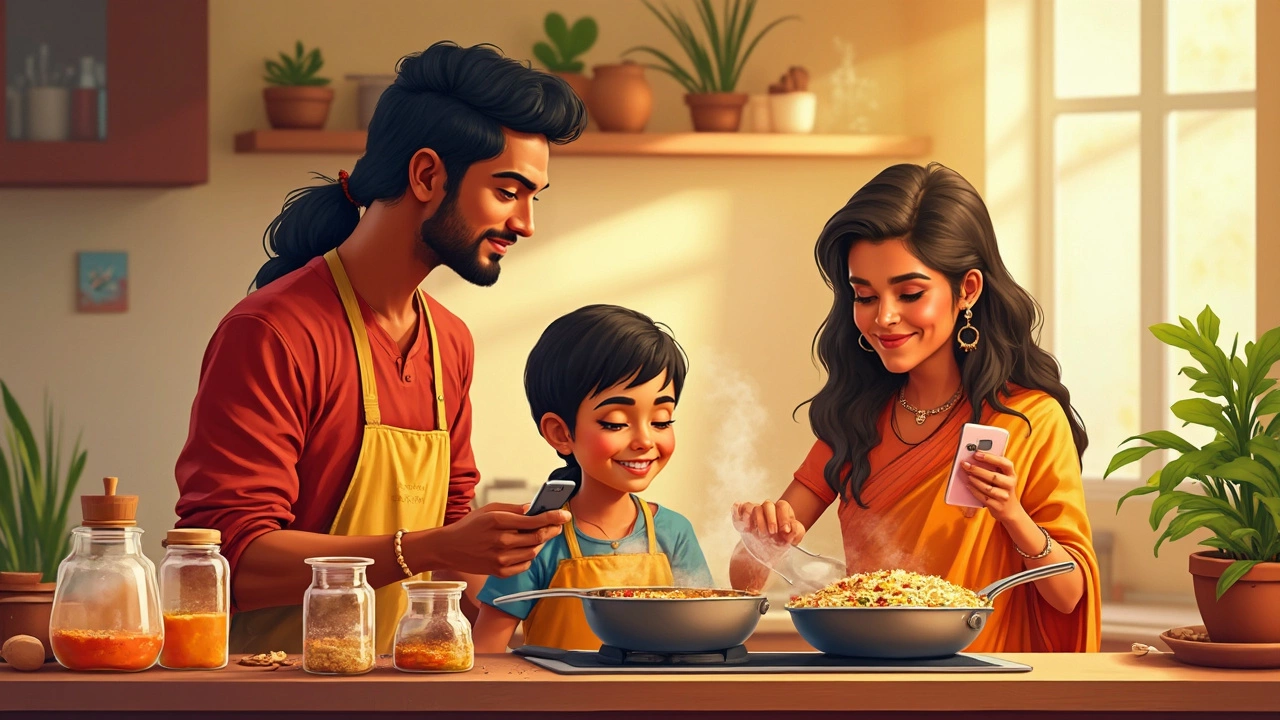
Home Cooking in India: Simple Recipes, Real Techniques, and Everyday Food Wisdom
When you think of home cooking, the everyday act of preparing food in a personal kitchen using fresh, local ingredients. Also known as family cooking, it’s the backbone of Indian food culture—where recipes aren’t written down, they’re passed through touch, smell, and time. This isn’t about fancy gadgets or imported spices. It’s about knowing how long to soak urad dal, why you should soak paneer before frying, and how steam makes roti puff without baking powder. Home cooking in India doesn’t follow trends. It follows rhythm.
Behind every perfect dosa batter is a 6-hour soak. Every soft paneer starts with milk and lemon juice, not store-bought blocks. The thick curry in your favorite restaurant? It’s not cream or flour—it’s slow-cooked onions and tomatoes, simmered for hours. These aren’t secrets. They’re habits. And they’re all part of Indian cooking, a system of techniques refined over generations to make the most of limited resources and maximum flavor. You don’t need a degree in food engineering to get it right. You just need to understand unit operations, the basic physical steps like soaking, heating, mixing, and fermenting that turn raw ingredients into food. These same steps are used in factories—and in your kitchen. The difference? In your home, you taste as you go.
Home cooking in India also means breakfast isn’t an afterthought—it’s a ritual. Poha, idli, paratha—each one carries a story, a season, a family rule. And when you make paneer from scratch, you’re not just saving money. You’re controlling texture, freshness, and even the milk source. That’s power. That’s real food. This collection isn’t about perfection. It’s about what works. Whether you’re fixing rubbery paneer, figuring out why your dosa won’t crisp, or wondering if garlic is really missing from your curry, you’ll find answers here. No fluff. No trends. Just the steps, the why, and the small tricks that make Indian home cooking work—day after day.