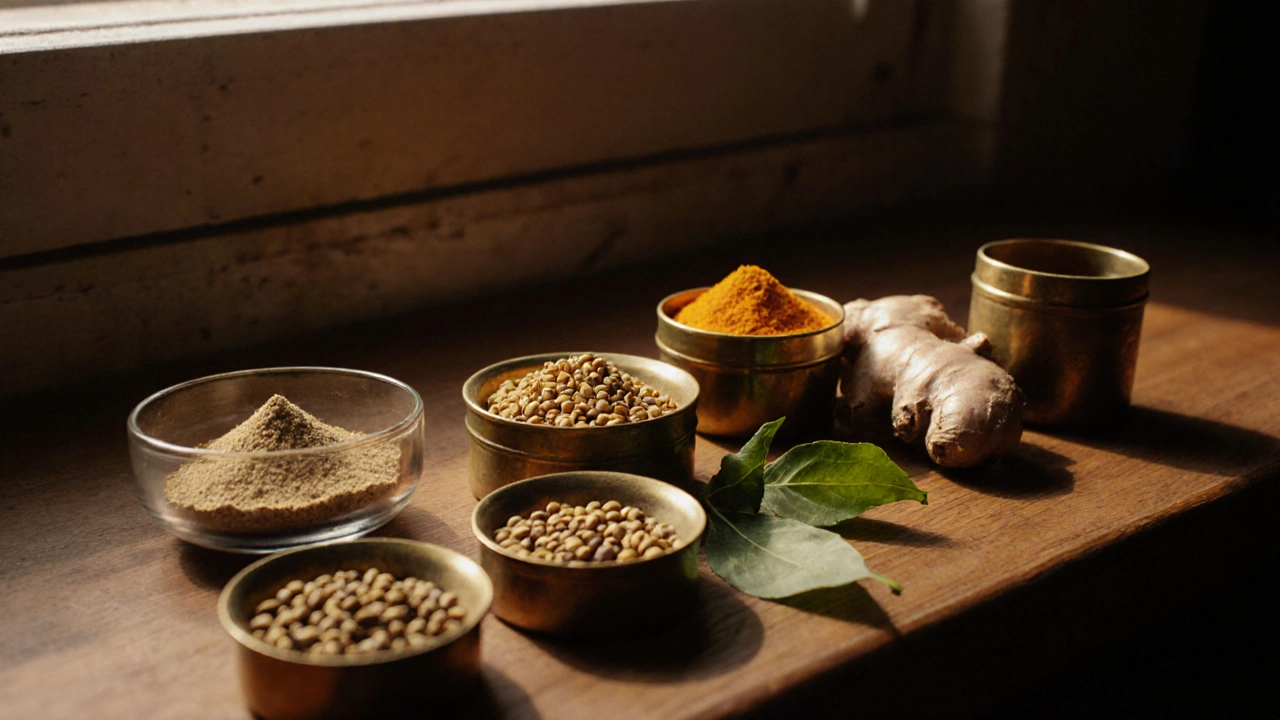
Ginger in Indian Food Manufacturing: Uses, Benefits, and How It's Processed
When you think of ginger, a pungent, aromatic rhizome widely used in Indian cuisine and food processing. Also known as adrak, it's not just a flavor booster—it's a key ingredient in everything from spice blends to functional food products. In India’s food manufacturing sector, ginger isn’t treated like a garnish. It’s a raw material, a preservative, and a health ingredient rolled into one.
Food factories across Tamil Nadu, Maharashtra, and Uttar Pradesh process tons of ginger every year. They turn it into powdered ginger for curry bases, ginger paste for ready-to-cook meals, and concentrated ginger extract for beverages and health tonics. You’ll find it in bottled chutneys, packaged masalas, and even fortified snacks. The demand isn’t just from home cooks—it’s from large-scale manufacturers who need consistent flavor, natural preservation, and consumer trust in clean-label ingredients. Ginger’s natural antimicrobial properties make it a favorite for replacing synthetic preservatives, especially in pickles and sauces.
What’s interesting is how ginger fits into broader food trends. With rising interest in gut health and anti-inflammatory foods, Indian manufacturers are now adding ginger to functional foods like protein bars, yogurt drinks, and immune-boosting powders. It’s also a staple in Ayurvedic-inspired products, where it’s paired with turmeric, black pepper, and honey. The processing is simple but precise: washing, peeling, grating, drying, and milling—each step affects flavor and shelf life. Poorly dried ginger turns bitter; over-milled powder loses its punch. That’s why top manufacturers control temperature, humidity, and particle size like they’re making precision instruments.
You won’t find ginger in every post below, but you’ll see its fingerprints everywhere. From how restaurants thicken curries using ginger-garlic paste to why soaking paneer works better with a splash of ginger-infused water, it’s the quiet hero of Indian food prep. The posts here cover the real-world applications: how it’s used in traditional recipes, how factories scale it up, and why it’s one of the few spices that stays relevant whether you’re making dosa batter or a bottled health drink.