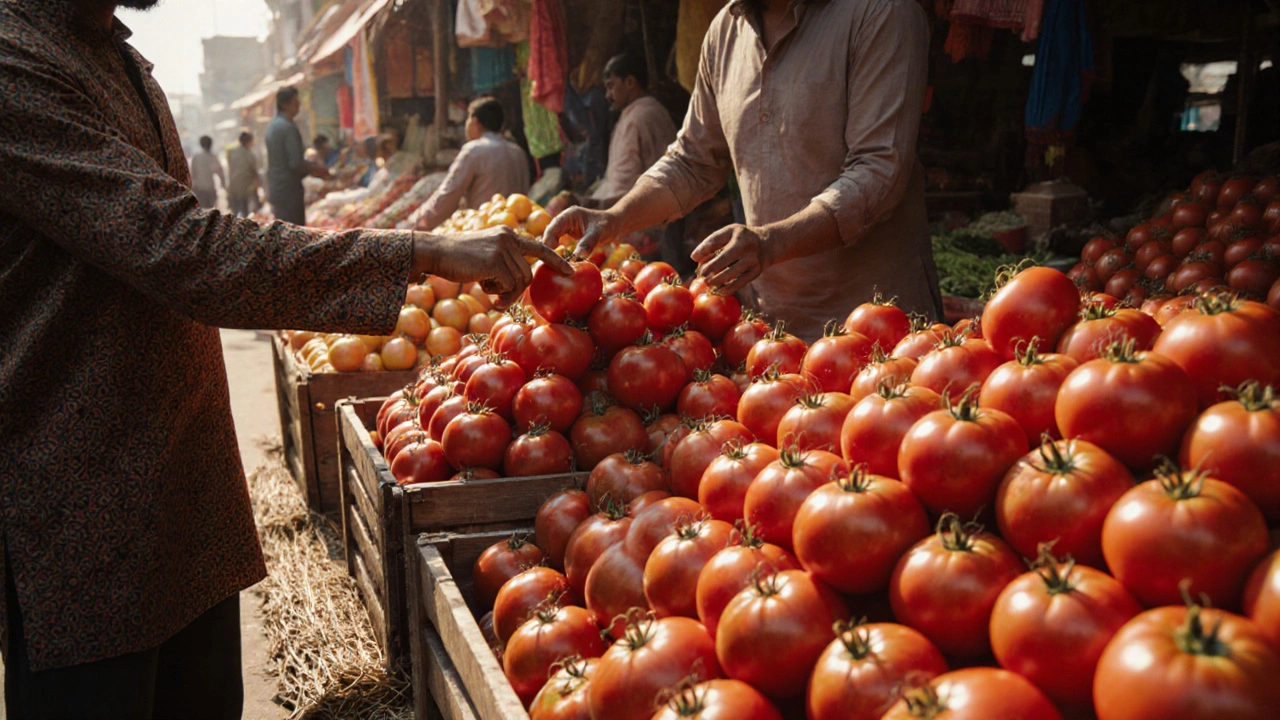
Are Tomatoes Safe to Eat in India? Expert Guide to Healthier Choices
Find out if tomatoes are safe in India, learn about pesticide limits, heavy metal risks, and practical tips to choose and clean them safely.
When you buy tomato paste, ketchup, or canned tomatoes in India, you’re trusting that they meet FSSAI tomato limits, the food safety standards set by India’s Food Safety and Standards Authority of India to control additives, contaminants, and processing methods in tomato-based products. Also known as FSSAI food safety norms, these rules ensure your food isn’t just tasty—it’s safe to eat every day. This isn’t about fancy labeling or marketing claims. It’s about real numbers: how much lead or pesticide residue is allowed, how much citric acid you can add to preserve color, and whether artificial colors like Red 40 are banned in tomato products.
FSSAI tomato limits tie directly to how tomatoes are processed across India—from small village units making sun-dried tomato powder to big factories churning out ready-to-use paste. These standards don’t just protect your health; they shape what manufacturers can sell. For example, FSSAI bans the use of synthetic dyes in tomato products, so any bright red paste you see must get its color naturally from lycopene. If a brand adds too much sodium benzoate to extend shelf life, it’s breaking the law. And if a tomato sauce claims to be 100% pure but contains corn syrup or starch, FSSAI has testing protocols to catch it.
These rules also affect how restaurants and home cooks choose ingredients. If you’re making curry or chutney with store-bought tomato paste, knowing FSSAI limits helps you spot low-quality products—ones that might be diluted with water or thickened with cheap fillers. The same applies to packaged tomato puree used in biryani or pasta sauces. FSSAI requires clear labeling of additives, so you can check the ingredients list yourself. It’s not about fear—it’s about awareness. And when you understand what’s allowed, you can make smarter choices, whether you’re running a small food business or feeding your family.
Behind every tomato product that meets FSSAI limits is a chain of checks: raw tomato quality, washing procedures, pasteurization temps, and final batch testing. The authority doesn’t just set limits—it enforces them through random inspections and lab tests. You won’t see these tests on the label, but you benefit from them every time you open a jar. And if you’re thinking about starting a tomato-based food business, these limits are your blueprint. Know them, follow them, and you won’t just stay legal—you’ll build trust.
Below, you’ll find real guides and practical tips from people who work with tomatoes every day—from how to test paste consistency at home to why some brands taste better than others. These aren’t marketing posts. They’re grounded in the same standards that FSSAI enforces. Whether you’re a home cook, a small producer, or just someone who hates fake-tasting ketchup, this collection gives you the facts you need to cut through the noise.
Find out if tomatoes are safe in India, learn about pesticide limits, heavy metal risks, and practical tips to choose and clean them safely.