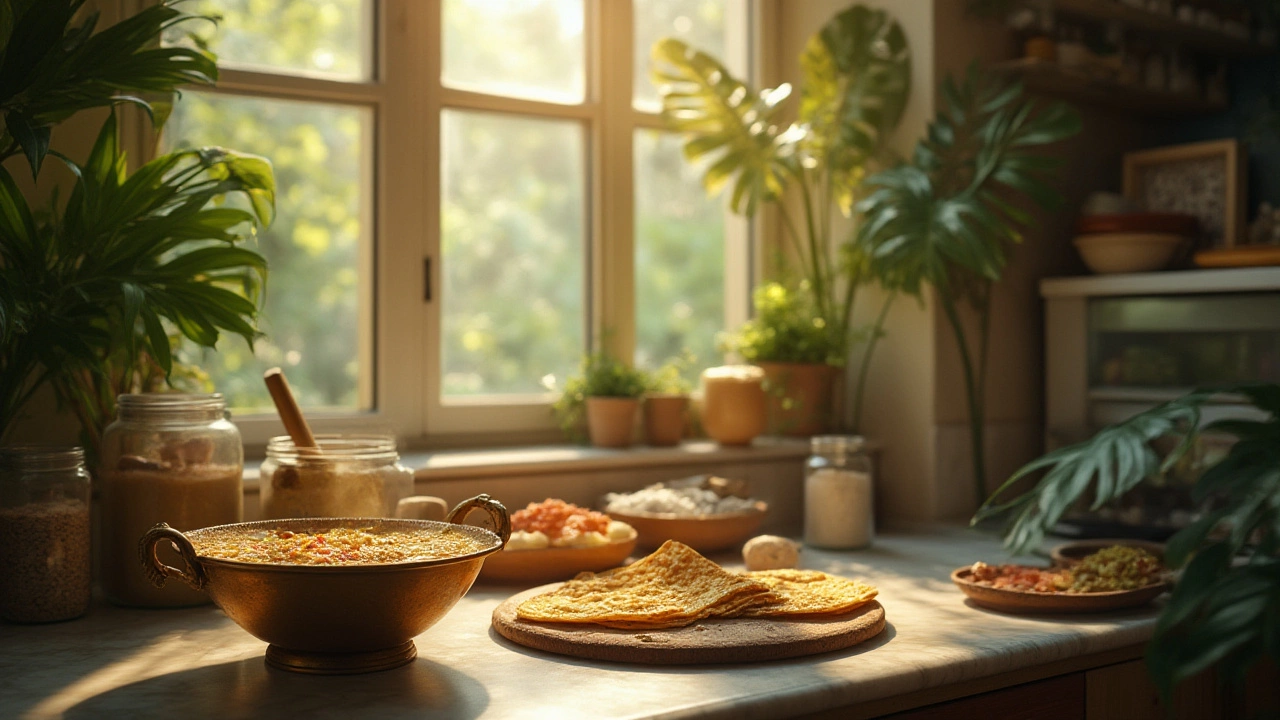
How Long Does Homemade Dosa Batter Last in the Fridge: Freshness, Spoilage, and Storage Tips
Unsure how long homemade dosa batter lasts? Discover fridge shelf life, easy spoilage signs, smart storage tricks, and what makes batter turn bad.
When it comes to fridge storage, the way you organize your refrigerator directly affects how long your food stays safe, tasty, and free from spoilage. Also known as cold storage, it’s not just about turning the knob to the coldest setting—it’s about knowing what goes where, why, and how Indian kitchens handle it differently. In homes across India, fridge storage isn’t a luxury; it’s a daily necessity. From freshly made paneer to leftover biryani, from soaked urad dal to chopped onions, every item has its place—and putting it in the wrong spot can ruin it fast.
Many people think fridge storage means stuffing everything inside and hoping for the best. But that’s not how it works. perishable foods, like dairy, cooked curries, and fresh vegetables, high-moisture items need proper airflow and temperature zones. The crisper drawer? That’s for veggies—keeping humidity high so they don’t wilt. The door shelves? Too warm for milk or yogurt, but perfect for pickles and sauces that can handle slight temperature swings. And don’t put hot food straight in—let it cool first. Adding heat inside raises the overall temperature, forcing the fridge to work harder and risking spoilage for everything else.
Indian kitchens have their own rules. Leftover rice? Store it in an airtight container, not loose. Paneer? Soak it in cold water to keep it soft—don’t just toss it dry into the fridge. Dosa batter? Keep it covered but not sealed tight; fermentation needs a little air. Even something as simple as garlic or ginger benefits from being stored in the fridge’s vegetable drawer, wrapped in paper towels to absorb moisture. These aren’t fancy tricks—they’re habits passed down through generations, tested by real kitchens where food waste costs money and health.
There’s also a big difference between fridge storage and long-term preservation. Freezing is different. You can freeze dosa batter, cooked dal, even curry bases—but not everything. Cream-based gravies split. Fried snacks get soggy. Fresh herbs lose their bite. Knowing what freezes well and what doesn’t saves you from wasted effort and spoiled meals. And while some people rely on the fridge to fix old food, it won’t bring back spoiled spices or moldy onions. Fridge storage isn’t magic—it’s smart habits.
What you’ll find below are real, tested tips from Indian homes and food manufacturers. How long can you keep homemade paneer? Should you wash spinach before storing? Can you refrigerate tamarind paste? Why does your yogurt sometimes get watery? These aren’t theoretical questions—they’re daily problems solved by people who cook every day. The posts here cut through the noise. No fluff. Just what works.
Unsure how long homemade dosa batter lasts? Discover fridge shelf life, easy spoilage signs, smart storage tricks, and what makes batter turn bad.