Top Foods to Avoid in India for Safe Travel
Learn which Indian foods and drinks pose health risks for travelers and how to enjoy safe meals with practical tips, checklists, and a quick risk table.
When it comes to foods to avoid in India, commonly consumed items that pose health risks due to poor processing, excessive additives, or unsafe preparation methods. Also known as unhealthy Indian foods, these choices are often tied to tradition, convenience, or cost—but not to well-being. Many of these foods aren’t exotic or rare. They’re the snacks you grab on the way to work, the sweets served at family gatherings, and the ready-to-eat meals sold outside train stations. The problem isn’t that they’re illegal or banned. It’s that they’re quietly damaging your health over time.
One of the biggest culprits is processed foods in India, packaged snacks, instant noodles, and flavored powders loaded with hidden salt, sugar, and artificial preservatives. These products are everywhere, marketed as quick, cheap, and tasty. But studies show that daily consumption of these items increases the risk of high blood pressure, diabetes, and fatty liver—even in young adults. Then there’s sugar in Indian diet, the massive amounts hidden in chai, lassi, desserts, and even savory snacks like chivda. The average Indian consumes nearly double the WHO-recommended daily sugar limit, and most don’t even realize it.
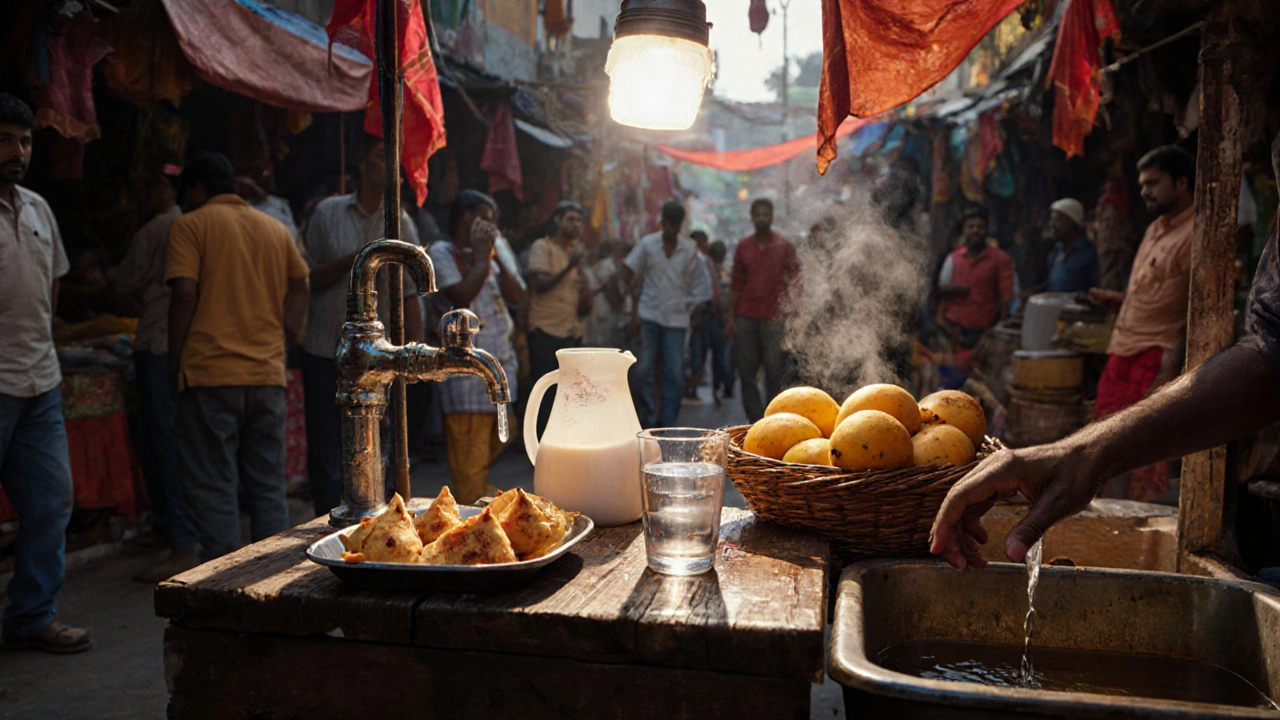
Street food isn’t all bad, but some vendors reuse oil dozens of times. That fried samosa or pakora you love? It might be cooked in oil that’s been heated past its smoke point, creating harmful compounds. And let’s not forget the food coloring used in sweets like gulab jamun or barfi—some are industrial dyes not meant for human consumption. Even milk isn’t always safe. In rural and urban areas alike, milk is sometimes diluted with water and laced with urea or detergent to increase volume and fake creaminess. These aren’t rumors. They’re documented cases from food safety inspections across states like Uttar Pradesh, Maharashtra, and Tamil Nadu.
What makes this worse is that people think these foods are "normal" because everyone eats them. But normal doesn’t mean safe. If you’re trying to feel better, lose weight, or just avoid chronic illness, cutting out these foods isn’t about being extreme—it’s about being smart. You don’t need to give up Indian food. You just need to know which versions to skip and which ones to choose.
Below, you’ll find real, practical advice from people who’ve tested these foods, tracked their effects, and learned what works. From how to spot fake paneer to why that "healthy" fruit juice is worse than soda, these posts give you the facts—not the fluff. You’ll learn what to look for at the market, what to ask the vendor, and what to swap in your kitchen. No guesswork. No myths. Just what you need to eat better, starting today.
Learn which Indian foods and drinks pose health risks for travelers and how to enjoy safe meals with practical tips, checklists, and a quick risk table.