Fermentation in Indian Food Manufacturing: How It Shapes Flavor, Safety, and Tradition
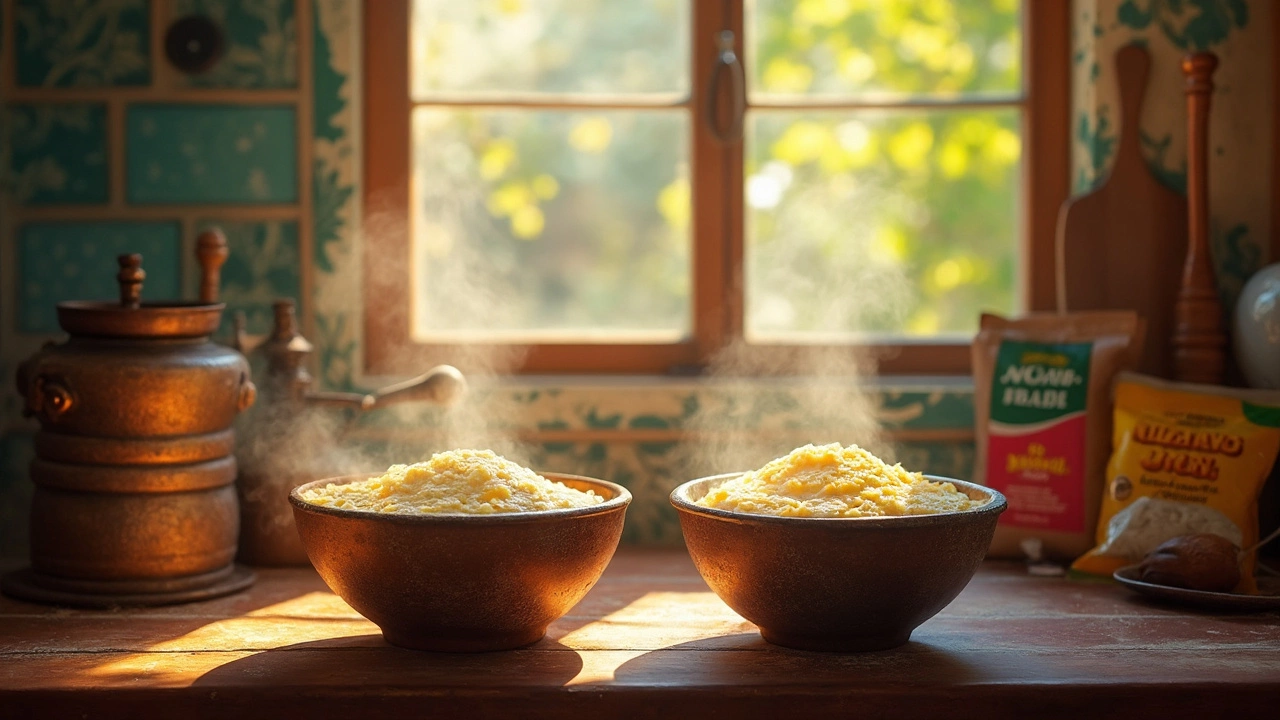
When you bite into a fluffy dosa or sip tangy curd, you're tasting the work of fermentation, a natural process where microbes break down sugars to produce acids, gases, or alcohol, enhancing flavor, safety, and shelf life. Also known as biochemical transformation, it’s one of the oldest food technologies still running in every Indian home and factory today. This isn’t magic—it’s biology. Bacteria and yeast eat sugars in batter or milk, release lactic acid, and change the texture, taste, and nutritional value of the food. No preservatives needed. No fancy machines. Just time, warmth, and the right microbes.
Fermentation doesn’t just make food taste better—it makes it safer. In places where refrigeration is unreliable, fermentation acts as nature’s preservative. The acid produced kills harmful bacteria, while the process itself boosts vitamins and makes nutrients easier to absorb. That’s why fermented foods like idli batter, kanji, and fermented rice water are staples in Indian households. You’ll find dosa batter, a mix of urad dal and rice soaked and left to ferment overnight in nearly every South Indian kitchen. The right fermentation time—6 to 8 hours—isn’t a suggestion; it’s a rule. Too short, and the batter won’t rise. Too long, and it turns slimy. The same logic applies to paneer, a fresh cheese made by curdling milk with acid, often using lemon juice or vinegar. While paneer itself isn’t fermented, the milk used to make it often comes from cultures that naturally ferment, influencing the final texture and flavor.
Fermentation connects directly to how Indian food is made at scale. Factories that produce ready-to-cook batter, yogurt, pickles, and even fermented soy products rely on controlled environments to ensure consistency. Temperature, humidity, and time are tracked like precision instruments. This isn’t just tradition—it’s food manufacturing. And it’s happening right now in small plants across Tamil Nadu, Karnataka, and Uttar Pradesh. You won’t see robots here. You’ll see large vats of batter resting under cloth, waiting for the right bubble to form. That’s fermentation doing its job.
What’s interesting is how few people realize how much of Indian food depends on this invisible process. From the sourness in sambar to the crispness in vada, fermentation is the hidden hand. It’s why restaurant idlis taste different from home-made ones—control over time and microbes makes all the difference. And when you learn to manage it, you’re not just cooking. You’re working with nature to make food that lasts longer, tastes better, and does more for your body.