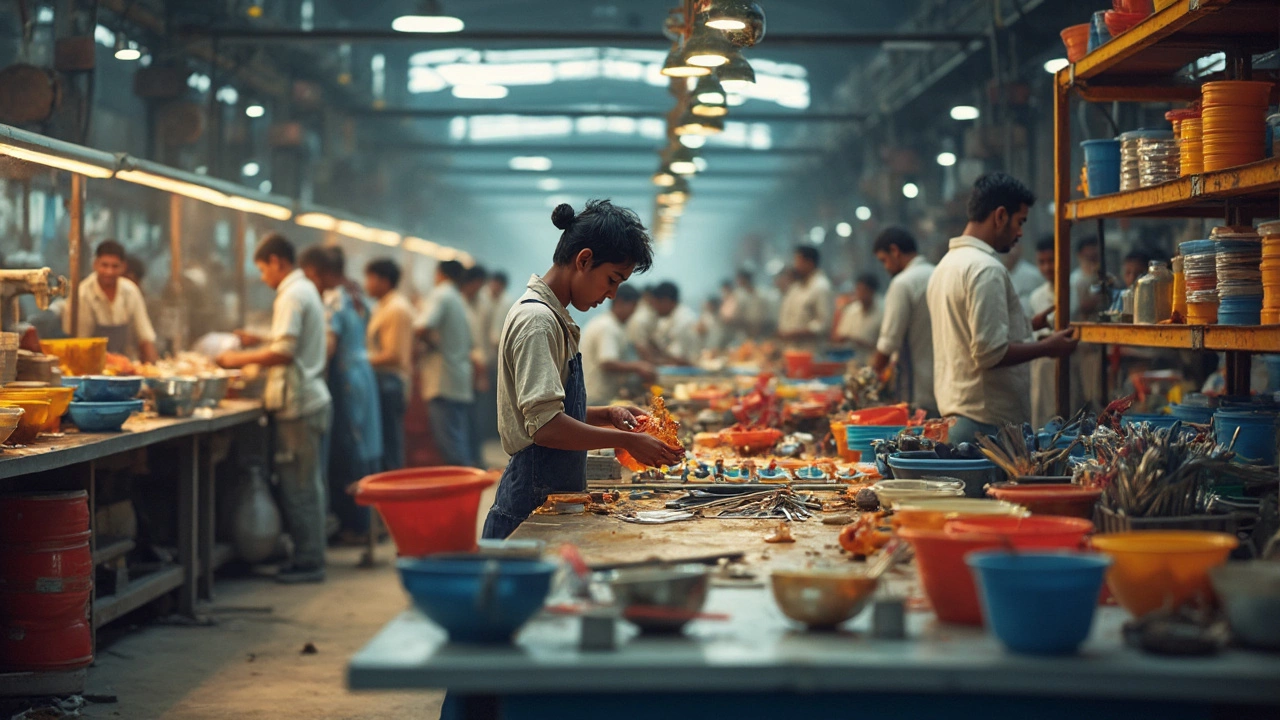
Easiest Thing to Sell: High-Demand Food Products You Can Start Making Today
When you ask what the easiest thing to sell is, most people think of gadgets or apps. But in India, the real winner is food—specifically, simple, daily-use items made at home with minimal equipment. Think homemade paneer, a fresh Indian cheese made from milk and lemon juice, requiring no aging or special tools. It’s bought by families every week, used in curries, tikkas, and snacks, and has a shelf life of just a few days—meaning repeat buyers are guaranteed. You don’t need a factory. You don’t need a brand. You just need milk, a pot, and a strainer.
Then there’s jalebi, a crispy, syrup-soaked sweet sold on street corners from Mumbai to Patna. It’s not just a festival treat—it’s a daily snack. Millions buy it fresh every morning. The ingredients? Flour, sugar, oil, and food coloring. The equipment? A funnel and a deep fryer. No refrigeration. No packaging machines. No complex supply chain. This is the kind of product that moves fast, costs little to make, and turns a profit on every piece. And it’s not just sweets. urad dal batter, used to make dosa and idli, is another high-turnover item. People don’t buy it once a month—they buy it every other day. If you make it fresh, sell it locally, and keep it simple, you’re already ahead of 90% of food businesses.
What ties these together? They’re all things people eat every single day. They’re not fancy. They’re not trendy. They’re essential. That’s why they sell. You won’t find a single person in India who says, "I don’t need paneer" or "I don’t eat jalebi." They’re part of the rhythm of life. And that rhythm is your market. The easiest thing to sell isn’t the most innovative. It’s the most consistent. The most repeatable. The most needed. Below, you’ll find real guides on how to make these products better, cheaper, and faster—from perfecting paneer texture to getting the right soak time for urad dal. No theory. No fluff. Just what works in Indian kitchens and markets today.